Author: subhania474@gmail.com

  • Top Cloud Hosting Providers for Businesses in the USA (2025 Edition)

    In 2025, cloud-hosting is no longer a fringe option for businesses—it’s the backbone of almost every digital operation. Whether you’re a startup launching your first app or an enterprise migrating legacy systems, choosing the right cloud hosting provider matters more than ever. With rising demands for scalability, AI workloads, global reach, reliability, and cost-efficiency, U.S. businesses require cloud partners that deliver on all fronts.

    This article explores the leading cloud-hosting providers in the USA in 2025, highlights their strengths, and offers guidance on how to evaluate your choice.


    What Makes a Great Cloud Hosting Provider in 2025?

    Before diving into specific vendors, here are key criteria that businesses should use to assess cloud-hosting services:

    • Scalability & Flexibility: The ability to scale compute, storage, network up or down instantly.
    • Global / U.S. Infrastructure: Multiple regions, Availability Zones (AZs) in the USA, low latency, disaster recovery options.
    • Security & Compliance: Certifications (HIPAA, PCI DSS, SOC 2), encryption at rest/in transit, identity & access management.
    • Cost Transparency & Efficiency: Pay-as-you-go, reserved/spot pricing options, tools to monitor cost, avoid surprises.
    • Ecosystem & Services: Marketplace, managed services, AI/ML support, serverless, container orchestration.
    • Reliability & Uptime: High SLAs (99.9%+), strong track record of availability, effective support.
    • Ease of Use & Integration: Developer tools, API access, hybrid cloud support, seamless migration.

    Given those criteria, let’s look at the top cloud-hosting providers U.S. businesses are relying on in 2025.


    Top Cloud Hosting Providers

    1. Amazon Web Services (AWS)

    Image
    Image
    Image
    Image
    Image
    Image

    Why it stands out:
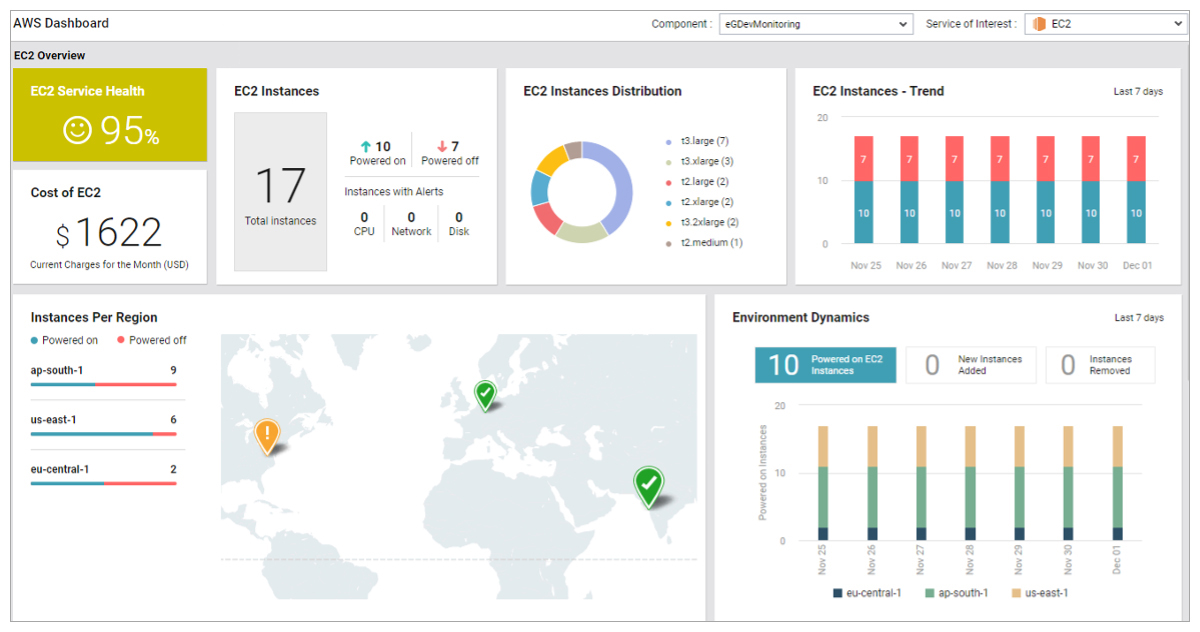
    AWS remains the dominant name in cloud hosting. It offers the most extensive service catalog, global infrastructure, and maturity in cloud operations. According to one comparative list, AWS occupies the top-spot among providers for 2025. (DoroApp)
    What it offers U.S. businesses:

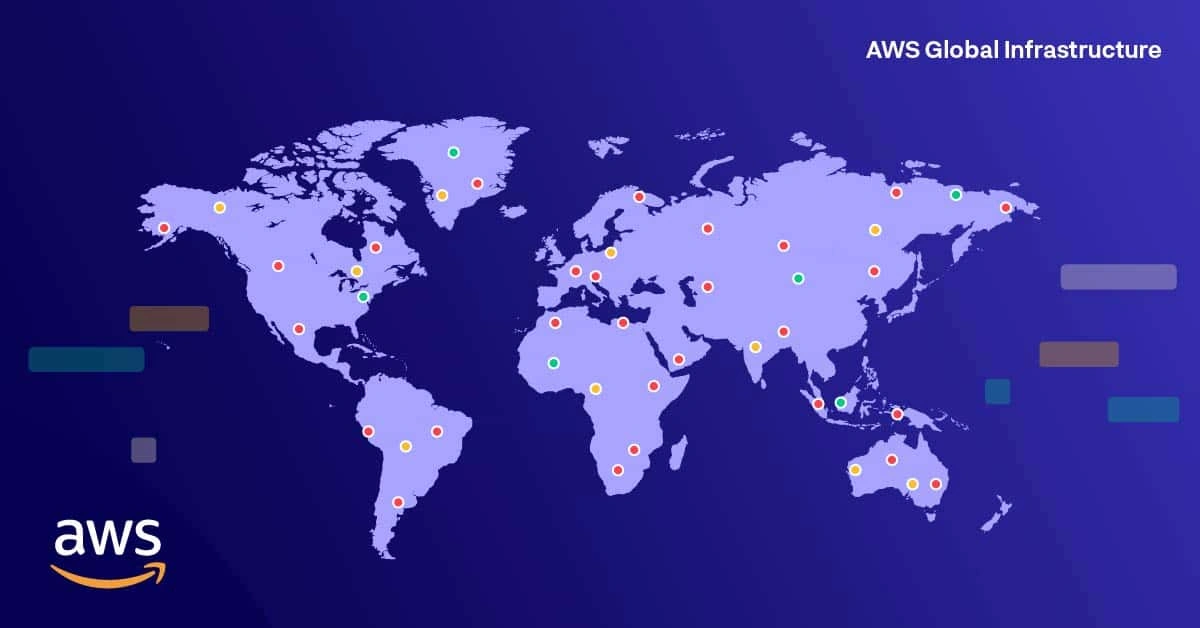
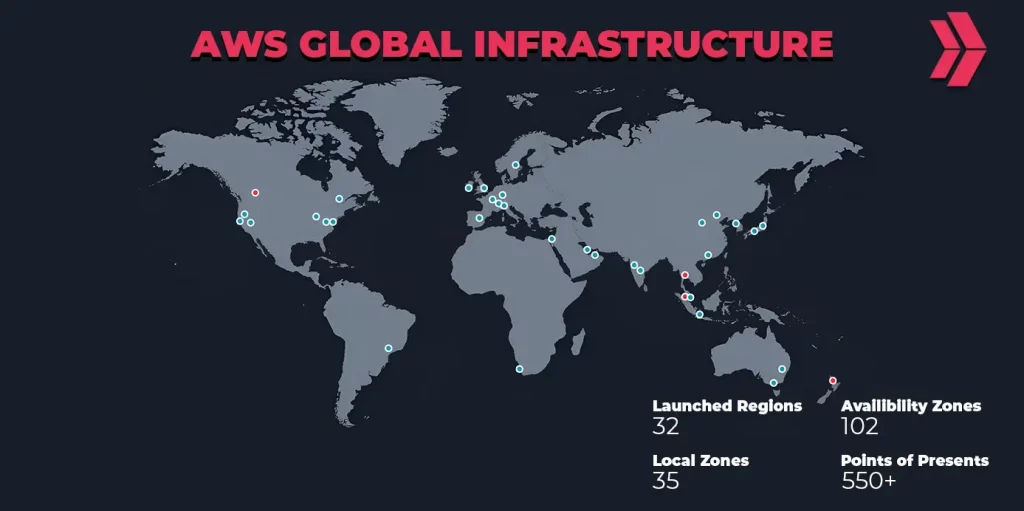
    • Large number of U.S. regions/AZs for geo-redundancy and low latency.
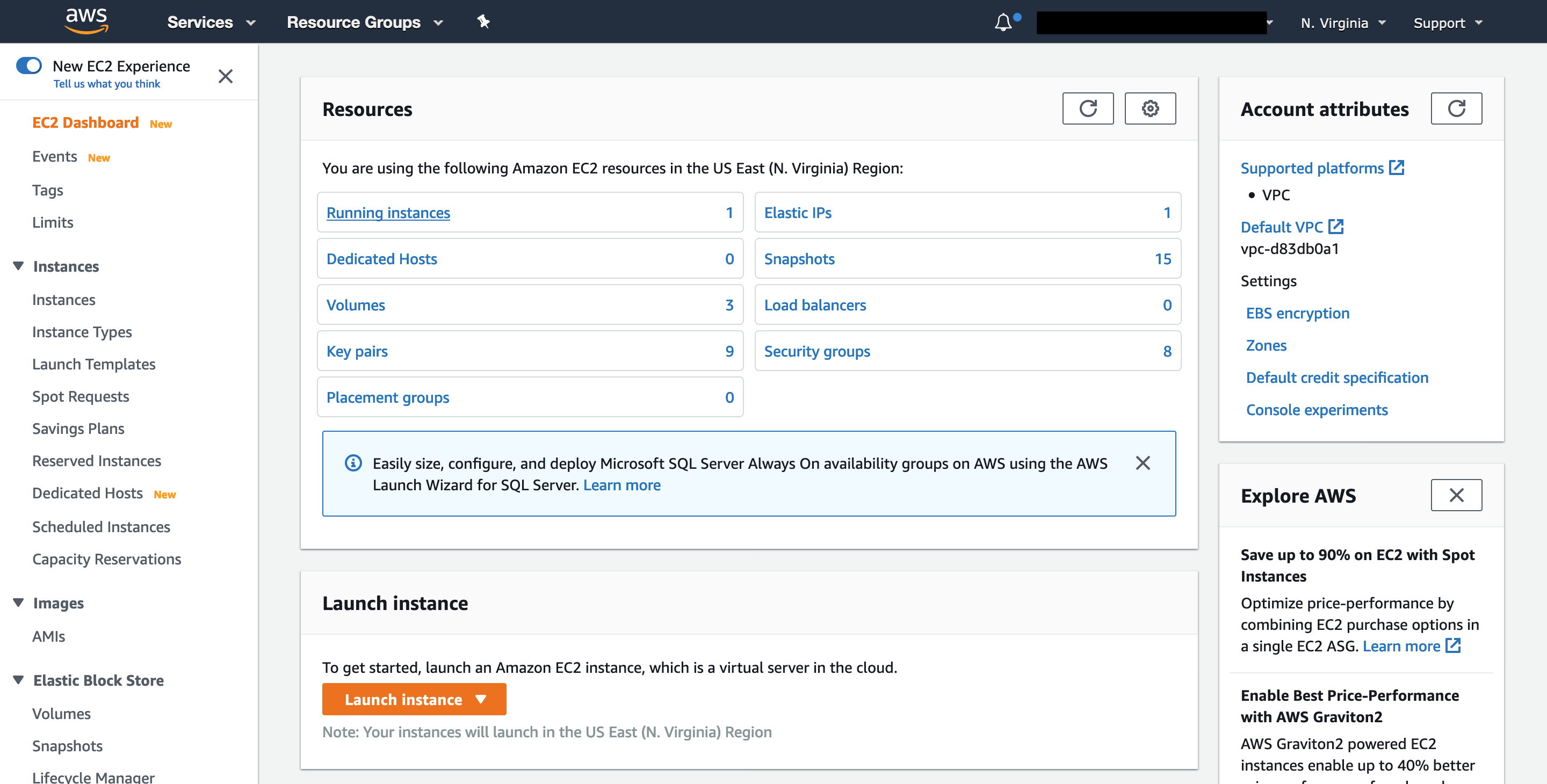
    • Broad array of services: compute (EC2), storage (S3), containers (EKS), serverless (Lambda), ML/AI (SageMaker). (TechBloat)
    • Pay-as-you-go pricing plus reserved / spot instances for savings.
    • Strong ecosystem of partners, migrations, and enterprise-grade security.
      Things to consider:
    • AWS can be complex for smaller businesses; steep learning curve.
    • Cost control is critical—without monitoring, bills can ramp quickly.
      Best for: Companies with growth aspirations, complex workloads, high scalability needs.

    2. Microsoft Azure
    Image
    Image
    Image
    Image
    Image
    Image

    Why it matters:
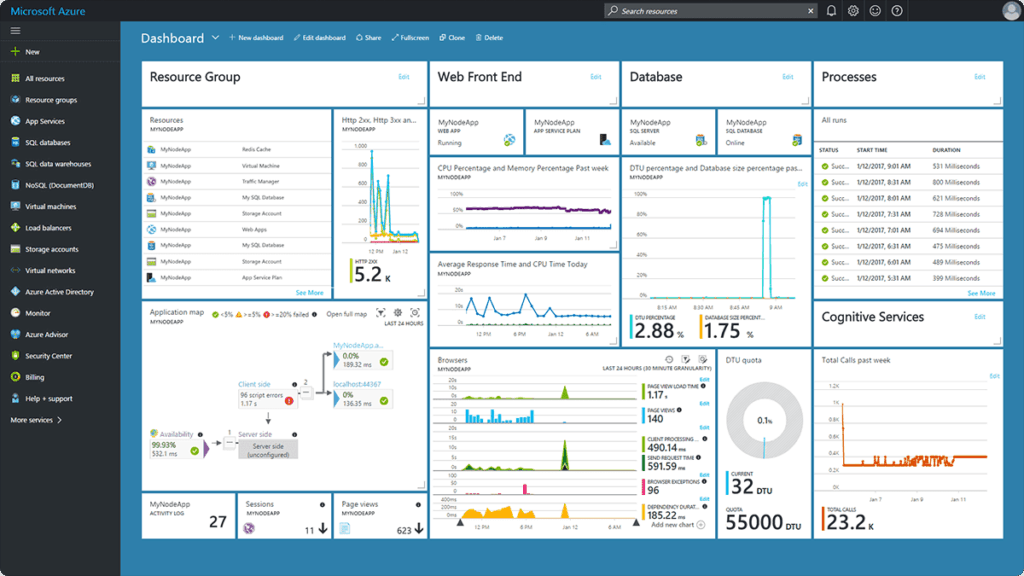
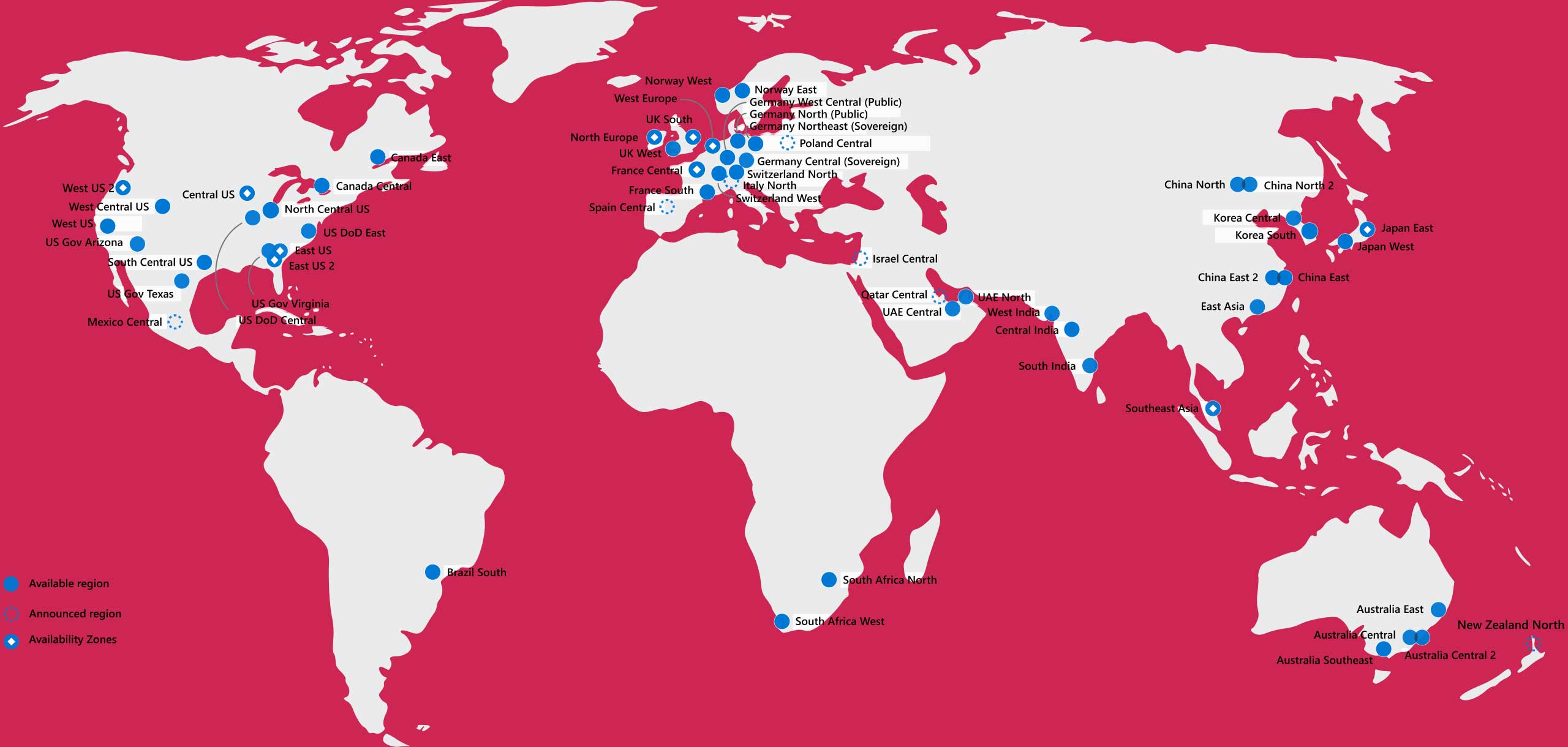
    Azure has grown significantly and is particularly strong when it comes to hybrid cloud, integration with Microsoft productivity tools, and enterprise environments. Forbes/analyst commentary indicates strong cloud spend trends for Azure. (Barron’s)
    What it offers U.S. businesses:

    • Seamless integration with Windows Server, Active Directory, Office 365—advantageous for businesses already in the Microsoft ecosystem.
    • Hybrid capabilities (Azure Arc, Azure Stack) to bridge on-premises and cloud. (jiWeb Technologies)
    • Broad service catalogue, large U.S. presence, and strong compliance credentials.
      Things to consider:
    • While very capable, Azure’s pricing and services are still complex; you’ll need governance.
    • Best-fit for firms already using Microsoft stack.
      Best for: Enterprises or mid-sized firms migrating from on-premises Microsoft infrastructure, or those needing hybrid cloud.

    3. Google Cloud Platform (GCP)
    Image
    Image
    Image
    Image
    Image
    Image

    Why it matters:
    GCP is increasingly recognized for its AI/ML offerings, data analytics capabilities, and competitive infrastructure. Analysts mention it as one of the top cloud platforms in 2025. (Barron’s)
    What it offers U.S. businesses:

    • Strong in data-driven workloads (e.g., BigQuery, TPU support).
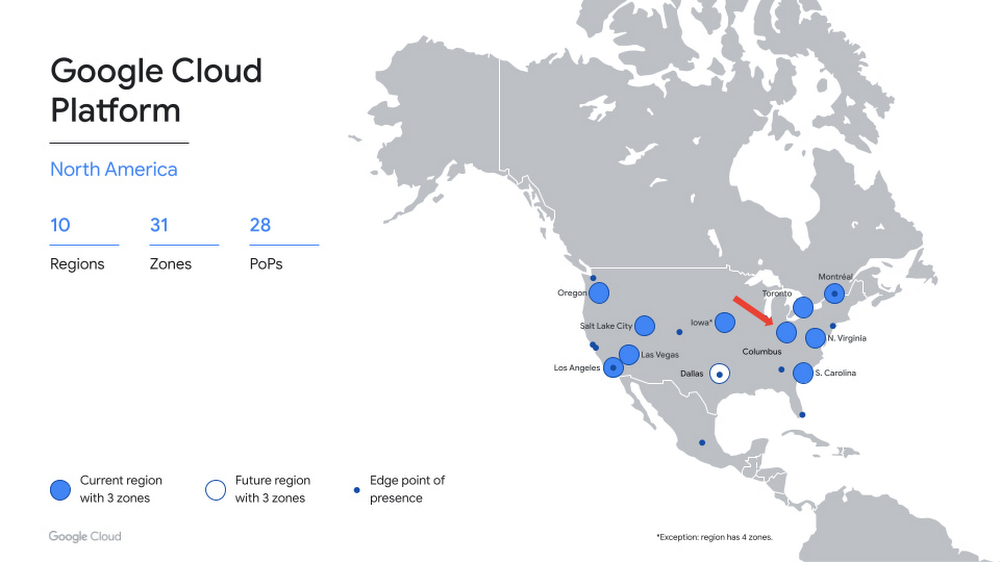
    • Good U.S. regional presence and competitive pricing.
    • Emphasis on sustainability and energy-efficient data centres.
      Things to consider:
    • Fewer regions than AWS/Azure (though still comprehensive).
    • May require stronger in-house data team to get full benefit.
      Best for: Companies with big data, analytics, AI/ML initiatives; startups seeking cloud with strong machine learning support.

    4. Oracle Cloud Infrastructure (OCI)

    Image
    Image
    Image
    Image
    Image
    Image

    Why it’s notable:
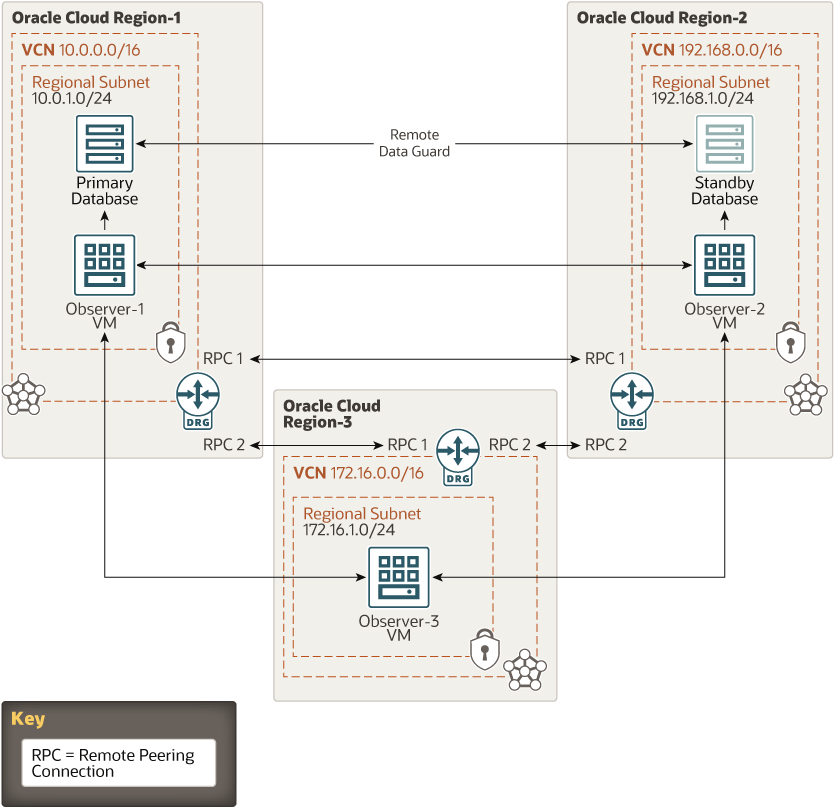
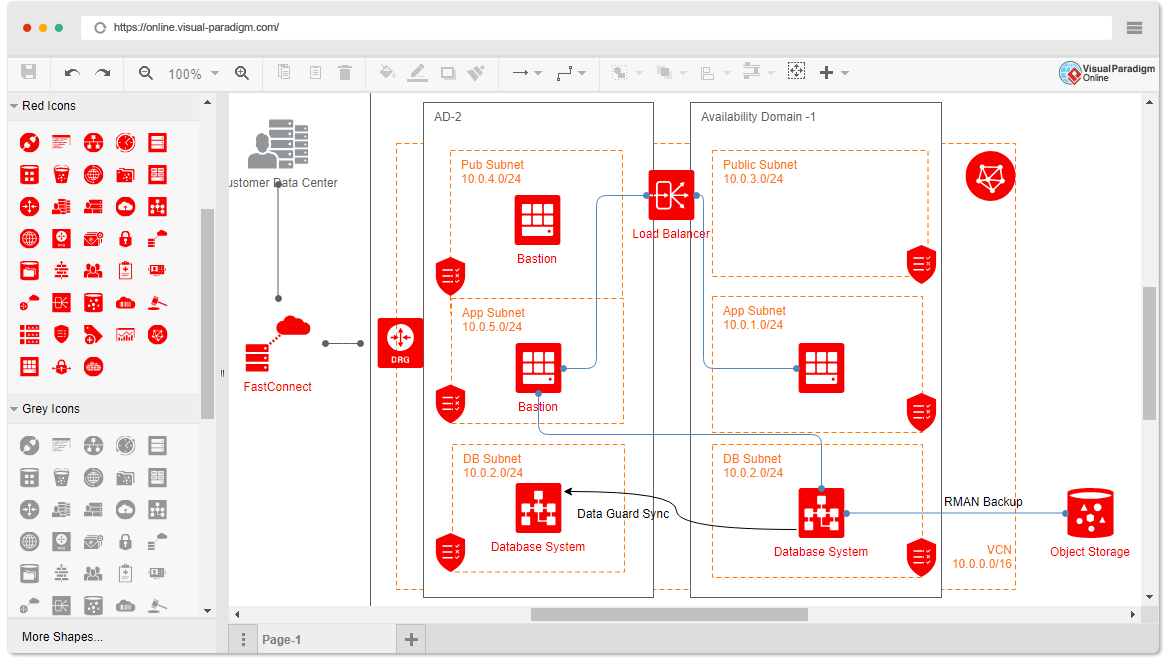
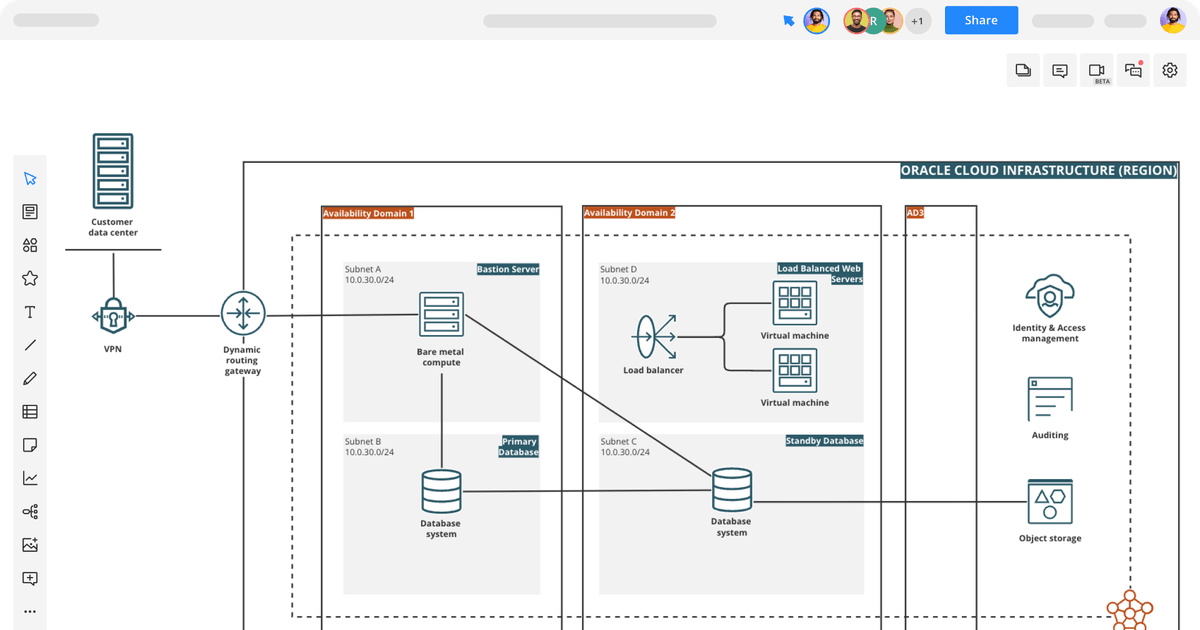
    While not always the first provider considered, OCI is gaining traction in 2025—especially for enterprise applications, databases, and high-performance compute. For instance, one source cites growth barriers but increasing relevance. (Connectbit)
    What it offers U.S. businesses:

    • Strong performance for workloads like ERP systems, large databases.
    • Hybrid/cloud flexibility, bare-metal options, and enterprise focus.
    • Good for businesses with large legacy Oracle-based infrastructure.
      Things to consider:
    • Market share smaller than AWS/Azure, ecosystem less broad.
    • Migration paths may need more planning if coming from other vendors.
      Best for: Large enterprises, heavily database-oriented workloads, companies already using Oracle tech.

    5. DigitalOcean
    Image
    Image
    Image
    Image
    Image
    Image

    Why it stands out for smaller businesses:
    DigitalOcean offers a simpler, developer-friendly, cost-transparent cloud hosting option—making it ideal for startups or smaller teams. One list specifically highlights it as startup-friendly. (Fueler)
    What it offers U.S. businesses:

    • Predictable pricing, simple UI.
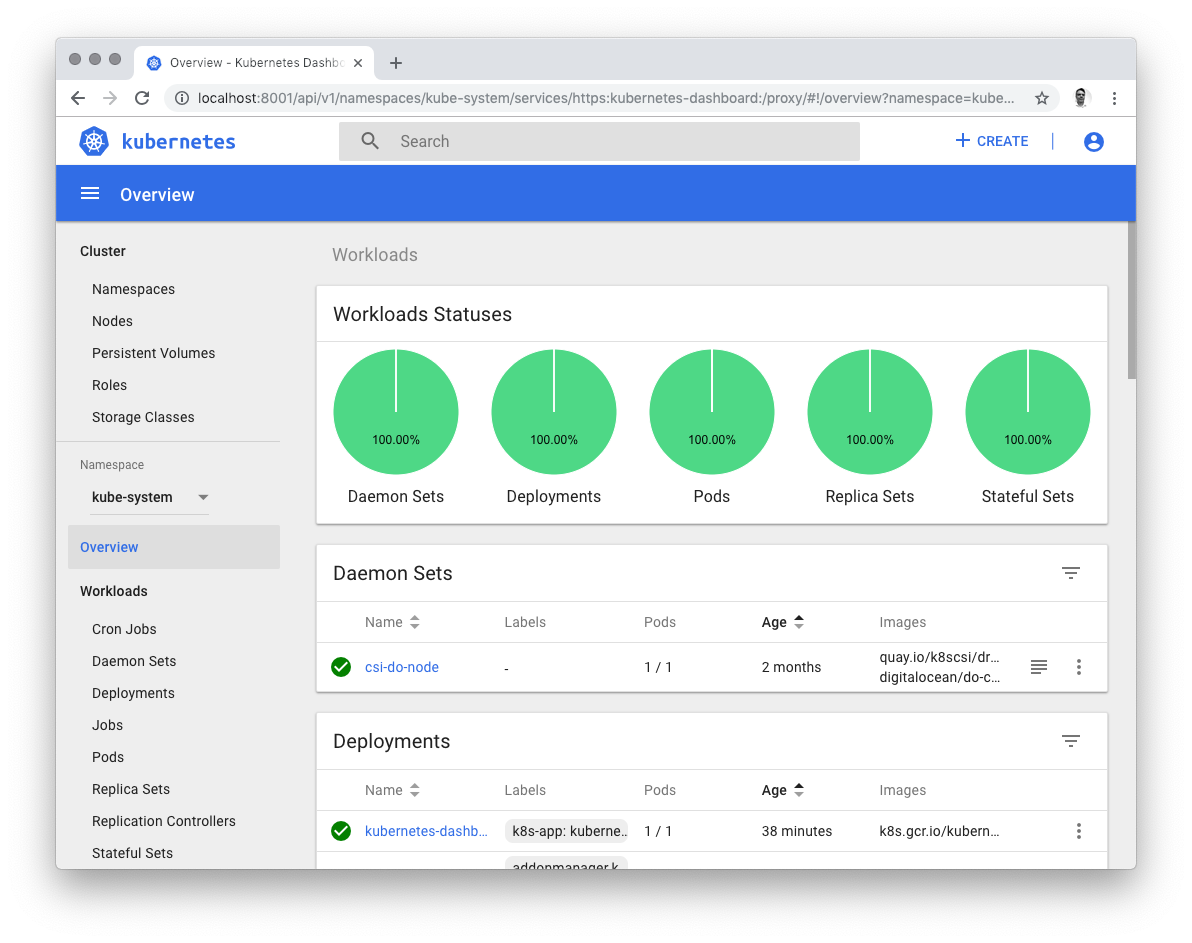
    • Managed Kubernetes, managed databases, virtual servers (droplets).
    • Transparent cost and less “noise” than larger platforms.
      Things to consider:
    • While great for smaller/medium workloads, may lack some enterprise features of the larger providers.
    • May require add-on services for advanced enterprise-grade capabilities.
      Best for: Startups, small-to-mid businesses, developers launching projects or MVPs, cost-conscious teams.

    6. Cloudways (Managed Cloud Hosting)

    Image
    Image
    Image
    Image
    Image
    Image

    Why it’s useful:
    Cloudways is a managed hosting platform layering on top of underlying cloud infrastructure (e.g., AWS, GCP, DigitalOcean). It simplifies cloud hosting attacks for businesses that don’t want to manage all infrastructure themselves. (Trusted Tech Insights)
    What it offers U.S. businesses:

    • Choice of providers, simplified control panel, optimized for speed and ease.
    • Less infrastructure overhead—ideal if you want focus on your app, not server management.
      Things to consider:
    • Managed services may come at slightly higher cost per resource versus bare cloud provider.
    • Customization may be more restricted.
      Best for: Small businesses or agencies that host apps/sites, prefer managed operations, need quick time-to-value.

    Other Notable Providers & Alternatives

    • Vultr – high-performance affordable cloud VPS/instances, gaining traction for dev and small business. (Analytics Insight)
    • Linode (now part of Akamai) – developer-friendly and budget-oriented. (Analytics Insight)
    • IBM Cloud – focused on enterprise, hybrid cloud, AI-services. (Trusted Tech Insights)

    Choosing the Right Provider for Your Business

    Here are some practical steps to help pick the right cloud-hosting partner:

    1. Define your workload & growth plan: Are you running a website, analytics platform, enterprise ERP? Will you scale internationally?
    2. Evaluate region & latency needs: U.S.-only? Or global reach? Select providers with data centres in required regions.
    3. Assess cost structure & transparency: Look for providers with clear pricing, cost-management tools, reserved/spot options.
    4. Check compatibility & ecosystem: Use case for AI/ML? Big data? Microsoft integration? Choose accordingly.
    5. Security & compliance requirements: If you’re in regulated industry (healthcare, finance) you’ll need providers certified accordingly.
    6. Operational maturity & support: For mission-critical systems, pick vendors with strong SLA, support, guaranteed uptime.
    7. Hybrid & multi-cloud options: If you have on-premises infrastructure or want to avoid vendor lock-in, hybrid/cloud flexibility matters.
    8. Migration path & exit strategy: Understand how easily you can move workloads, export data, or change providers if needed.

    2025 Trends Impacting Cloud Hosting

    • AI workloads driving infrastructure change: Many providers are enhancing GPU, TPU, and AI-specific instance types.
    • Serverless and containers becoming mainstream: Fewer businesses just using VMs; interest shifting to managed containers, Kubernetes, and serverless functions.
    • Cost optimization in spotlight: With cloud bills rising, businesses leverage tools for cost visibility, auto-scaling down, reserved instances.
    • Security & compliance growth: Cyber-threats and regulation push providers to offer advanced encryption, identity management, zero-trust, and compliance certifications.
    • Sustainability and green cloud: Companies increasingly value providers with renewable energy, eco-friendly data centres and transparent carbon footprints.

    Conclusion

    For U.S. businesses in 2025, choosing the right cloud-hosting provider is a strategic decision—not just an IT one. Whether you’re a startup building an MVP or a large enterprise migrating to cloud, the providers listed above represent the current leaders in terms of capability, reliability, and innovation.

    If you prioritise massive scale, global reach, and broad service options, go with AWS or Azure. If you focus on analytics, AI, or developer-friendly simplicity, GCP or DigitalOcean may be the right choice. If you prefer managed operations and less infrastructure overhead, platforms like Cloudways add value.

    Your ideal choice depends on your specific needs, budget, and roadmap. The key is to align your cloud strategy with your business goals—and then select a partner who can grow with you.

  • How SaaS Solutions Are Transforming Small Businesses in America

    In the last decade, software has become the backbone of business innovation — but in 2025, Software-as-a-Service (SaaS) has taken that revolution to a whole new level. For small businesses across the United States, SaaS tools are no longer optional add-ons — they’re the engines that drive productivity, efficiency, and growth.

    Whether it’s automating repetitive tasks, managing finances, or streamlining customer service, SaaS platforms are enabling small businesses to compete with larger enterprises without the need for huge IT budgets or complex infrastructure. This article explores how SaaS solutions are transforming small businesses in America, the key benefits, and the most impactful tools driving this shift.


    1. What Is SaaS and Why It Matters in 2025

    SaaS (Software-as-a-Service) refers to software that’s hosted in the cloud and delivered to users via the internet. Unlike traditional software that requires installation, maintenance, or manual updates, SaaS applications operate on a subscription basis — offering instant access, automatic updates, and scalability on demand.

    In 2025, this model is especially appealing to small businesses because:

    • It eliminates the need for expensive hardware or IT departments.
    • It allows access from anywhere — perfect for remote or hybrid teams.
    • It provides flexibility to scale up or down depending on business needs.
    • It integrates easily with other cloud-based services and tools.

    The combination of affordability, accessibility, and automation makes SaaS a game-changer for small businesses that want to focus on growth instead of maintenance.


    2. Cost Efficiency: Reducing Overhead and Boosting ROI

    One of the biggest ways SaaS is transforming small businesses is through cost savings. Traditional software often involves high upfront licensing fees, installation costs, and ongoing maintenance. SaaS flips that model — offering monthly or annual subscription plans that are predictable and scalable.

    For example:

    • A small retailer using QuickBooks Online can manage accounting and payroll for less than $50 a month.
    • A digital marketing startup can use HubSpot CRM for free or upgrade affordably as it scales.
    • A design agency can collaborate on Canva Pro or Figma without paying for heavy desktop software.

    These cloud-based systems also minimize downtime and maintenance expenses, reducing the total cost of ownership while improving efficiency. In essence, SaaS allows even the smallest businesses to use enterprise-level technology at a fraction of the cost.


    3. Scalability: Growing Without the Growing Pains

    In a traditional setup, growth often meant upgrading servers, purchasing new licenses, or expanding IT infrastructure — all expensive and time-consuming steps. With SaaS, scaling your business operations is as simple as changing your subscription plan.

    For example:

    • Salesforce Essentials allows small businesses to start with minimal users and expand to the enterprise version as they grow.
    • Shopify lets online stores upgrade plans seamlessly when traffic or orders increase.
    • Google Workspace allows adding new team members instantly, with centralized management and security.

    This flexibility ensures that small businesses can grow confidently without worrying about technical limitations.


    4. Automation and Productivity: Doing More with Less

    SaaS tools excel at automating repetitive tasks — freeing up valuable time for entrepreneurs to focus on strategy and creativity. From automated email campaigns to smart accounting reports, automation has become the new productivity standard.

    Examples include:

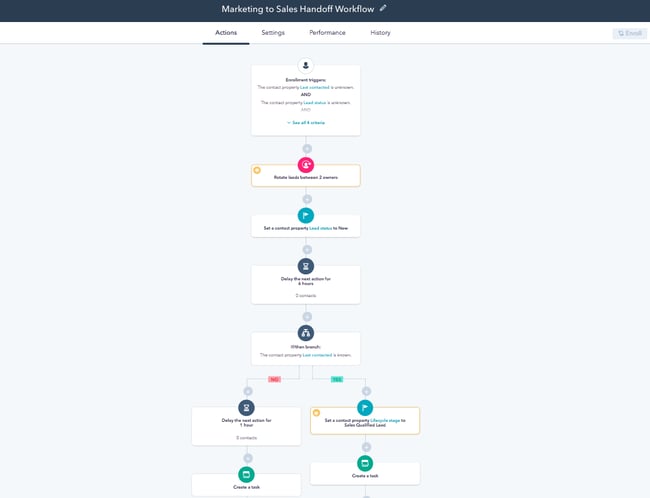
    • Zapier and Make (formerly Integromat) — automate workflows between apps (e.g., send invoices automatically when a deal closes).
    • Mailchimp — automates marketing campaigns, newsletters, and customer segmentation.
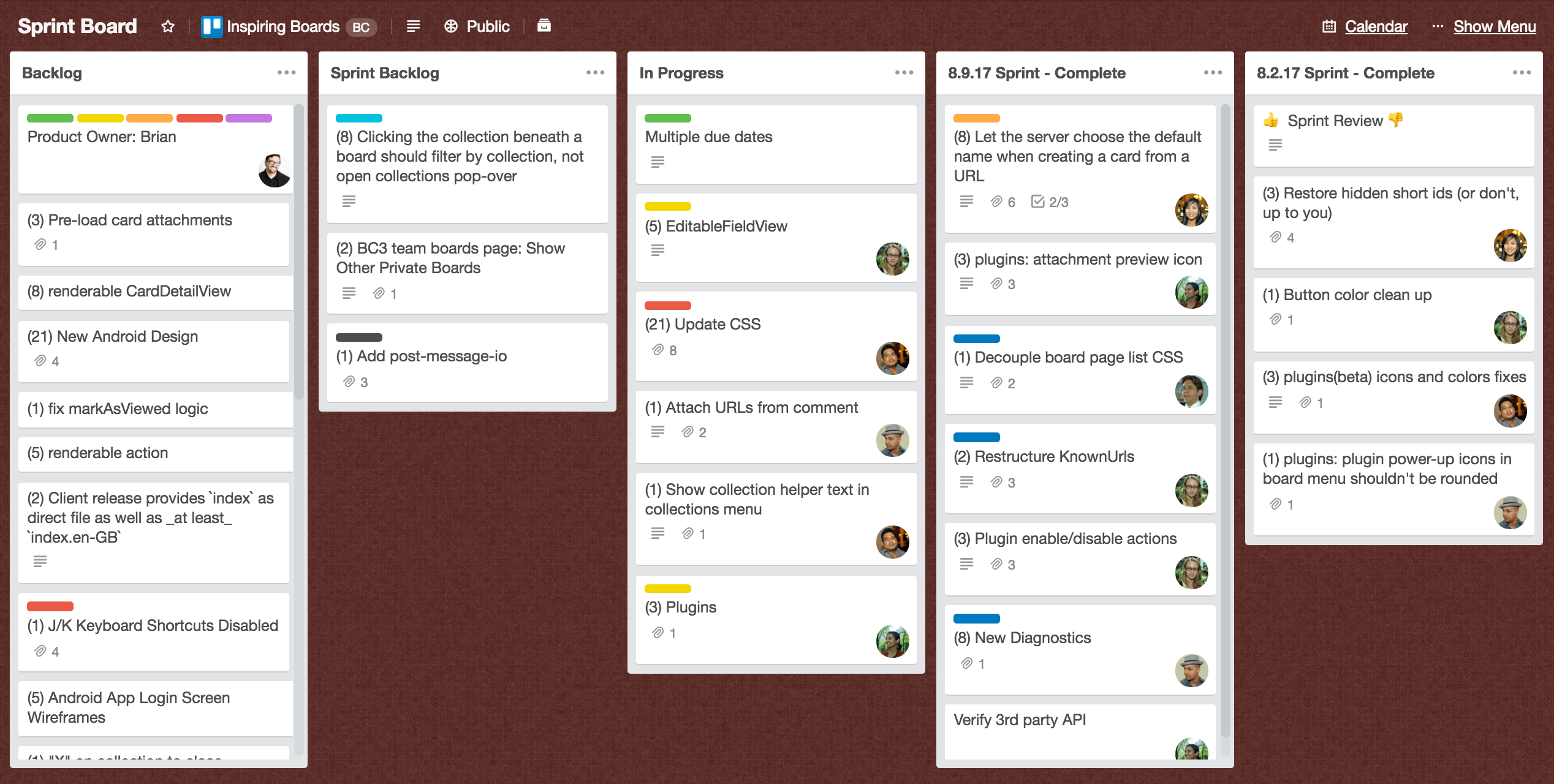
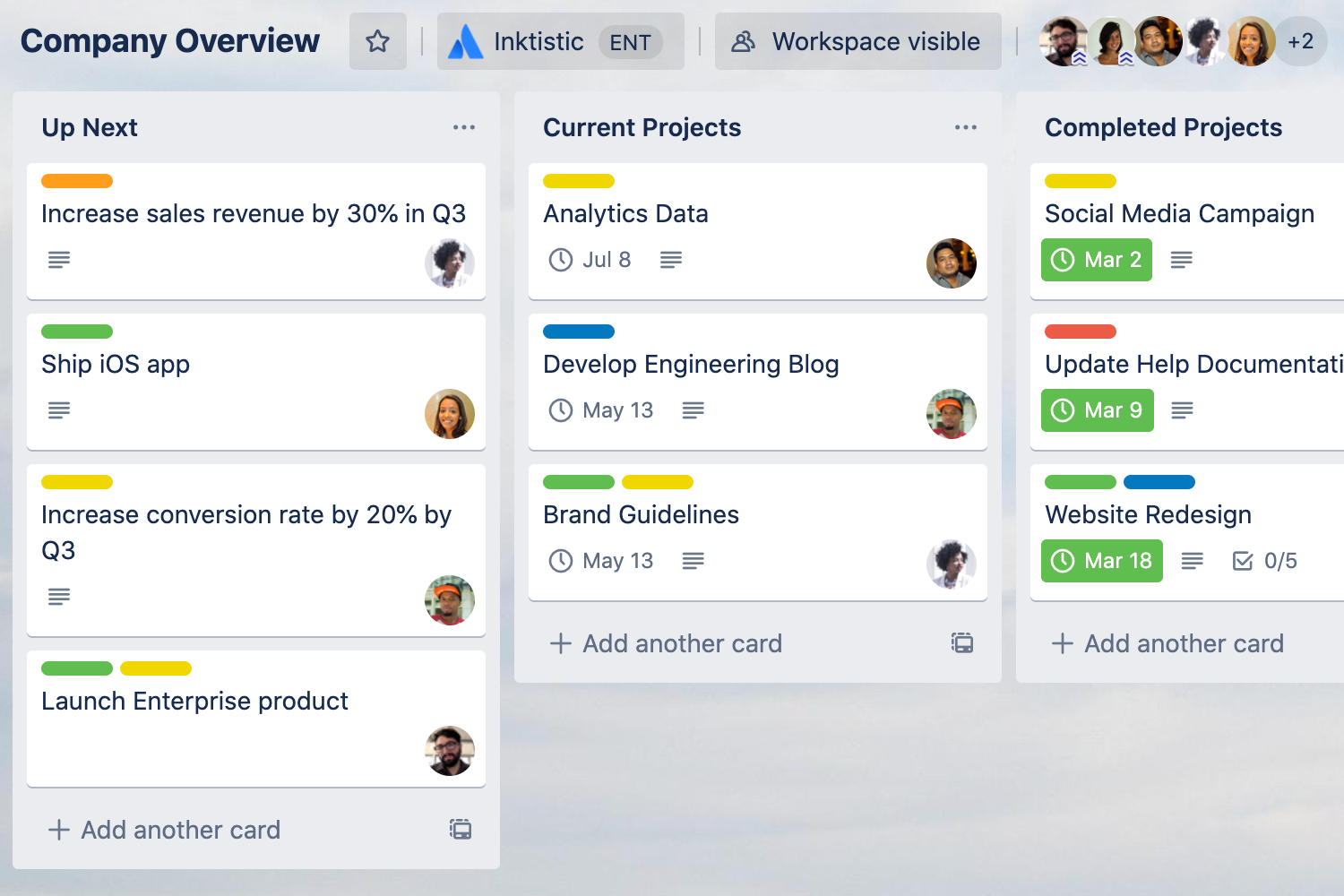
    • Asana or Trello — automate task reminders, project tracking, and status updates.

    According to recent studies, small businesses that adopt automation through SaaS solutions save up to 25–35% of time per week, significantly improving output without increasing headcount.


    5. Data-Driven Decision-Making: Turning Insights into Action

    SaaS tools often come with built-in analytics and reporting dashboards, allowing small businesses to make smarter, data-driven decisions.

    • Google Analytics 4 offers deep insights into website visitor behavior.
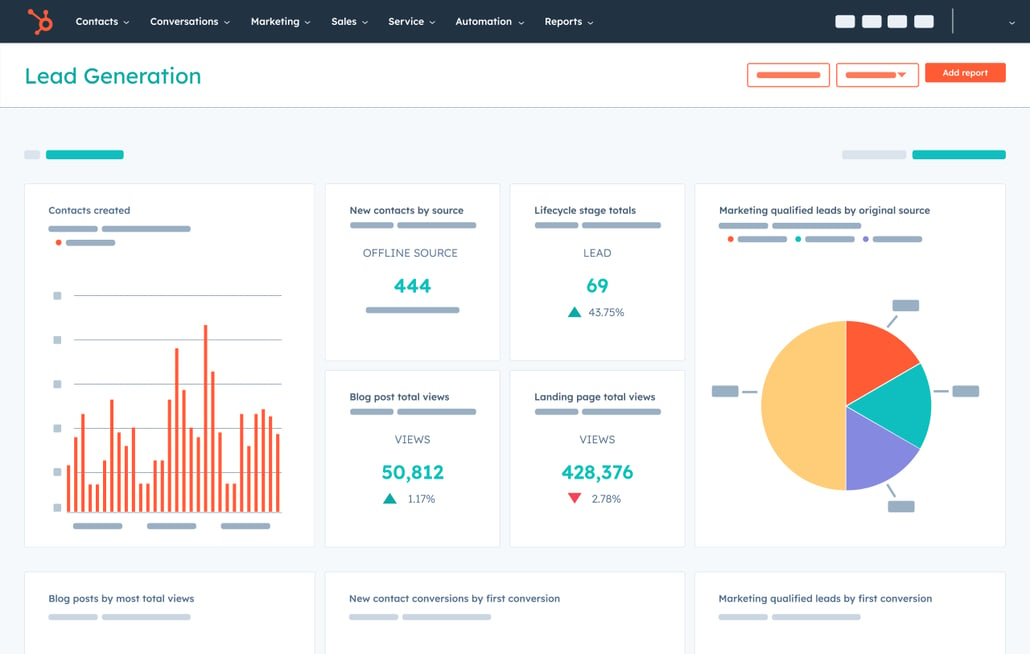
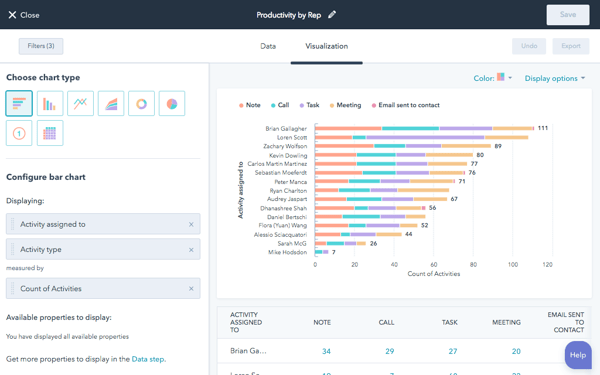
    • HubSpot CRM provides sales performance dashboards and customer engagement data.
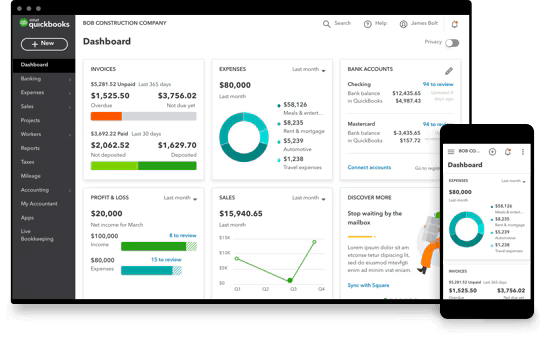
    • QuickBooks generates financial forecasts and expense analyses automatically.

    With real-time data available from anywhere, business owners can quickly adjust marketing strategies, improve customer service, or manage cash flow proactively.

    In 2025, where markets change rapidly, the ability to pivot based on real-time insights is one of the most valuable advantages a small business can have.


    6. Enhancing Collaboration in a Remote-First World

    The post-pandemic business environment solidified remote and hybrid work as the new normal. SaaS tools have become the digital glue that keeps distributed teams connected and efficient.

    Examples:

    • Slack and Microsoft Teams enable instant messaging, voice calls, and document sharing.
    • Google Workspace and Dropbox Business support real-time collaboration on documents and files.
    • Zoom and Calendly simplify client communication and scheduling.

    These platforms break down geographic barriers, allowing small teams to work like global enterprises. Employees can collaborate seamlessly, access shared data from the cloud, and maintain productivity from any device.


    7. Improving Customer Experience Through CRM and AI

    Customer experience (CX) is the new battleground for small businesses — and SaaS-based Customer Relationship Management (CRM) systems are making it easier than ever to manage relationships at scale.

    Tools like:

    • HubSpot, Zoho CRM, and Salesforce Essentials centralize customer data, automate follow-ups, and provide 360° visibility into each client’s journey.
    • AI-powered chatbots (like Intercom or Drift) can instantly answer customer queries and qualify leads 24/7.
    • SaaS marketing tools like Klaviyo and Mailchimp use behavioral data to personalize campaigns.

    In 2025, personalization isn’t a luxury — it’s an expectation. SaaS CRMs empower even small businesses to deliver experiences once only achievable by large corporations.


    8. Security and Compliance: Cloud Safety Gets Smarter

    For years, small business owners hesitated to move to the cloud due to security concerns. But in 2025, SaaS security has evolved dramatically. Top-tier providers now use end-to-end encryption, AI threat detection, and compliance frameworks that often surpass on-premise security standards.

    Most major SaaS providers are compliant with GDPR, SOC 2, ISO 27001, and HIPAA (for healthcare), ensuring sensitive customer and financial data remains protected.

    Additionally, automatic updates mean businesses always run the latest, most secure version — without any manual maintenance or downtime.


    9. Integration and Ecosystem Flexibility

    The modern SaaS ecosystem is highly connected. Small businesses no longer use single, isolated tools — they build integrated tech stacks that work together seamlessly.

    For example:

    • Slack connects with Asana, Google Drive, and HubSpot.
    • Zapier integrates over 5,000 apps, linking CRM, email, and payment platforms effortlessly.
    • Shopify integrates accounting, marketing, and logistics tools into one platform.

    This interconnectedness creates a unified workflow that minimizes manual data entry, reduces human error, and boosts operational visibility across departments.


    10. Sustainability and Remote Accessibility

    Another underrated benefit of SaaS is its contribution to sustainability and eco-friendly business practices. Since SaaS runs in the cloud, companies can reduce their reliance on paper, local servers, and in-office energy consumption.

    Moreover, SaaS platforms support remote accessibility, meaning employees can work effectively from anywhere — reducing commute times, office costs, and environmental footprints.

    This also makes it easier for small businesses to hire remote talent across the country, expanding their capabilities without increasing overhead.


    11. Popular SaaS Tools Powering Small Businesses in 2025

    Here’s a quick list of top-performing SaaS tools used by American small businesses this year:

    CategoryToolKey Benefit
    CRMHubSpot / Zoho CRMManage leads, automate sales
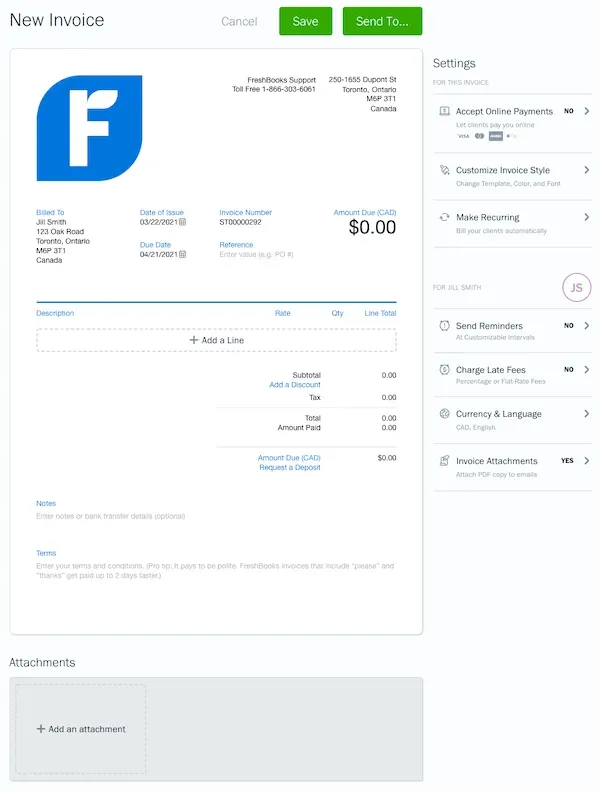
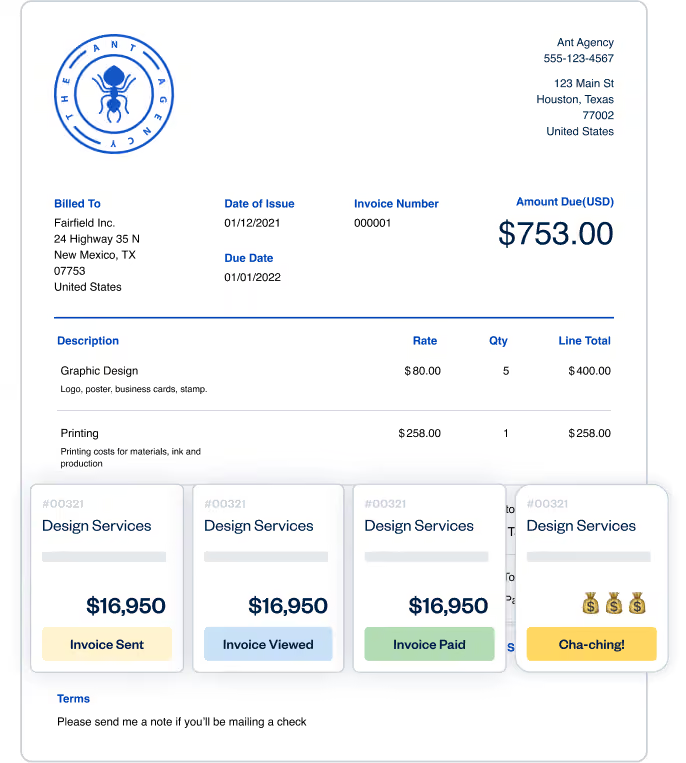
    AccountingQuickBooks Online / FreshBooksCloud-based bookkeeping
    MarketingMailchimp / ActiveCampaignEmail automation and analytics
    Project ManagementAsana / TrelloTask tracking and collaboration
    CommunicationSlack / ZoomTeam and client communication
    Storage & DocsGoogle Workspace / DropboxFile management and sharing
    E-commerceShopify / WixEasy online store management
    AnalyticsGoogle Analytics 4 / Looker StudioData insights and reporting

    Each of these tools plays a crucial role in helping startups and small firms compete efficiently in an increasingly digital economy.


    12. Challenges and Considerations

    While SaaS brings many advantages, small businesses should remain aware of a few challenges:

    • Subscription creep: Too many tools can add up to high recurring costs. Regularly audit usage.
    • Data ownership: Always review the provider’s terms regarding data storage and portability.
    • Internet dependency: SaaS tools require stable internet connectivity — critical for remote teams.
    • Integration complexity: As stacks grow, ensure data consistency between platforms.

    The solution is to plan a strategic SaaS adoption roadmap — selecting tools that integrate well and align with business priorities.


    13. The Future: AI-Powered SaaS for Smarter Growth

    In 2025, artificial intelligence is becoming embedded in nearly every major SaaS product. AI-driven SaaS helps small businesses:

    • Predict customer behavior using machine learning analytics.
    • Automate complex workflows with natural language commands.
    • Personalize marketing and sales outreach at scale.
    • Detect fraud or inefficiencies in real time.

    This fusion of AI + SaaS means small businesses can now operate with the same level of intelligence and automation as Fortune 500 companies — but at startup-friendly prices.


    14. Final Thoughts: SaaS as the Equalizer for American Small Businesses

    SaaS has become the great equalizer for small businesses in America. It allows a two-person startup in Austin or Miami to compete with nationwide firms by leveraging the same advanced tools, automation, and analytics — all from the cloud.

    By reducing costs, improving scalability, and fostering innovation, SaaS has fundamentally reshaped how small businesses operate, collaborate, and grow in the digital era.

    In 2025 and beyond, those who continue to embrace smart SaaS ecosystems will find themselves more adaptable, data-driven, and ready to thrive in a fast-changing market.

  • Best Cloud-Based Business Tools for Startups in the USA


    1. Google Workspace (formerly G Suite)

    Image
    Image
    Image
    Image
    Image
    Image

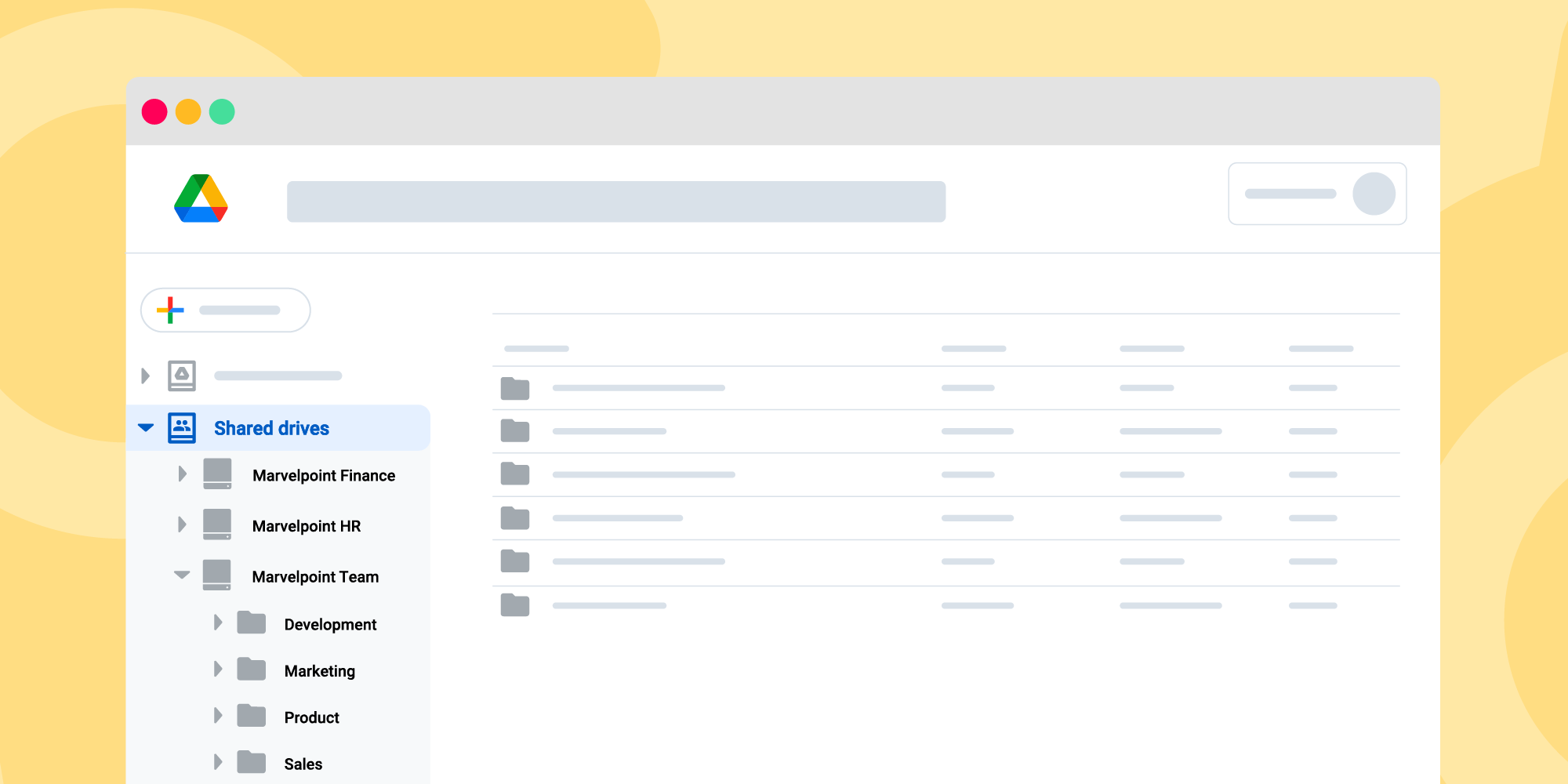
    What it does: A full cloud productivity suite including business email (Gmail with custom domain), Drive (cloud storage), Docs, Sheets, Slides (collaboration), Meet (video), plus admin tools.
    Why startups love it:

    • Enables your team to collaborate in real-time from any location. (Technaureus)
    • Cost-effective for small teams, quick to set up.
    • Integrates with many other tools.
      What to check:
    • Storage and user-limits for your plan.
    • Ensure security settings (two-step verification, access rights).
    • If your workflows need more advanced features (e.g., enterprise-grade data loss prevention) you may need higher tier.

    2. Slack (Team Communication & Collaboration)

    Image
    Image
    Image
    Image
    Image
    Image

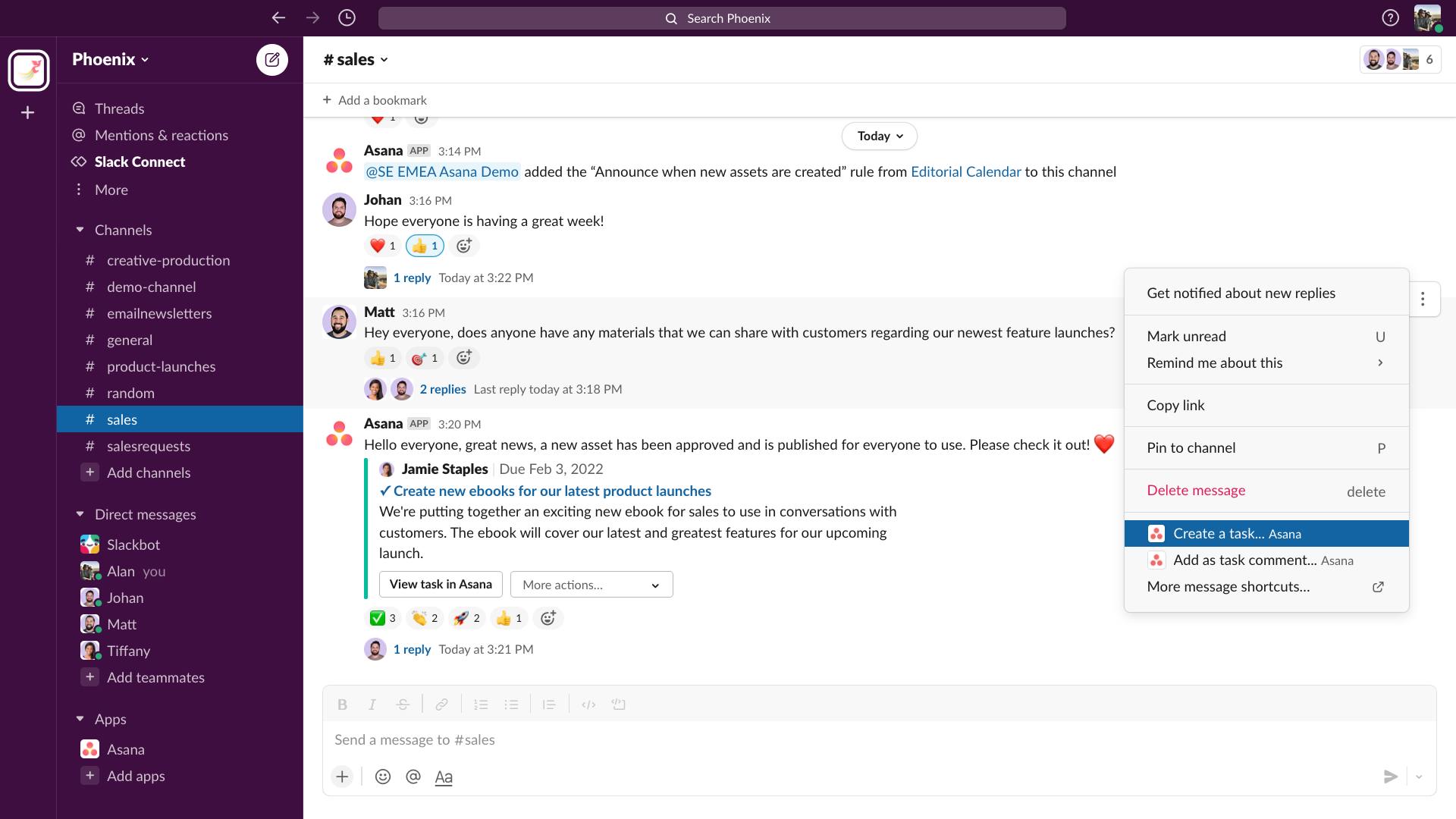
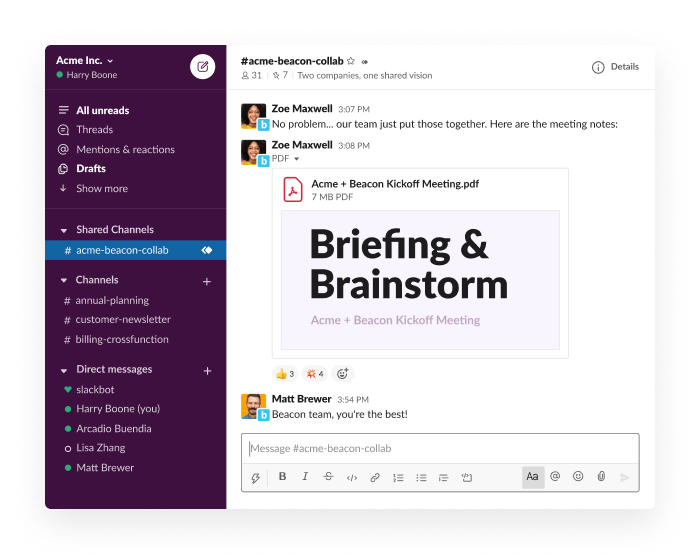
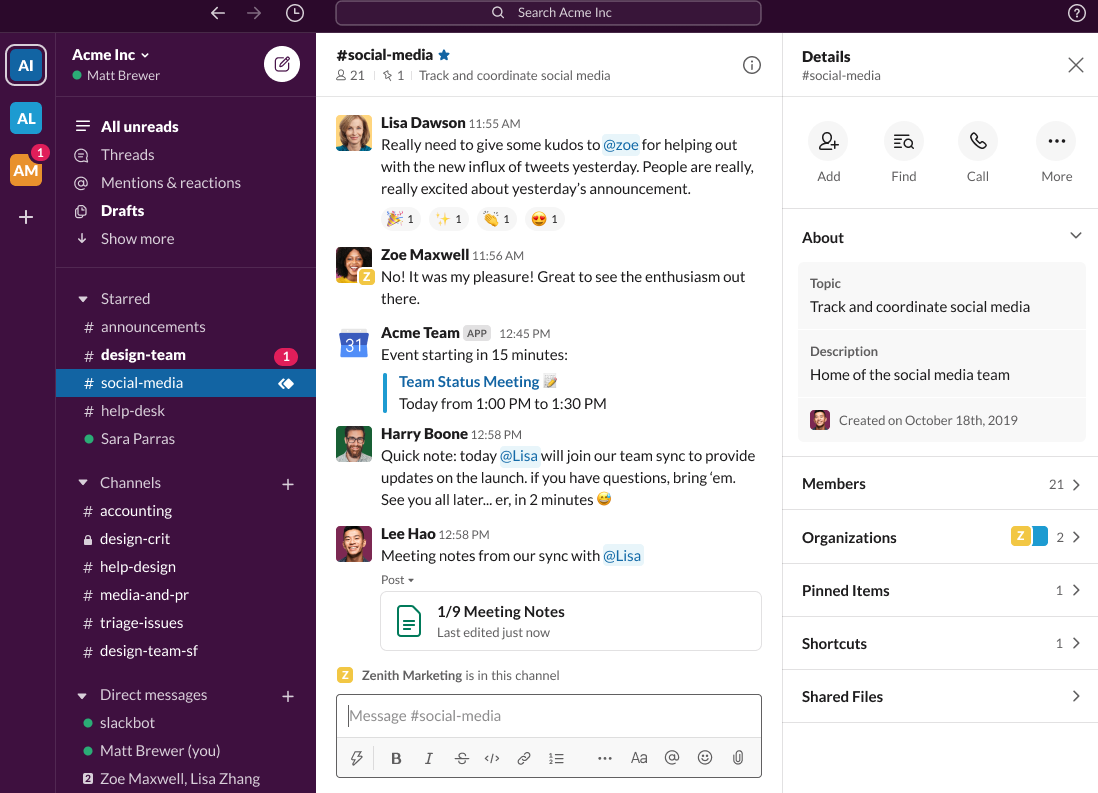
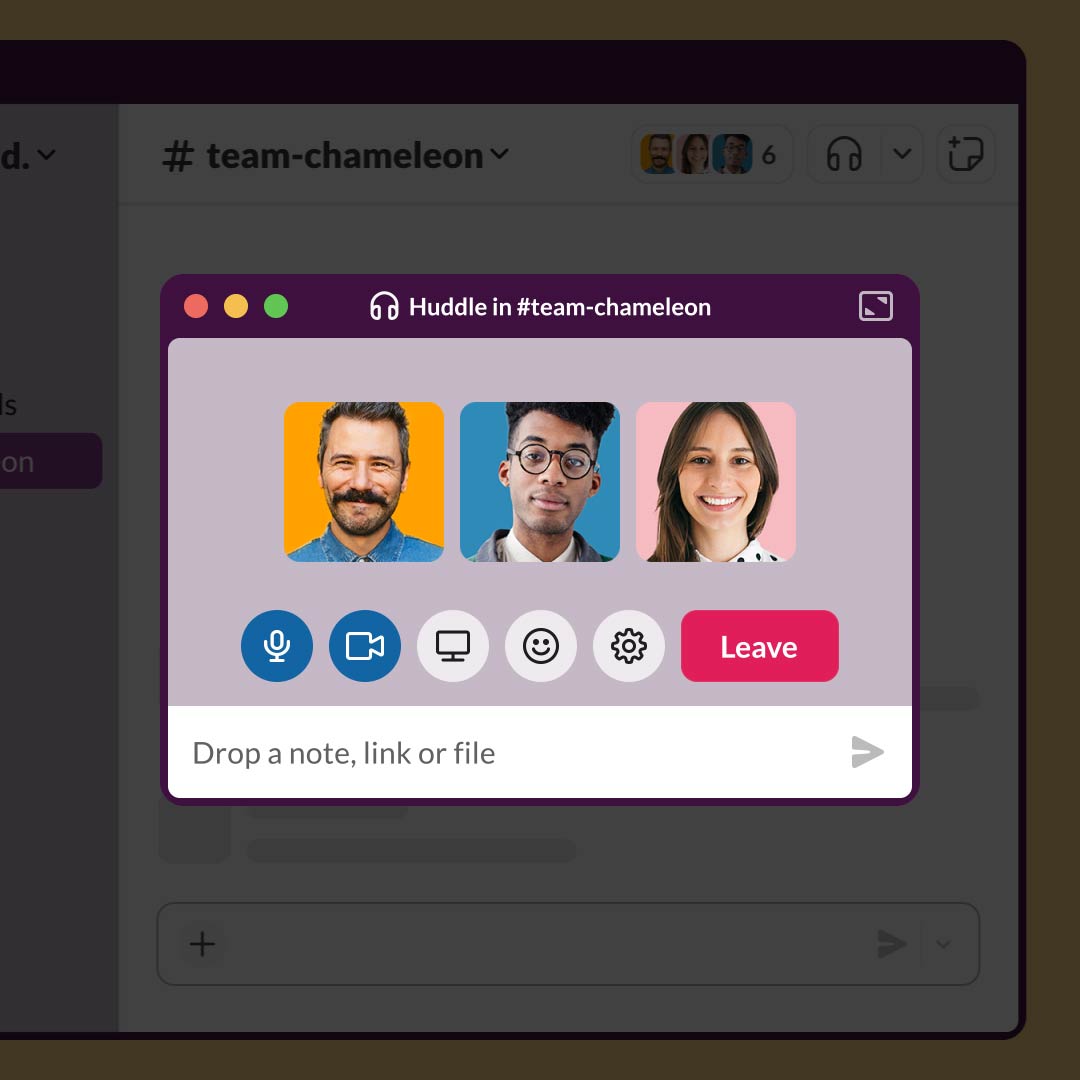
    What it does: Cloud-based messaging and collaboration platform with channels, threads, integrations with other apps (files, notifications, bots).
    Why useful:

    • Centralizes team communication in one place, reducing scattered email chains. (Technaureus)
    • Integrates with many productivity and automation tools.
      What to consider:
    • Channels can become chaotic if not well managed—set clear naming conventions and rules.
    • Pricing can increase with number of users or features—monitor cost as you scale.
    • Data security: ensure access controls especially if sensitive info is shared.

    3. Asana (Project & Task Management)

    Image
    Image
    Image
    Image
    Image
    Image

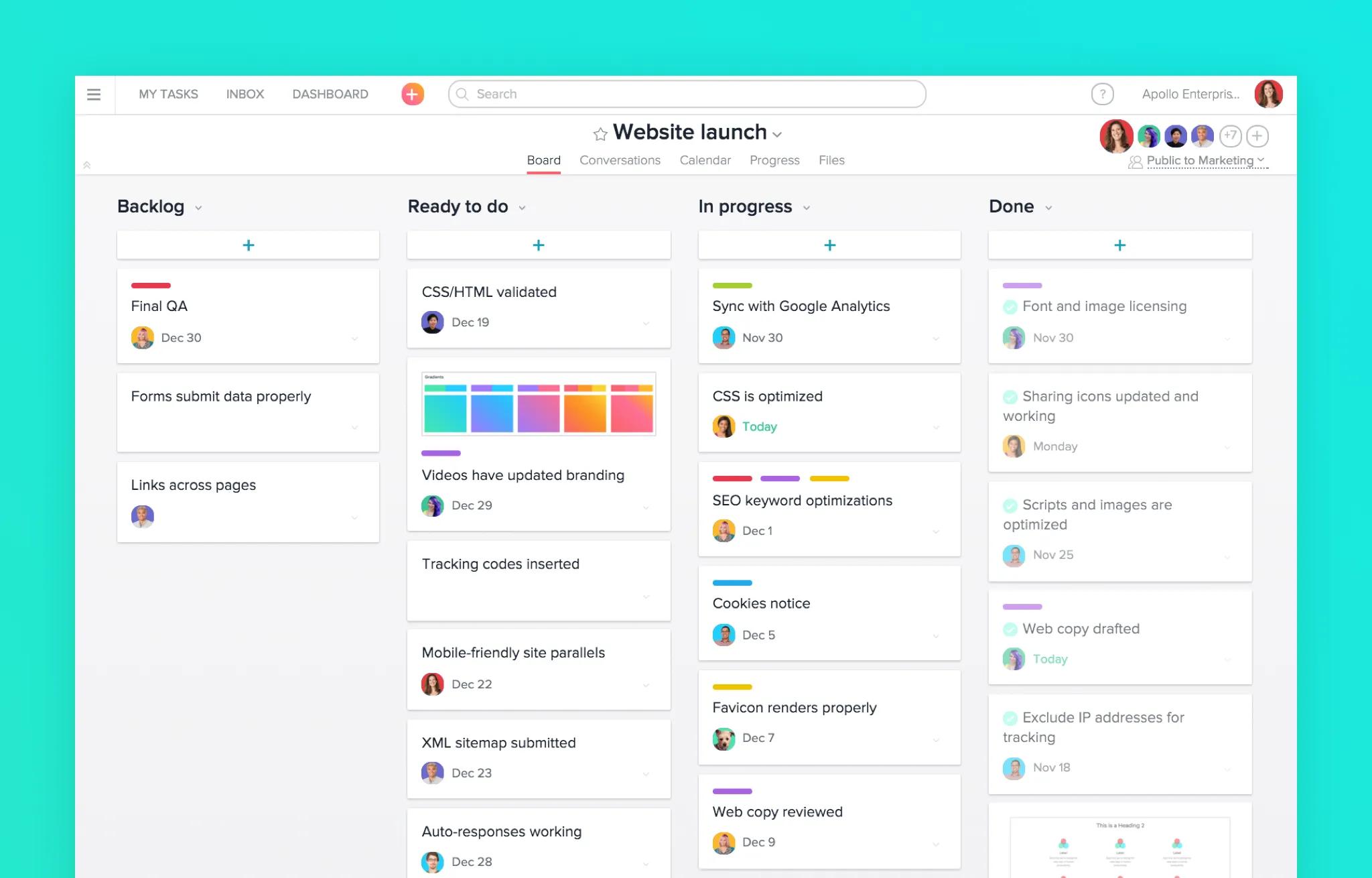
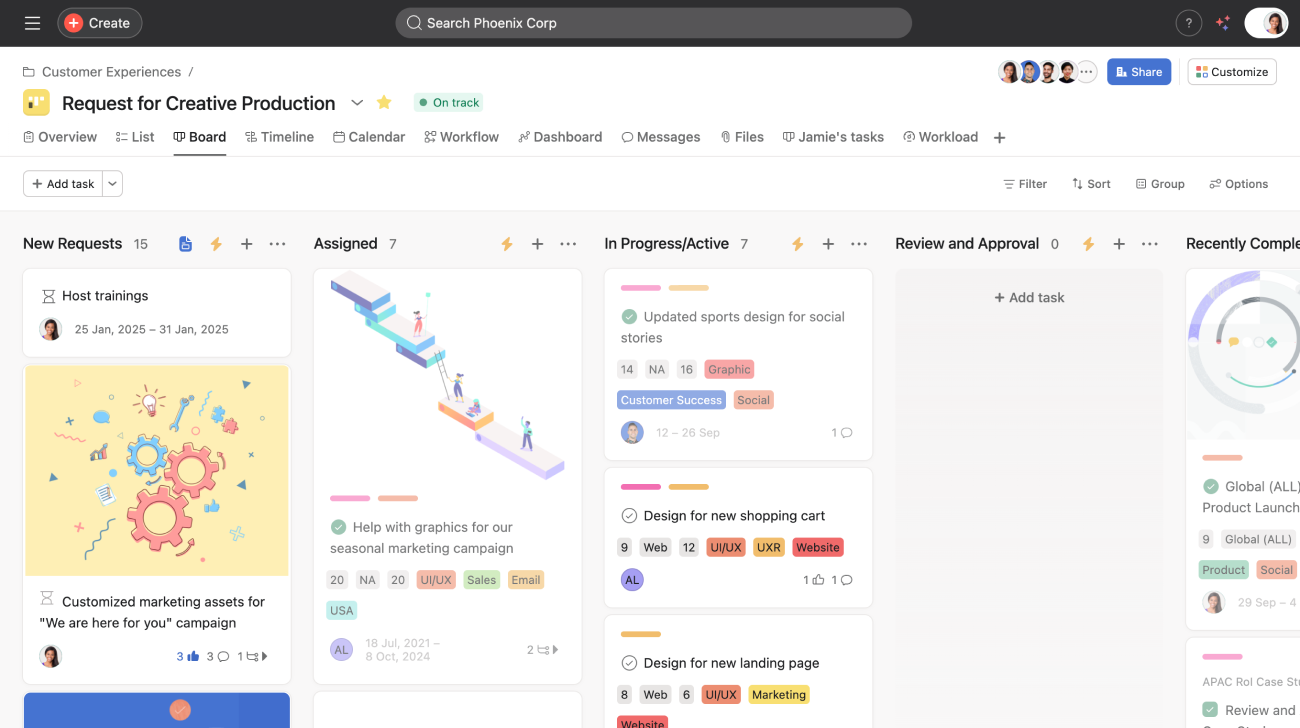
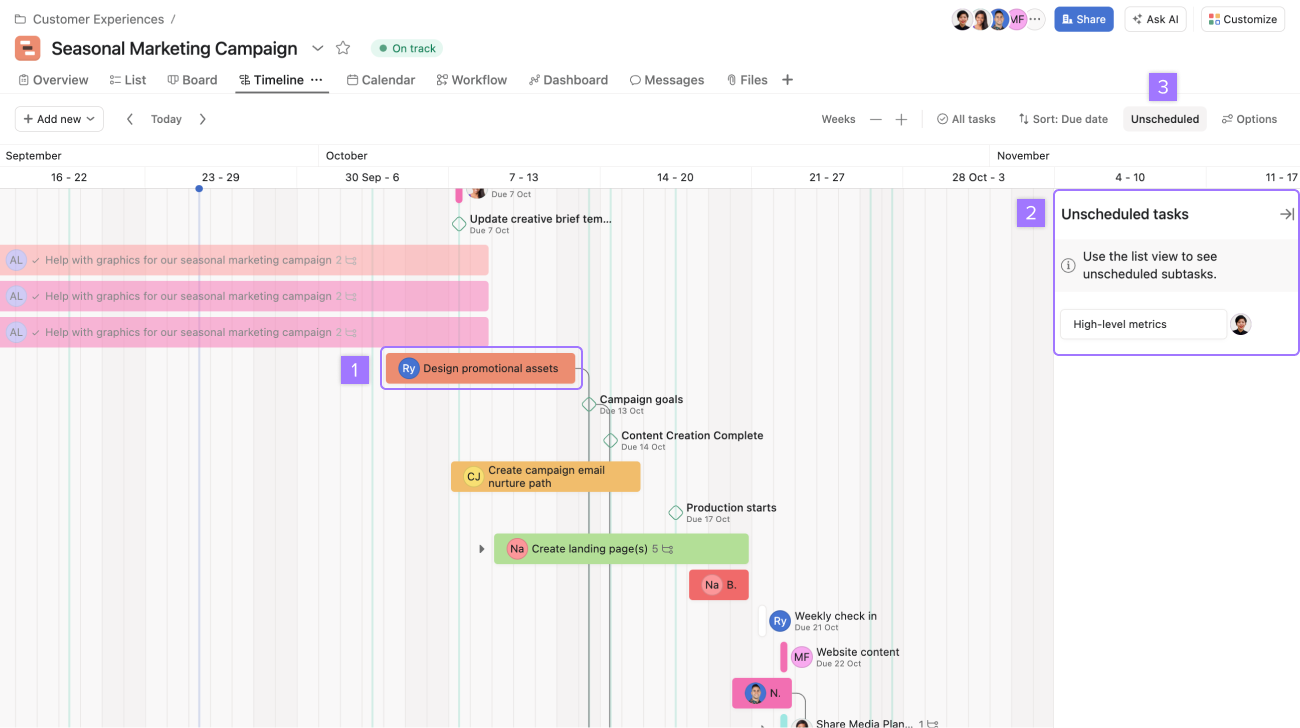
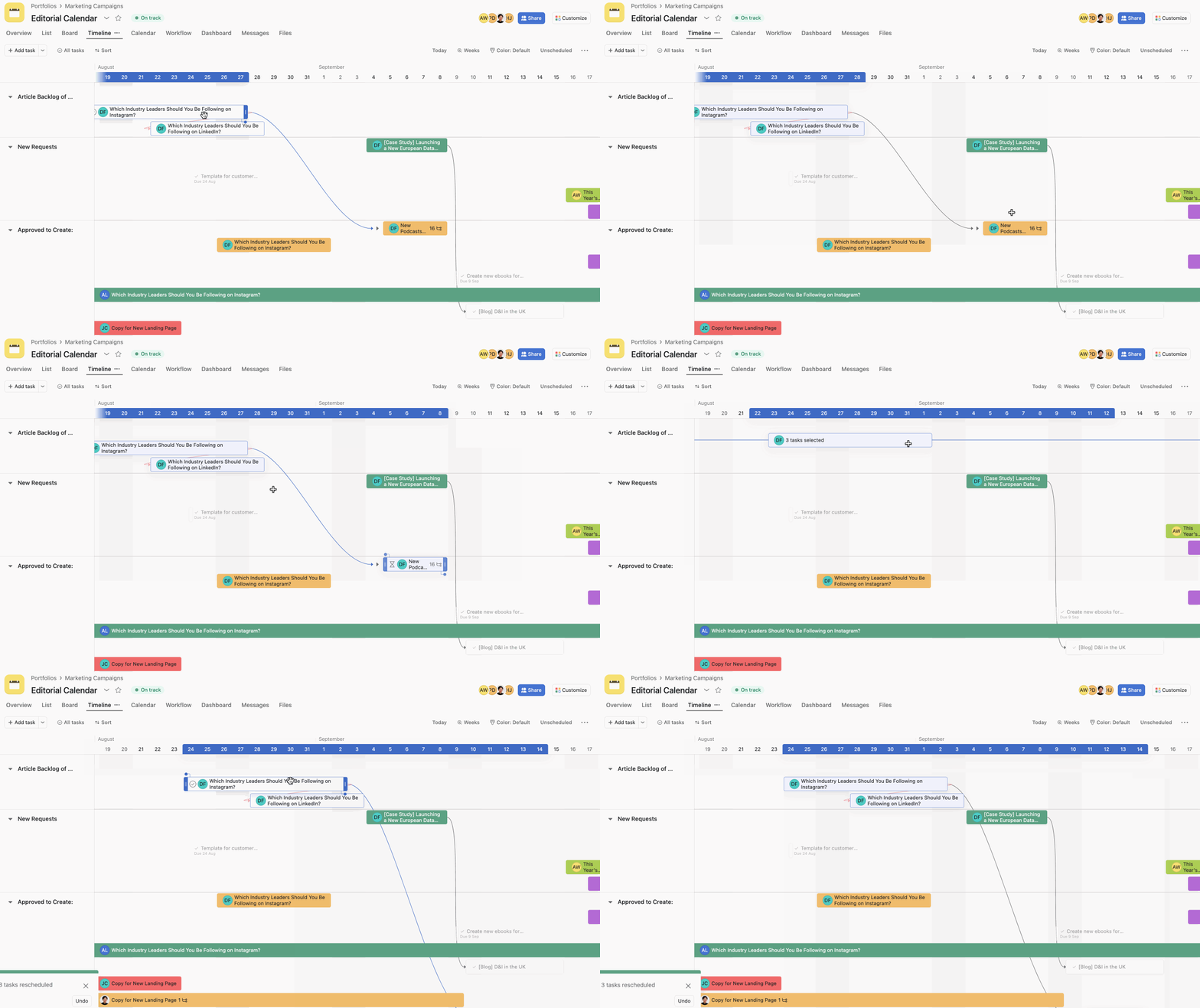
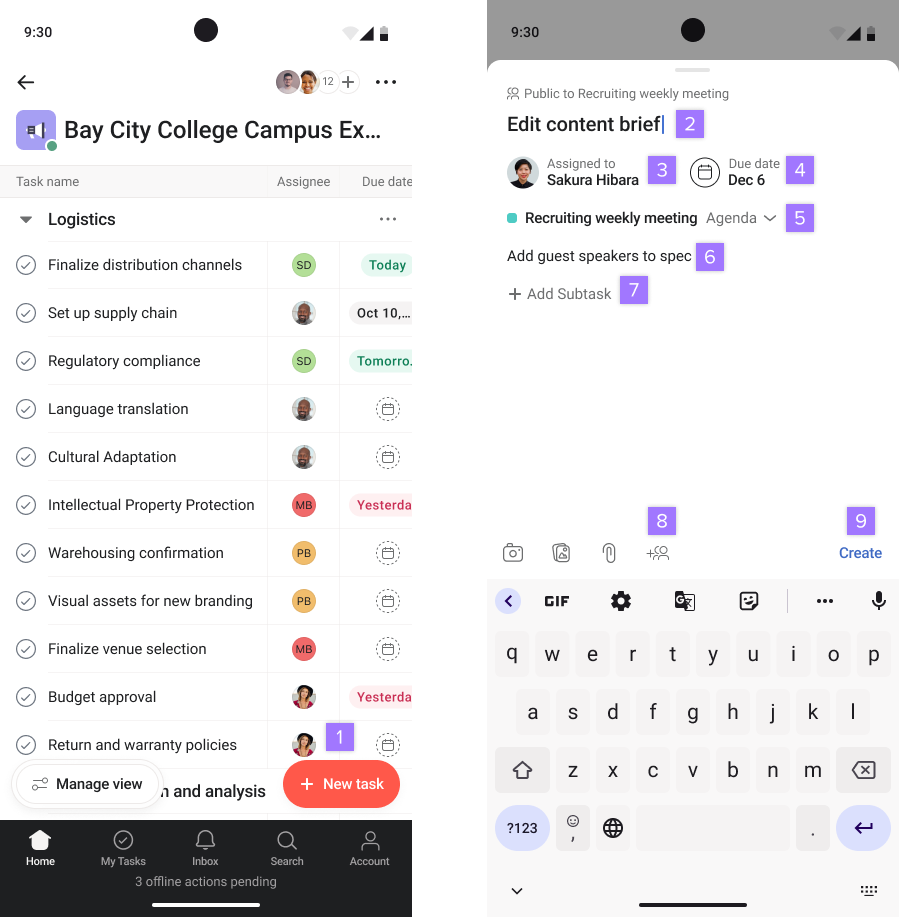
    What it does: A cloud project-management tool for organizing tasks, dependencies, timelines, visual boards/lists, tracking progress.
    Why it’s useful:

    • Helps keep track of who’s doing what by when — key for growing teams. (Technaureus)
    • Offers different views (lists, boards, timelines) so you can pick what fits your workflow.
      What to check:
    • If your workflows are very simple, the full feature set may be more than you need initially.
    • Ensure team adoption: tools only help if people actually use them consistently.
    • Integrations with Slack, Drive, etc make it more powerful.

    4. HubSpot CRM (Free CRM + Marketing Automation)

    Image
    Image
    Image
    Image
    Image
    Image

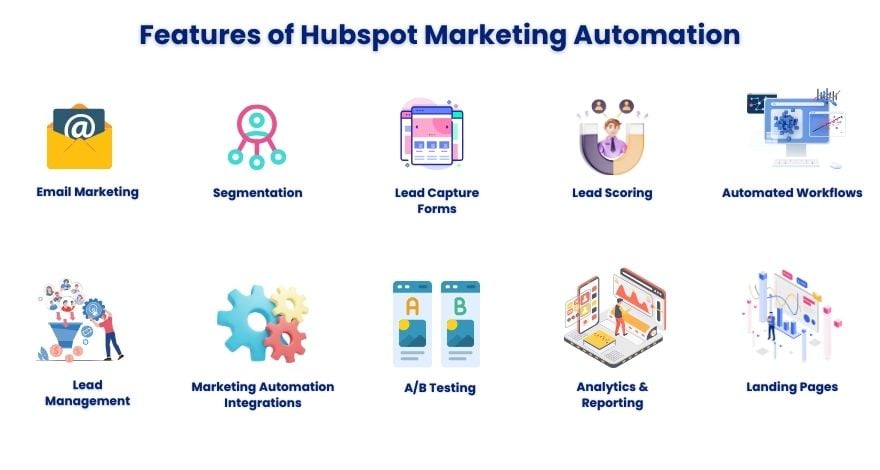
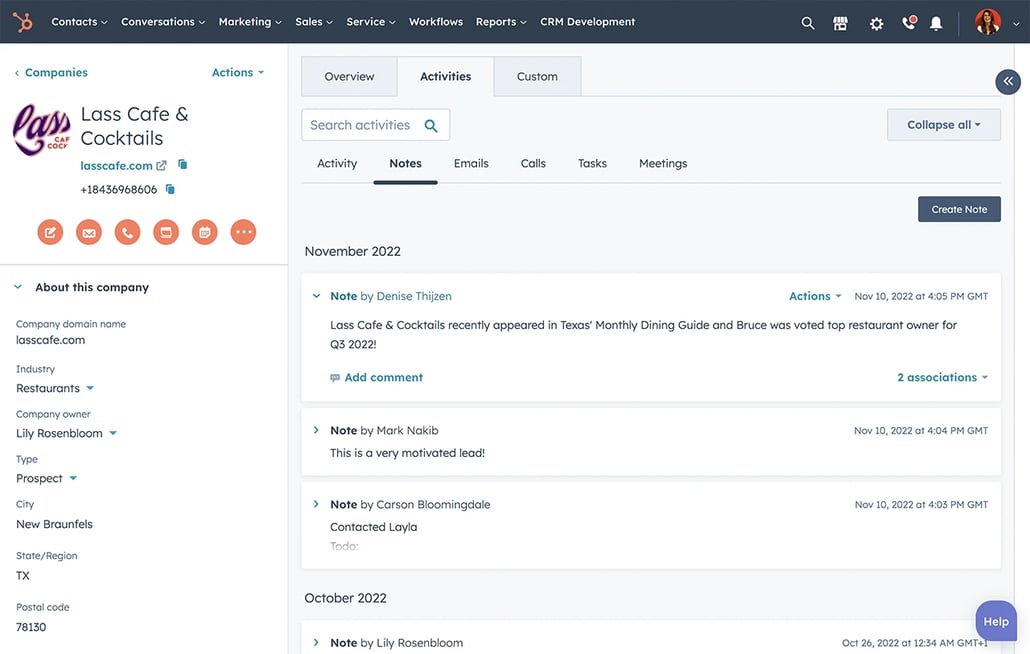
    What it does: Cloud-based Customer Relationship Management (CRM) platform with modules for sales, marketing, customer service. The base CRM is free; upgrades add automation and advanced features.
    Why startups should consider it:

    • Lets you start tracking leads, customer interactions and sales pipelines “from day one”.
    • Because it’s free for base users, you can test it before committing to paid tier.
      What to check:
    • Free tier limits: number of users, contacts, features.
    • When upgrading, make sure the cost-benefit is clear.
    • Integration with your website, email marketing, and other tools is key.

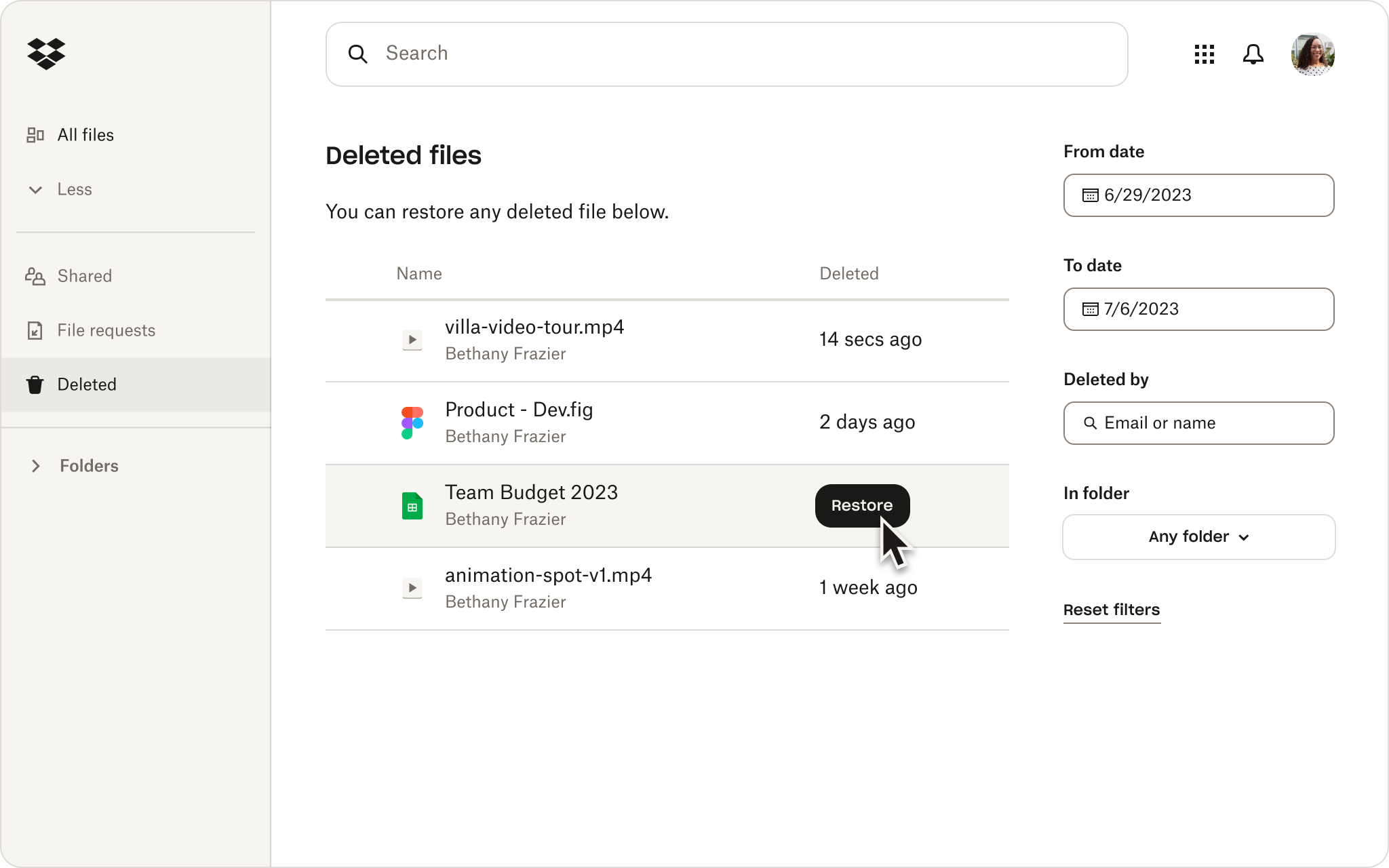
    5. Dropbox Business (Cloud Storage & File Management)

    Image
    Image
    Image
    Image
    Image
    Image

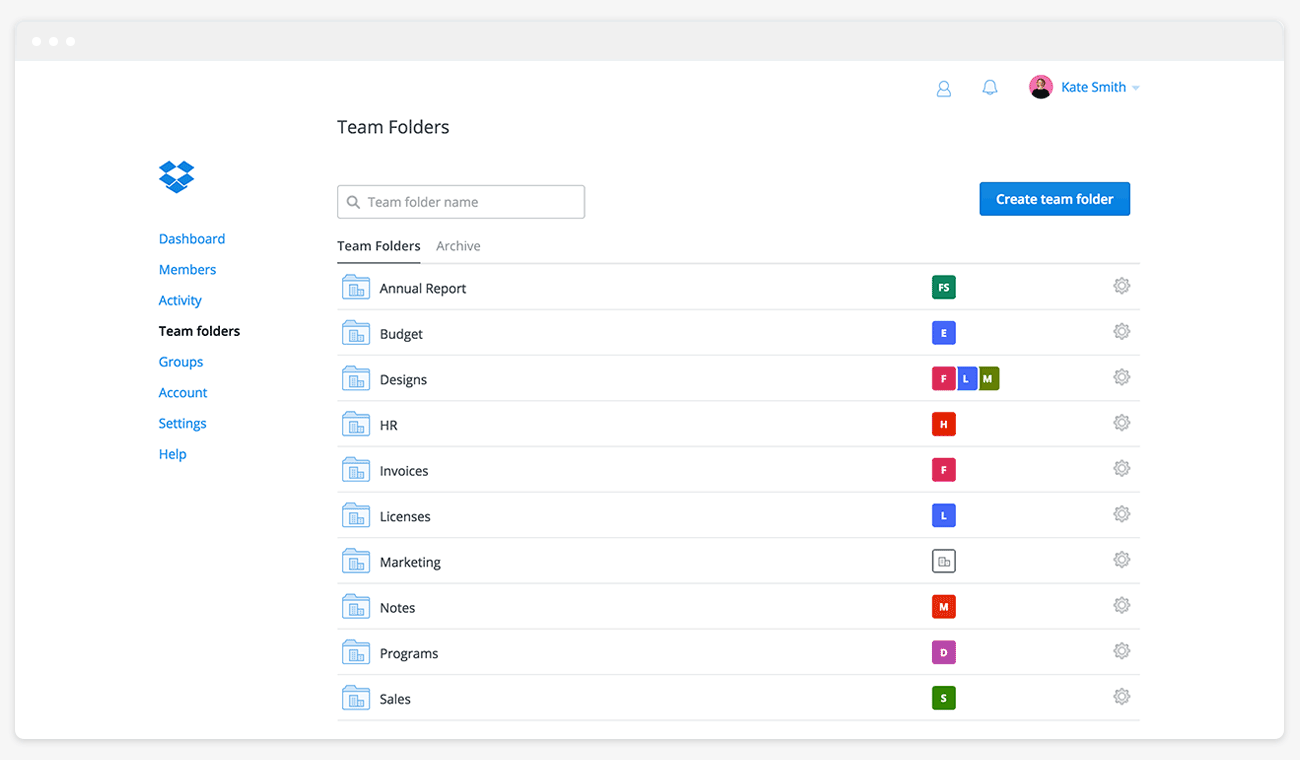
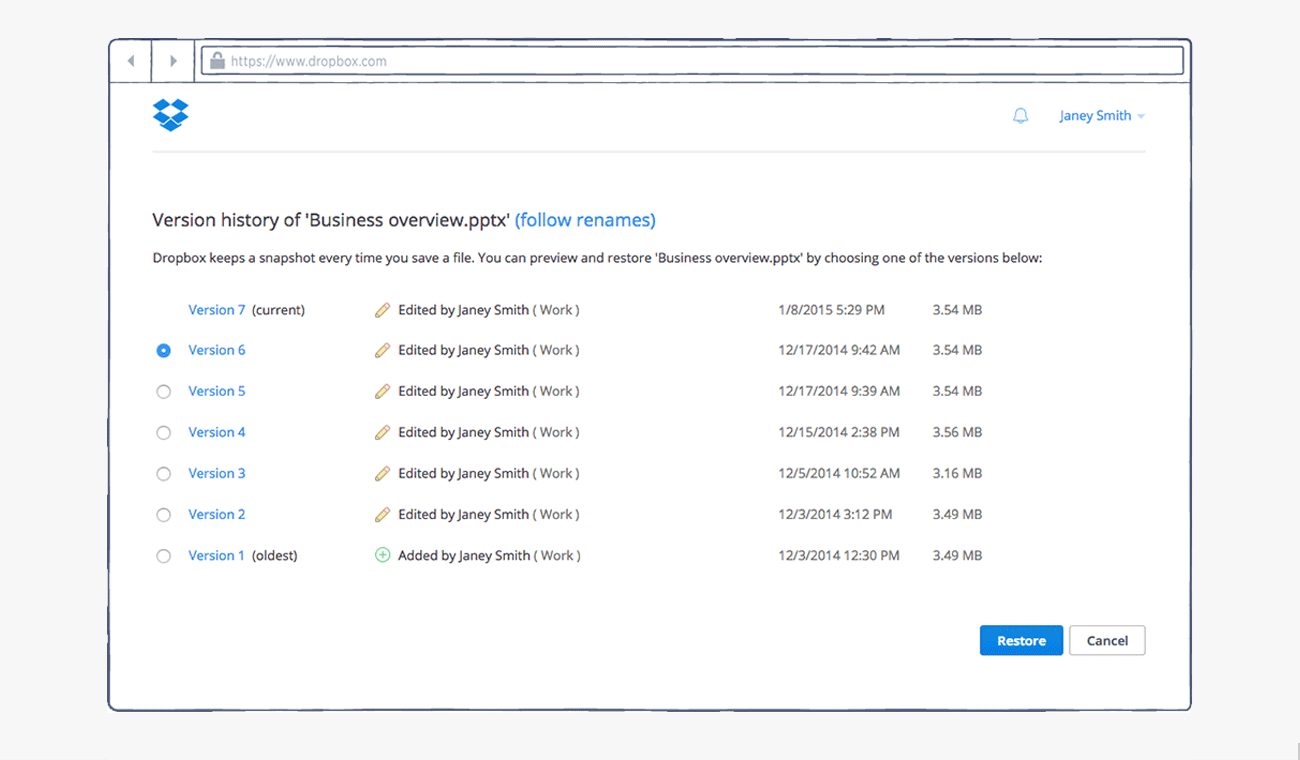
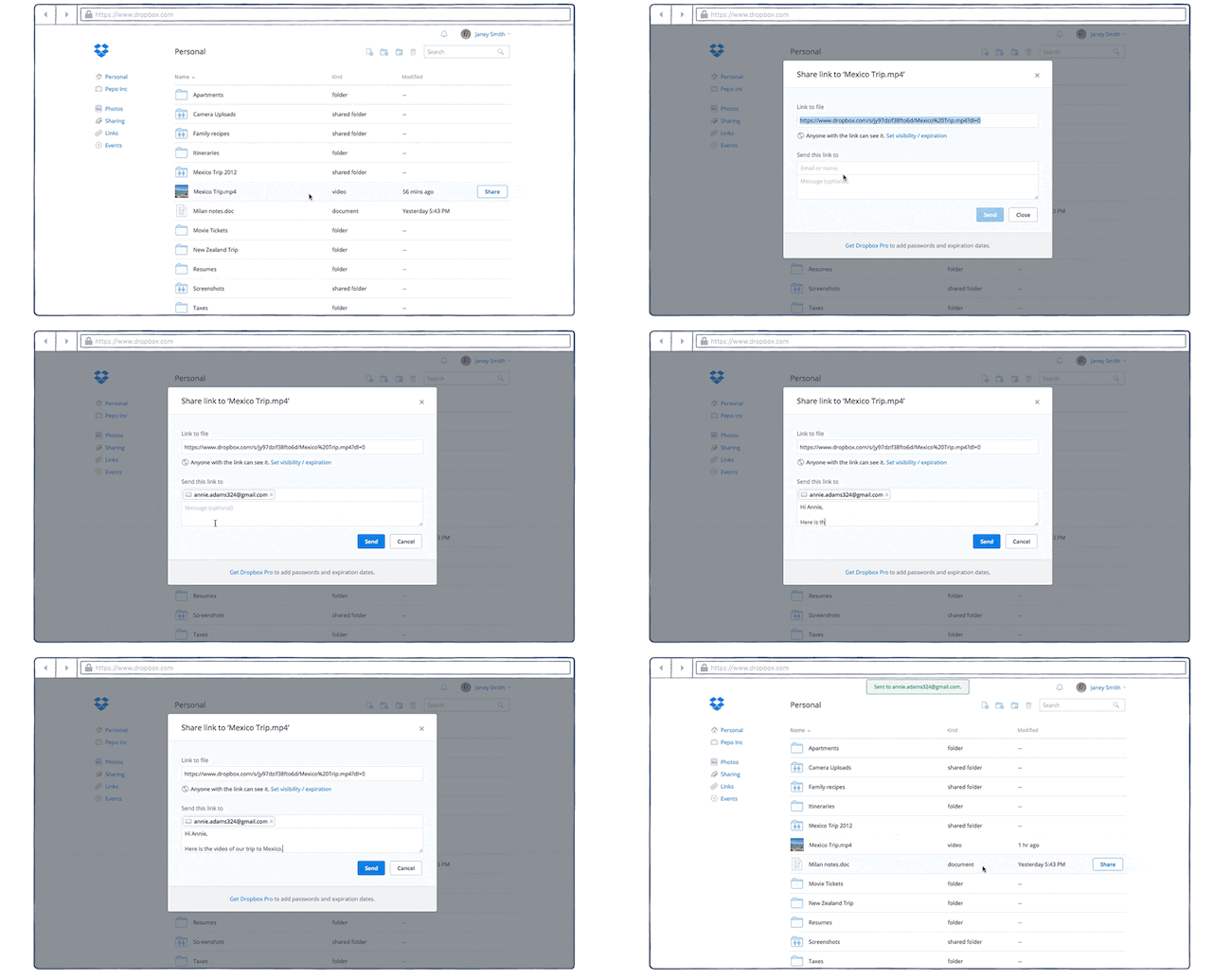
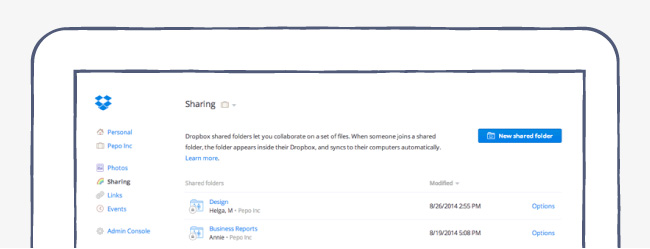
    What it does: Cloud file storage, sync across devices, team folders, versioning, sharing links.
    Why relevant for startups:

    • Startup teams often generate design assets, documents, presentations—having cloud storage helps with access and collaboration. (Technaureus)
    • Good backup and version history helps protect against accidental overwrites or data loss.
      What to check:
    • Storage cost: as you add files/users the cost grows—plan storage needs.
    • File organization and permissions: without structure you can get clutter quickly.
    • Integration: How well does it work with your other tools (Slack, Asana, etc)?

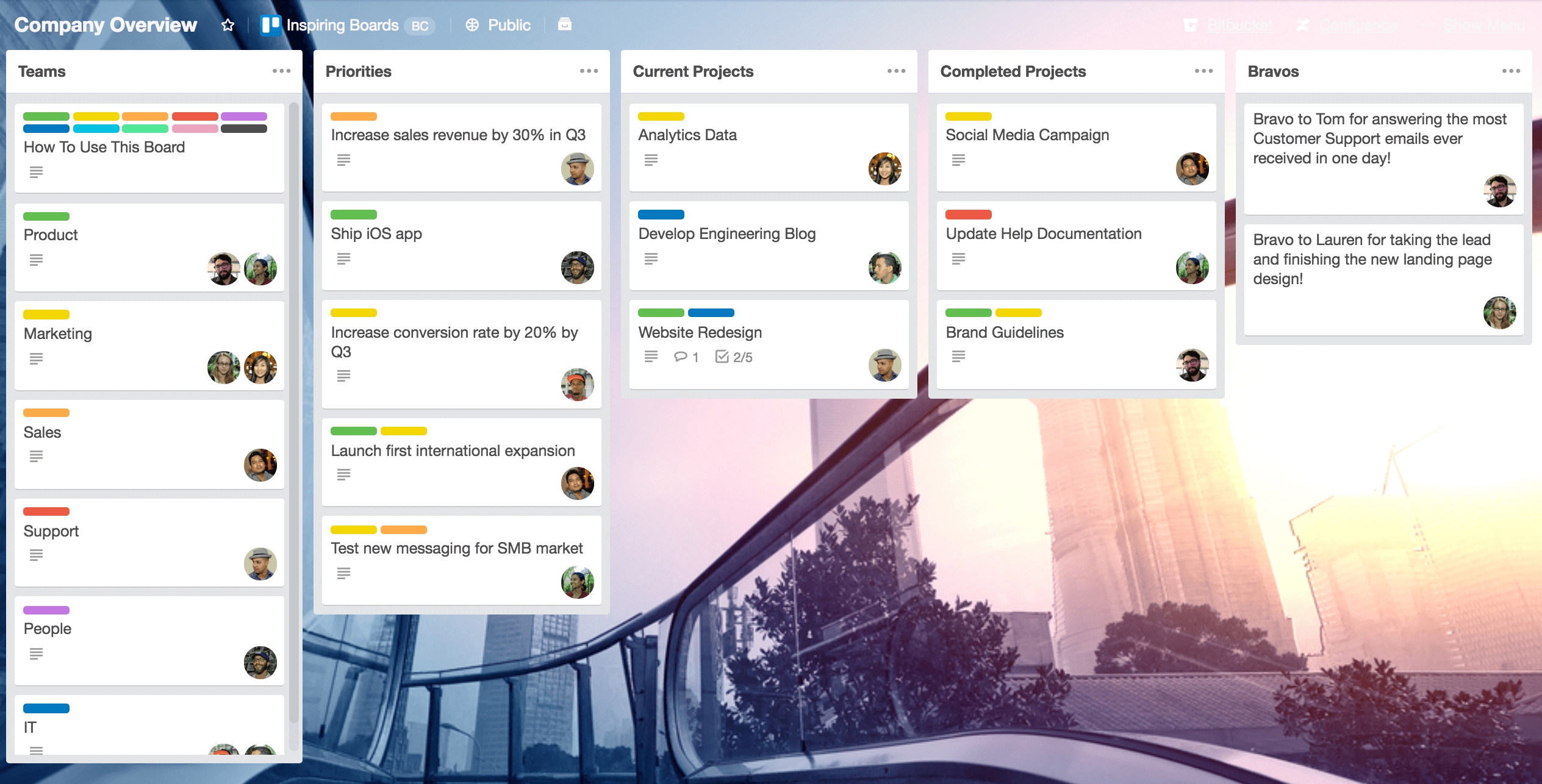
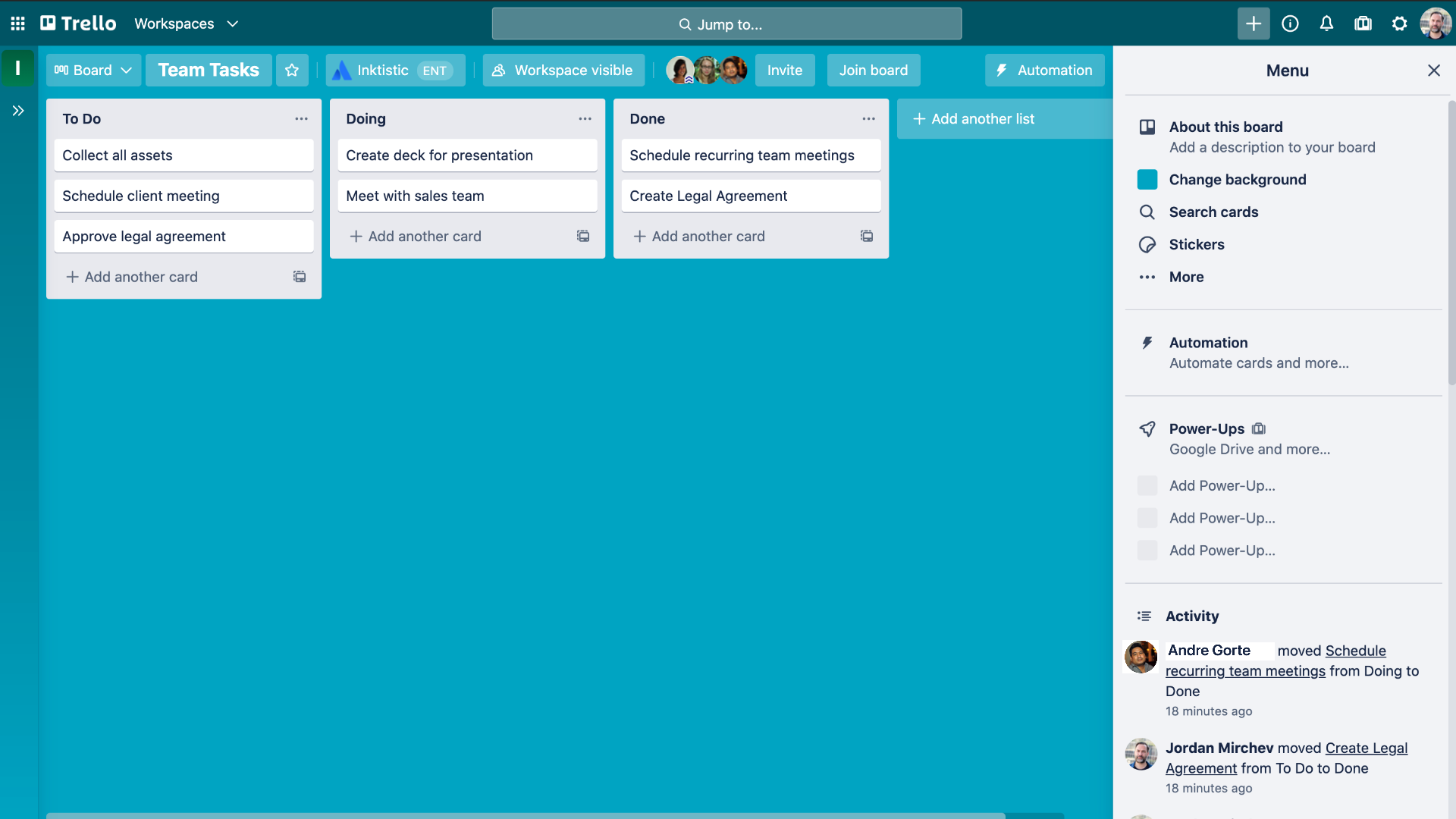
    6. Trello (Lightweight Visual Task/Board Tool)

    Image
    Image
    Image
    Image
    Image
    Image

    What it does: A Kanban-style cloud tool for tracking tasks, checklists, workflows visually.
    Why it works well for early stage startups:

    • Very easy to get started; minimal learning curve. (Technaureus)
    • Good for simple workflows and smaller teams without complex project-management needs.
      What to consider:
    • You may outgrow it: if tasks have many dependencies, deadlines, or resources you might need a more feature-rich tool.
    • Requires discipline: cards should be moved, updated consistently.
    • Data export: if you later migrate tools, make sure you can get your data out.

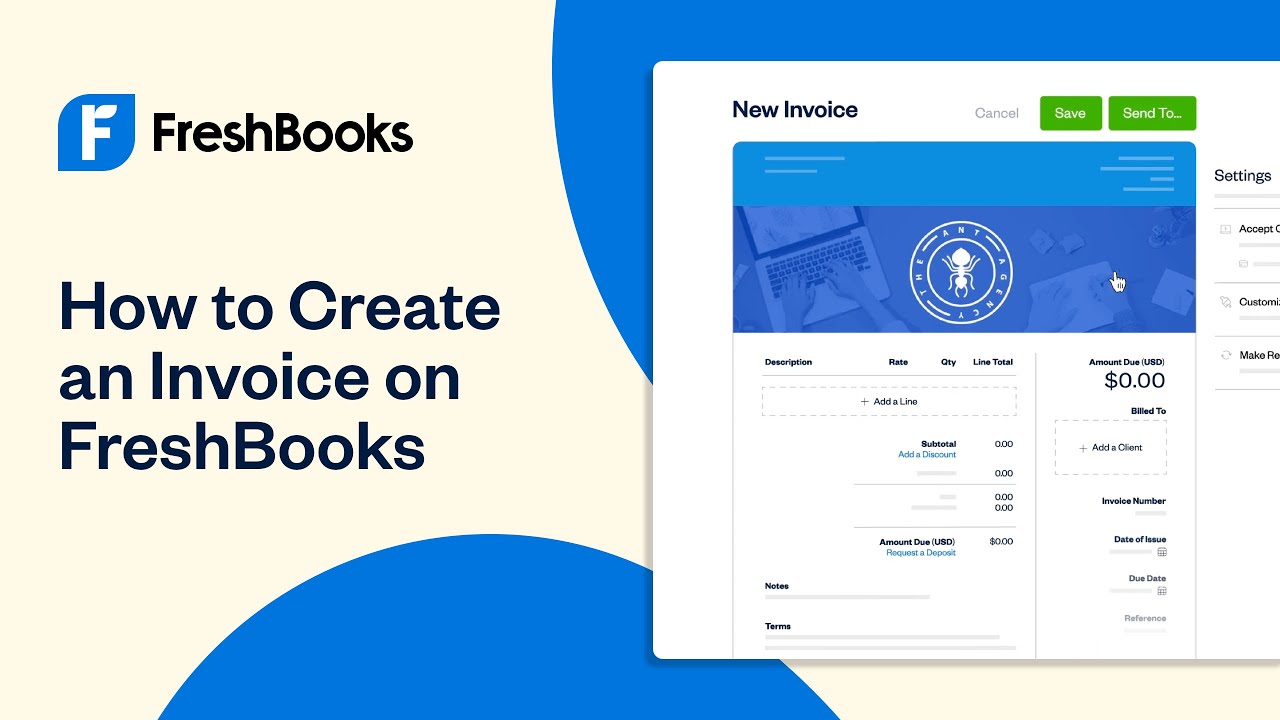
    7. QuickBooks Online / FreshBooks (Cloud Accounting & Finance)

    Image
    Image
    Image
    Image
    Image
    Image

    What they do:

    • QuickBooks Online: Full-featured cloud accounting for small/medium businesses (invoices, expenses, taxes, payroll).
    • FreshBooks: More focused on freelancers and service-based startups (time tracking, invoicing).
      Why important for startups:
    • Keeping your finances clear, organized and accessible is essential especially when you’re trying to grow or get investment.
    • Cloud means you can access from anywhere and share with accountants/bookkeepers easily.
      What to check:
    • Choose plan appropriate for your needs (employees, payroll, expenses).
    • Make sure proper user access and roles are set for financial data.
    • Integration with banks, payment gateways for smooth workflow.

    8. Microsoft Azure or Google Cloud Platform (Cloud Infrastructure & Scaling)

    Image
    Image
    Image
    Image
    Image
    Image

    What they do: Provide cloud compute infrastructure (servers, storage, databases, machine-learning tools, containers), enabling you to host your application or business systems.
    Why startups should care:

    • Gives you the ability to scale as you grow without owning physical servers. (Uplatz)
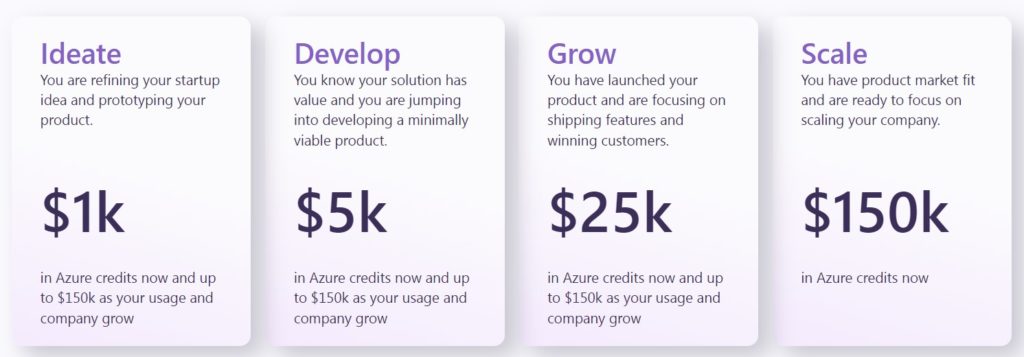
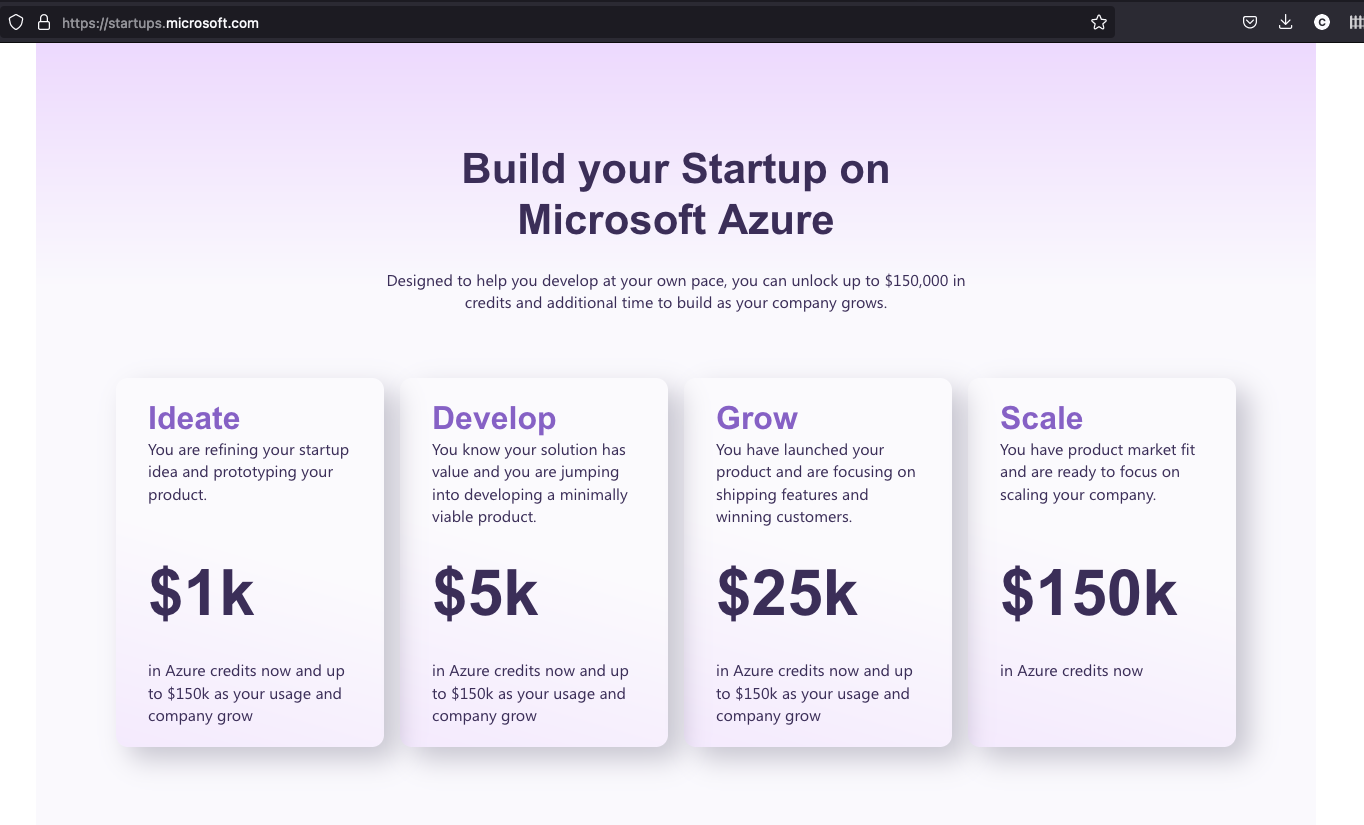
    • Many startup programs provide credits for early stage companies.
      What to consider:
    • Cloud costs can ramp quickly if not managed. Set budget alerts and monitor usage.
    • Ensure you have (or hire) someone who understands cloud architecture if your product is heavily cloud-based.
    • Security and compliance matter: ensure proper access controls, backups, and data protections.

    🧭 Summary Guide to Get Started

    Here’s a quick decision matrix to pick what to implement first:

    • If your team is scattered and collaboration is weak → Start with Google Workspace + Slack.
    • If you struggle linking tasks and deadlines → Add Asana or Trello.
    • If you don’t yet have CRM and marketing tracking → Consider HubSpot CRM.
    • If your financials are messy → Choose QuickBooks Online or FreshBooks.
    • If you have a product or app that needs hosting → Evaluate Azure or Google Cloud.
    • If design assets or files are scattered → Use Dropbox Business.

    ✅ Final Thoughts

    The right cloud tools can significantly reduce overhead, improve team alignment, and give you professional capability right from day one.
    But remember: tools don’t fix process — you also need to define how your team uses them, set structure, and monitor usage.
    Start lean, choose what solves your immediate pain point, then expand. As your startup grows, revisit your stack frequently to ensure each tool still fits and cost-makes sense.

  • Best Cloud-Based Business Tools for Startups in the USA


    1. Google Workspace (formerly G Suite)

    Image
    Image
    Image
    Image
    Image
    Image

    What it does: A comprehensive cloud productivity suite including Gmail (custom domain email), Google Drive (storage), Docs, Sheets, Slides (collaboration), Meet (video), and administrative tools.
    Why it’s useful for startups:

    • Enables remote/hybrid work by letting team members collaborate on documents in real-time. (Fueler)
    • Cost-effective for small teams, easy to set up and scale.
    • Integrates well with other cloud tools and extensions.
      What to consider:
    • Storage limits and tier changes — check what each pricing level gives you.
    • Ensure data-security and compliance (especially if you handle sensitive customer information).
    • Sometimes users prefer more advanced formatting or features (so evaluate if your startup has special needs).
    2. Slack (Team communication & collaboration)

    Image
    Image
    Image
    Image
    Image
    Image

    What it does: Cloud-based messaging and collaboration platform with channels, threads, file sharing, and many integrations with other tools.
    Why it’s useful:

    • Keeps team communication organized—reduces long email chains.
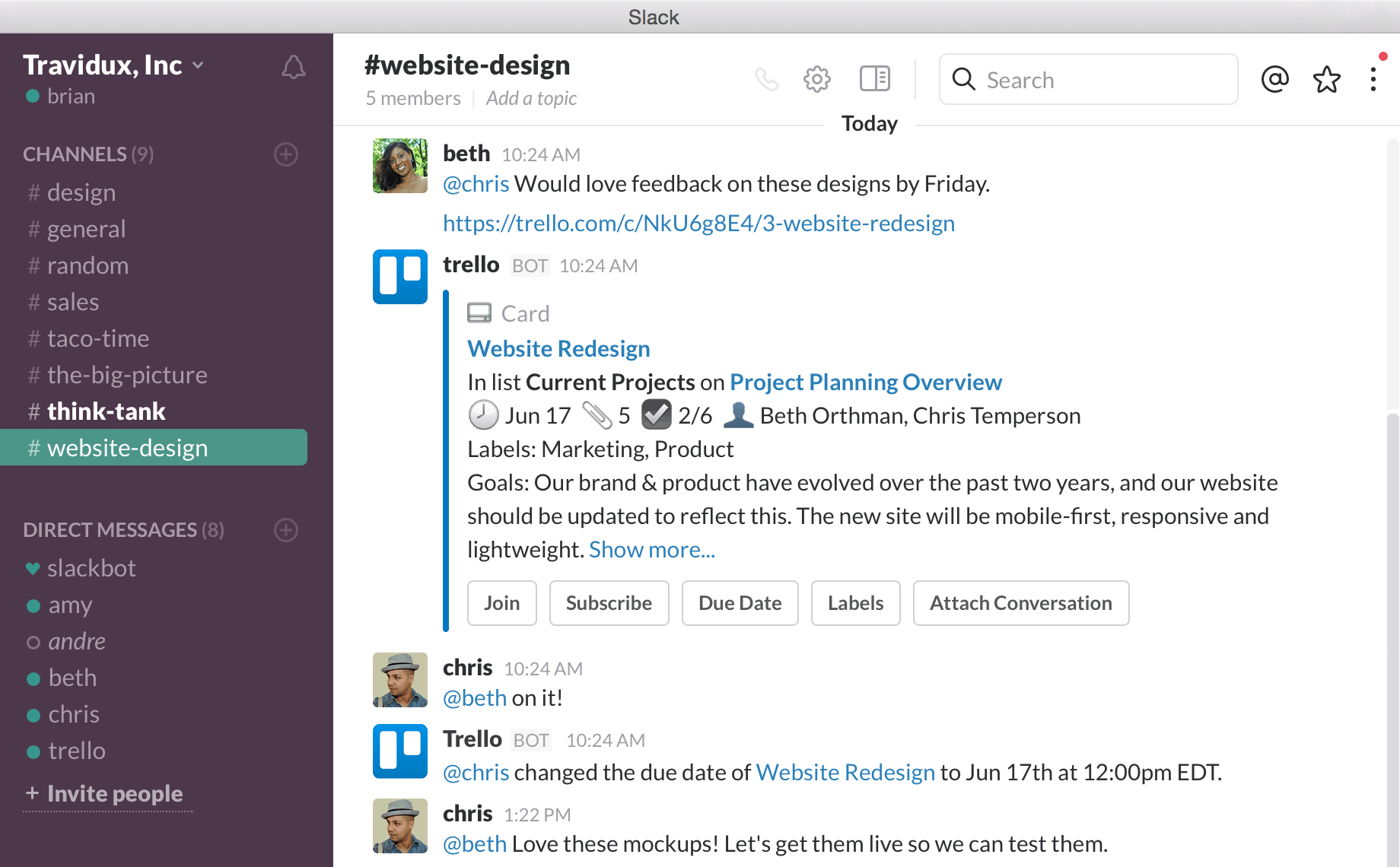
    • Supports integrations (for example with project management, files, notifications) so workflows become more streamlined. (Technaureus)
    • Helps distributed teams stay aligned.
      What to consider:
    • Slack can become noisy—be deliberate about how you structure channels and notifications.
    • Cost increases with team size—monitor user/seat pricing.
    • Ensure security settings are configured (especially if you share proprietary information).

    3. Asana (Project & task management)

    Image
    Image
    Image
    Image
    Image
    Image

    What it does: A cloud project-management tool that enables tasks, dependencies, timelines, shared boards/lists, team tracking.
    Why it’s useful:

    • Helps startups organize work—who is doing what, by when. (Osmos)
    • Visual views (boards, lists, timelines) aid clarity.
    • Often easier than heavier enterprise tools for smaller teams.
      What to consider:
    • For very simple workflows, Asana might be more than needed—opt for simpler tools initially if your team is small.
    • With growth, ensure you maintain structure (task assignments, ownership) so things don’t fall through cracks.
    • Integrations matter—make sure Asana works with your other tools (Slack, Drive, etc).

    4. QuickBooks Online / FreshBooks (Cloud accounting & finance)

    Image
    Image
    Image
    Image
    Image
    Image

    What they do:

    • QuickBooks Online: Full accounting software in cloud for small-medium businesses (invoices, expenses, payroll, tax reports).
    • FreshBooks: More targeted toward freelancers / service-based startups; simpler interface, invoicing/time-tracking focus. (Technaureus)
      Why they’re useful:
    • Maintains financial clarity from early on—critical for growth, investment readiness.
    • Cloud means your data is accessible anywhere, and you can outsource accounting/bookkeeping more easily.
      What to consider:
    • Choose the tier that supports payroll/expenses/taxes if you have employees.
    • Make sure you set up appropriate access rights and backup/data export options.
    • If your startup has complex finance requirements (multi-entity, multiple currencies), check for those features.

    5. HubSpot CRM (Free CRM + Marketing automation)

    Image
    Image
    Image
    Image
    Image
    Image

    What it does: A cloud-based CRM (customer relationship management) tool with free tier, and optional modules for sales, marketing automation, customer service.
    Why it’s useful:

    • Lets startups track leads, customer interactions, pipelines early—building good habits.
    • Free tier reduces upfront cost; you can upgrade as you grow.
      What to consider:
    • Free tier limits—read what is included (users, contacts, features).
    • As you scale, make sure you don’t become locked into a tier that lacks features you need.
    • Integrations with your website, email tools, and other systems matter.

    6. Dropbox (Cloud storage & file management)

    Image
    Image
    Image
    Image
    Image
    Image

    What it does: Cloud file storage, sharing, syncing across devices, version history, team folder features.
    Why useful:

    • Startups often need shared access to documents, designs, assets; cloud storage makes that simpler. (ZenBusiness)
    • Secure backups, file versioning protects against loss or mistakes.
      What to consider:
    • Storage cost grows as you add files/users—plan accordingly.
    • File organization and permissions are critical—without discipline you can end up with chaos.
    • Integration with other tools (e.g., Slack, project management) can boost productivity.

    7. Trello (Lightweight visual task/board tool)

    Image
    Image
    Image
    Image
    Image
    Image

    What it does: A cloud-based Kanban board style tool for organizing tasks, workflows, checklists, simple projects.
    Why it’s useful:

    • Extremely easy to set up—great for early stage teams or simple workflows. (Technaureus)
    • Visual & intuitive; can help non-technical founders track progress.
      What to consider:
    • For more complex workflows (dependencies, timeline, resources) you may outgrow it—plan accordingly.
    • Requires consistent usage to be effective (cards moved, tasks updated).
    • Ensure data export/back-up if you later migrate to a more advanced tool.

    8. Microsoft Azure or Google Cloud Platform (Cloud infrastructure & scaling)

    Image
    Image
    Image
    Image
    Image
    Image

    What they do: Cloud infrastructure platforms offering compute, storage, analytics, container management, machine-learning services, etc.
    Why startups need them:

    • Enables scalability—when your startup grows you don’t need to worry about on-prem servers. (Google Cloud)
    • Many programs provide startup credits, making early cost lower.
      What to consider:
    • Cost planning is essential—cloud usage can ramp quickly if uncontrolled.
    • Skill/bootstrapping: ensure you have or can hire people who understand cloud setup/architecture (or use simplified services).
    • Security, compliance, data protection must be planned from early on.

    ✅ Summary Table

    Business NeedRecommended Tool
    Productivity & collaborationGoogle Workspace
    Team communicationSlack
    Project / Task managementAsana or Trello
    Accounting & financeQuickBooks Online / FreshBooks
    CRM & marketing automationHubSpot CRM
    Cloud storage & file sharingDropbox
    Lightweight workflow toolTrello
    Cloud infrastructure & scaleAzure / Google Cloud Platform

    🧭 How to Choose the Right Mix for Your Startup

    • Start with your biggest pain point. If your team is scattered and communication is weak → start with Workspace + Slack. If your sales process is manual → start with HubSpot CRM.
    • Pick tools you can grow into. Free tiers and inexpensive plans help early on, but ensure the tool’s scaling options won’t cripple you later.
    • Integrations matter. The more your tools “talk” to each other, the less friction your team will face.
    • Cost control from day one. Monitor user seats, storage, usage; as you scale you don’t want surprise bills.
    • Onboarding and training. A tool is only as good as your team using it correctly. Set up best practices early.
    • Data security & compliance. Even early-stage startups need to think about data protection especially if you handle customer data.
    • Review periodically. As you grow, revisit your tool-stack: what works now may not suffice in six months.
  • Top 10 SaaS Companies in the USA Revolutionizing Business in 2025


    1. Salesforce, Inc.

    Image
    Image
    Image
    Image
    Image
    Image

    Why it matters:
    Founded in 1999 and headquartered in San Francisco, Salesforce is a major cloud- and SaaS-company focused on CRM, customer service, marketing automation and embedded AI. (Wikipedia)
    In 2025 it continues to lead in enterprise applications, helping businesses manage customer relationships and data at scale.
    Key impact: Enables companies to unify sales, support and marketing workflows; uses AI to drive insights; gives a platform that many businesses build on.


    2. Microsoft Corporation

    Image
    Image
    Image
    Image
    Image
    Image

    Why it matters:
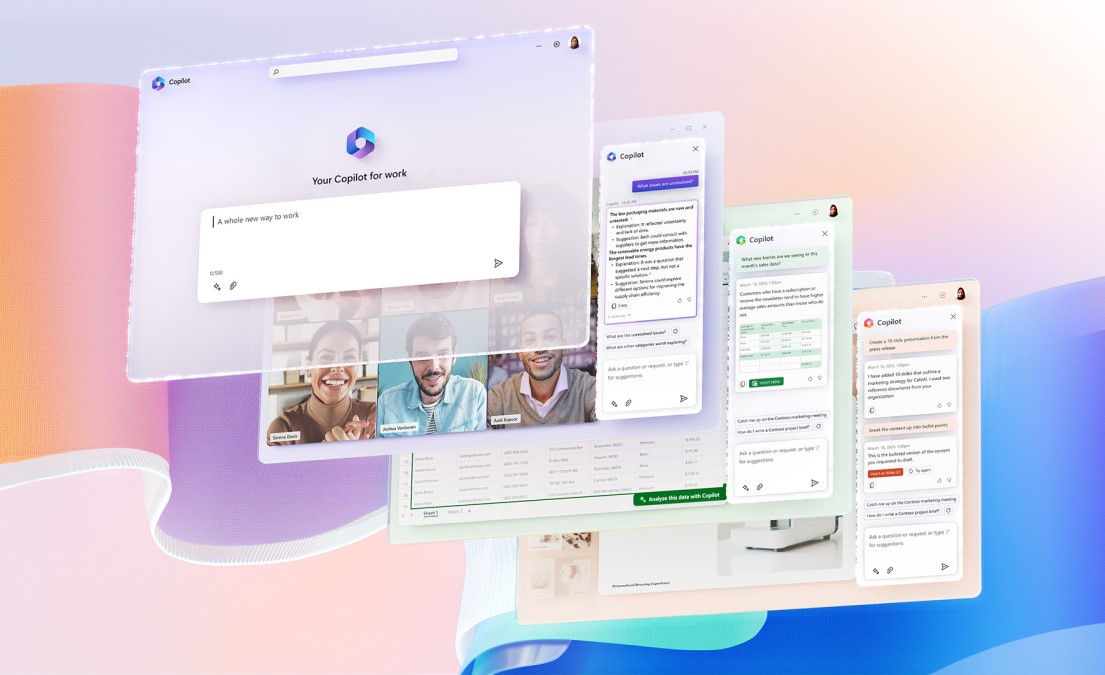
    While Microsoft is broader than just SaaS, its SaaS-offerings (Microsoft 365, Dynamics 365, Azure cloud services) dominate productivity, collaboration and business applications. (TechDataPark)
    Key impact: For businesses of all sizes, Microsoft provides the backbone of productivity tools and cloud infrastructure, enabling remote/hybrid work, analytics and modern workflows.


    3. Adobe Inc.

    Image
    Image
    Image
    Image
    Image
    Image

    Why it matters:
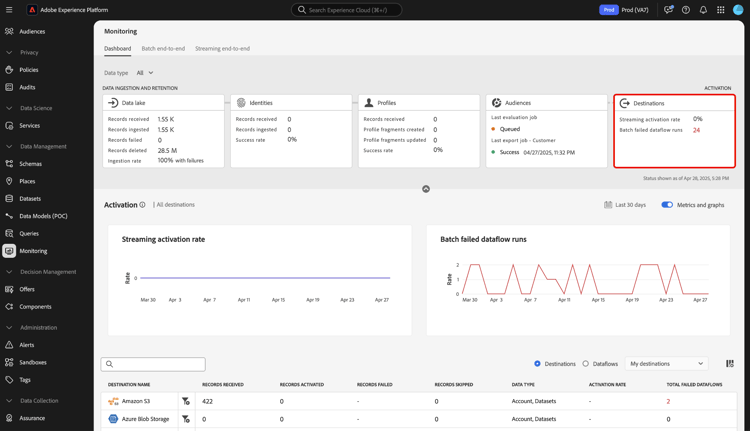
    Adobe has transitioned heavily into SaaS through Creative Cloud, Document Cloud and Experience Cloud. In 2025 they are strong in marketing, content creation and analytics. (Techimply)
    Key impact: Helps businesses (and creatives) produce high-quality content, manage client engagement and brand experiences — important in the era of digital marketing and content-driven business.


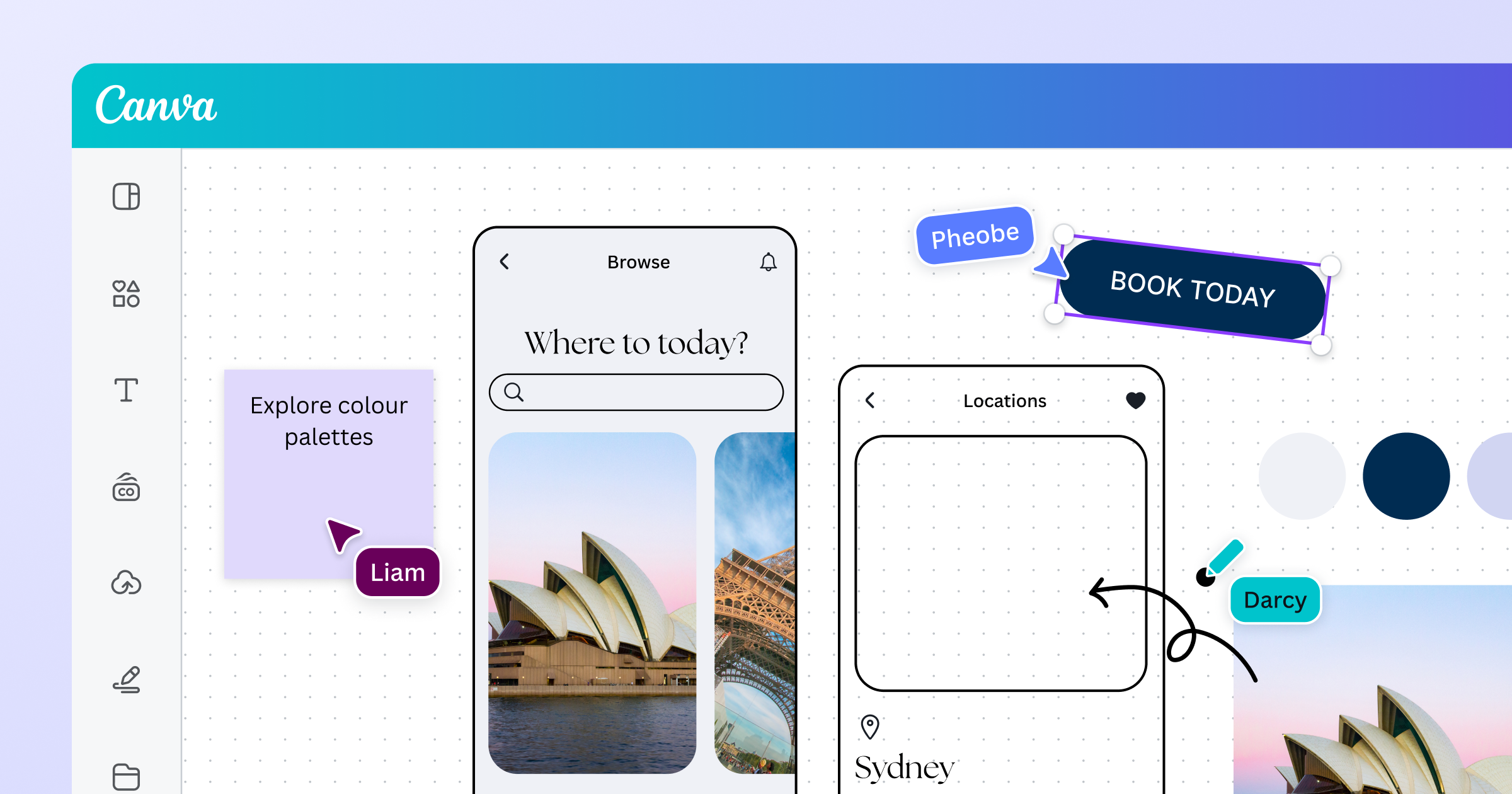
    4. Canva Pty Ltd

    Image
    Image
    Image
    Image
    Image
    Image

    Why it matters:
    According to a 2025 ranking, Canva was the #1 most popular SaaS tool with huge growth in traffic and searches. (DesignRush)
    Key impact: For small businesses and startups especially, Canva democratizes design—enabling teams without large design departments to produce visuals, marketing materials and branded content quickly and affordably.


    5. Domo, Inc.

    Image
    Image
    Image
    Image
    Image
    Image

    Why it matters:
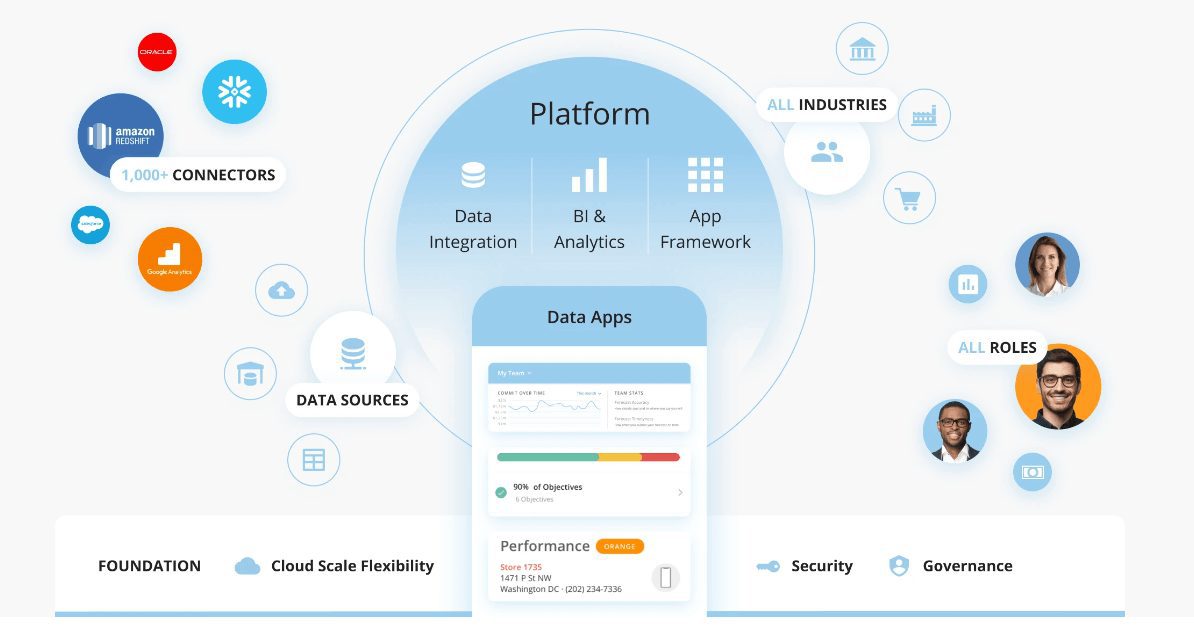
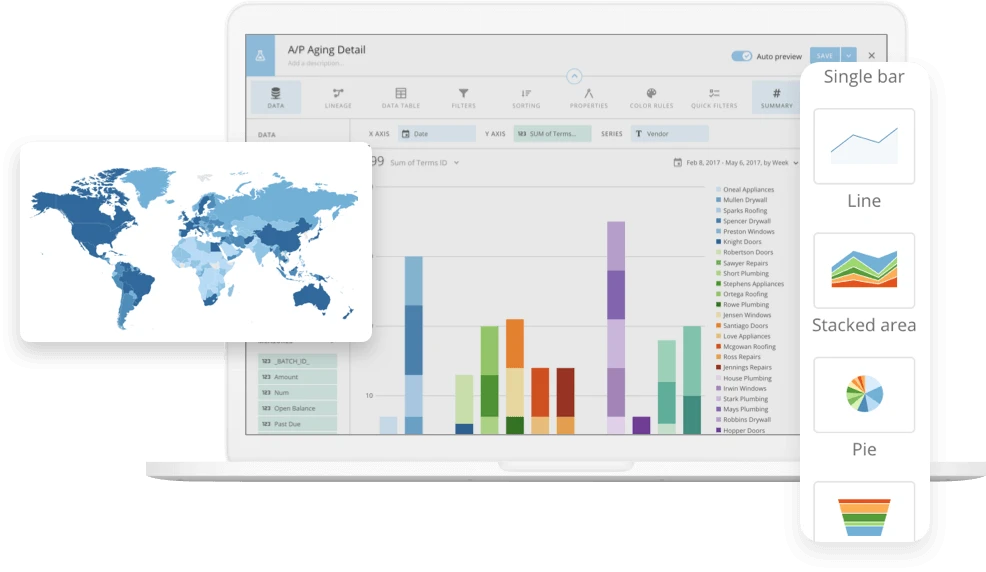
    Domo is a U.S.-based SaaS company offering business intelligence, data visualization and real-time analytics. (Wikipedia)
    Key impact: In 2025, businesses demand data-driven decision-making more than ever. Domo helps organizations bring data from multiple sources into dashboards and insights, key for agility.


    6. Unqork

    Image
    Image
    Image
    Image
    Image
    Image

    Why it matters:
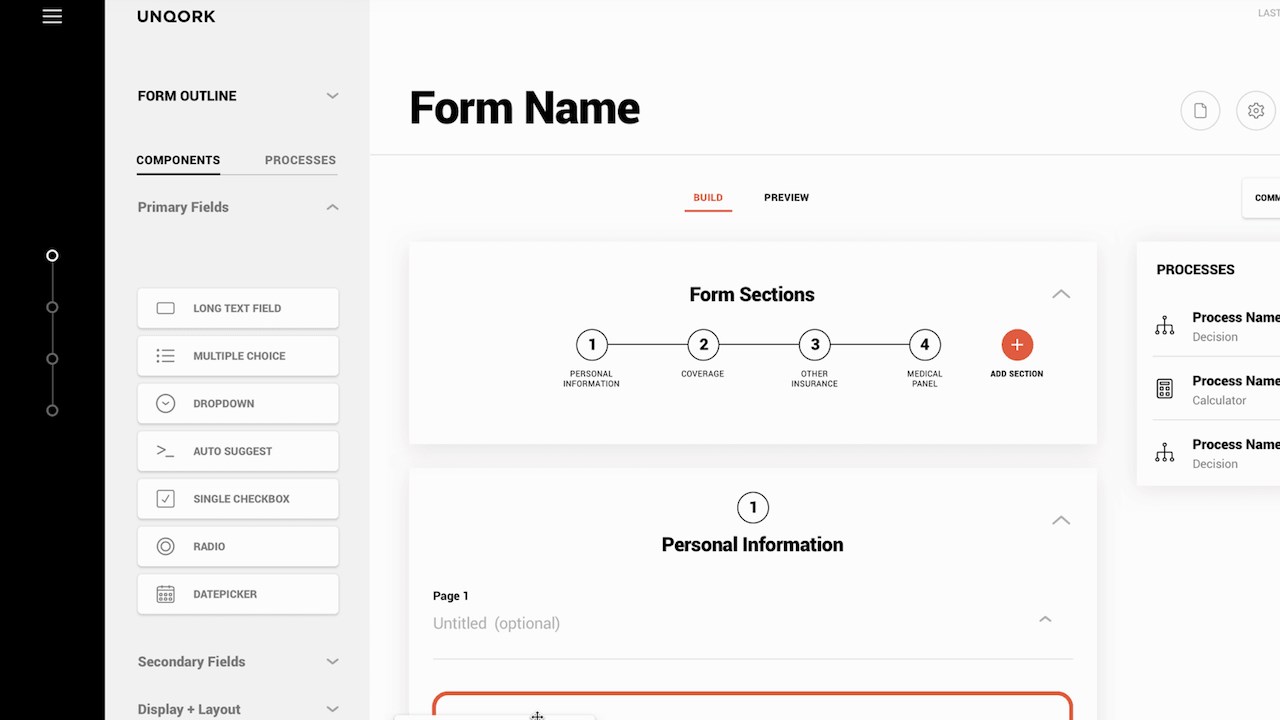
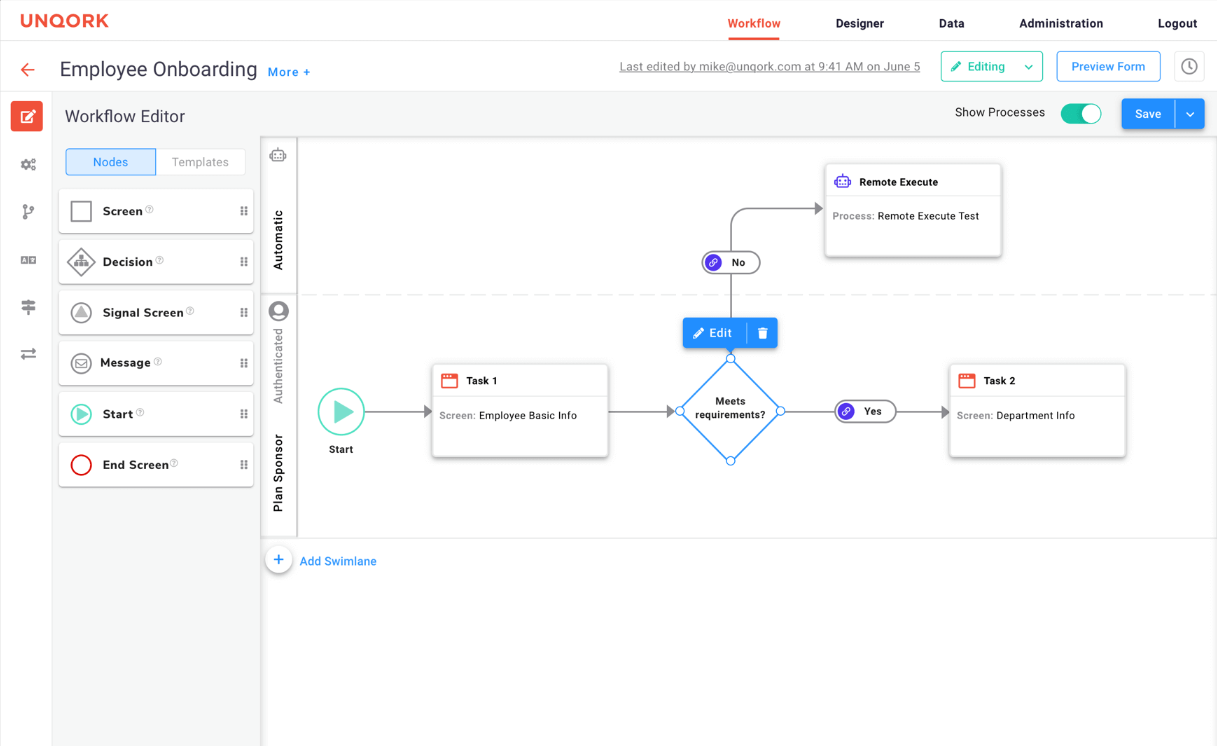
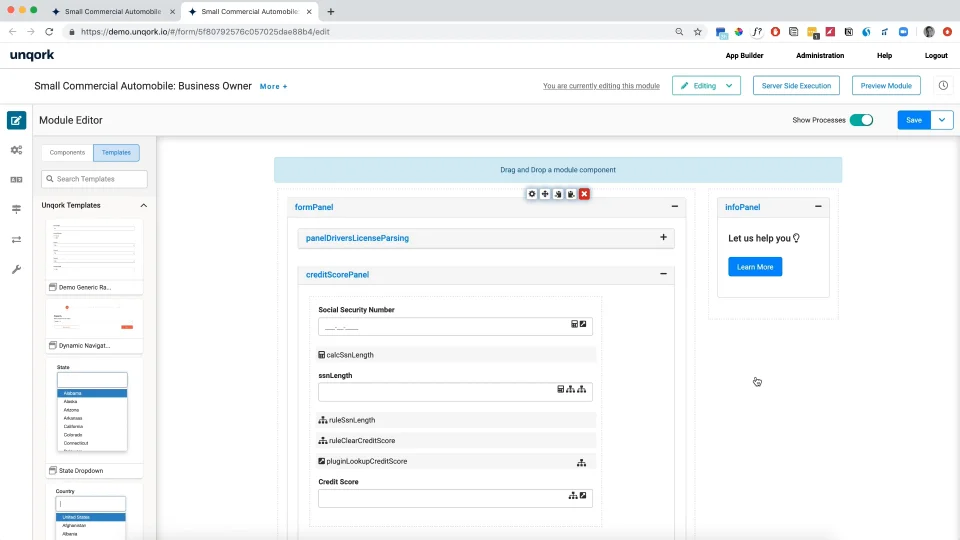
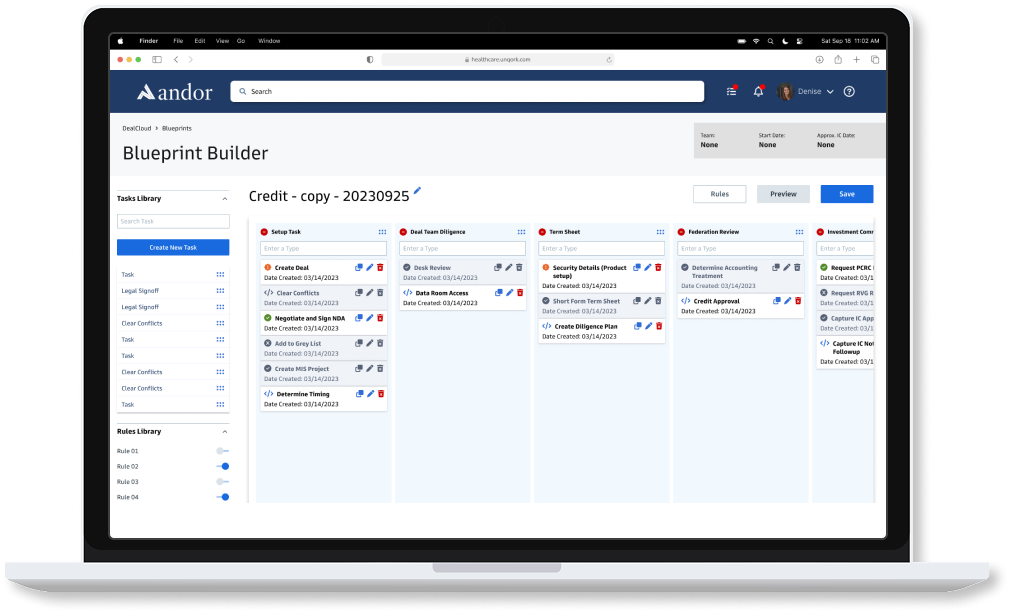
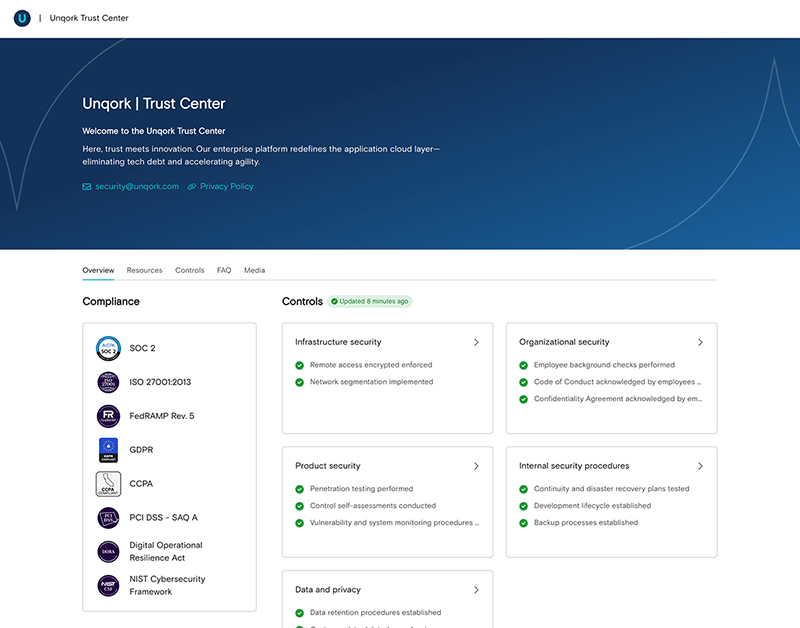
    Unqork is a no-code/low-code SaaS platform (US-based) that enables enterprise-grade applications (esp. in regulated industries) without heavy coding. (Tech Talks Today)
    Key impact: Enables companies to build custom software faster, with less dependency on developer resources. That flexibility matters in 2025 when speed and innovation are competitive advantages.


    7. Klaviyo, Inc.

    Image
    Image
    Image
    Image
    Image
    Image

    Why it matters:
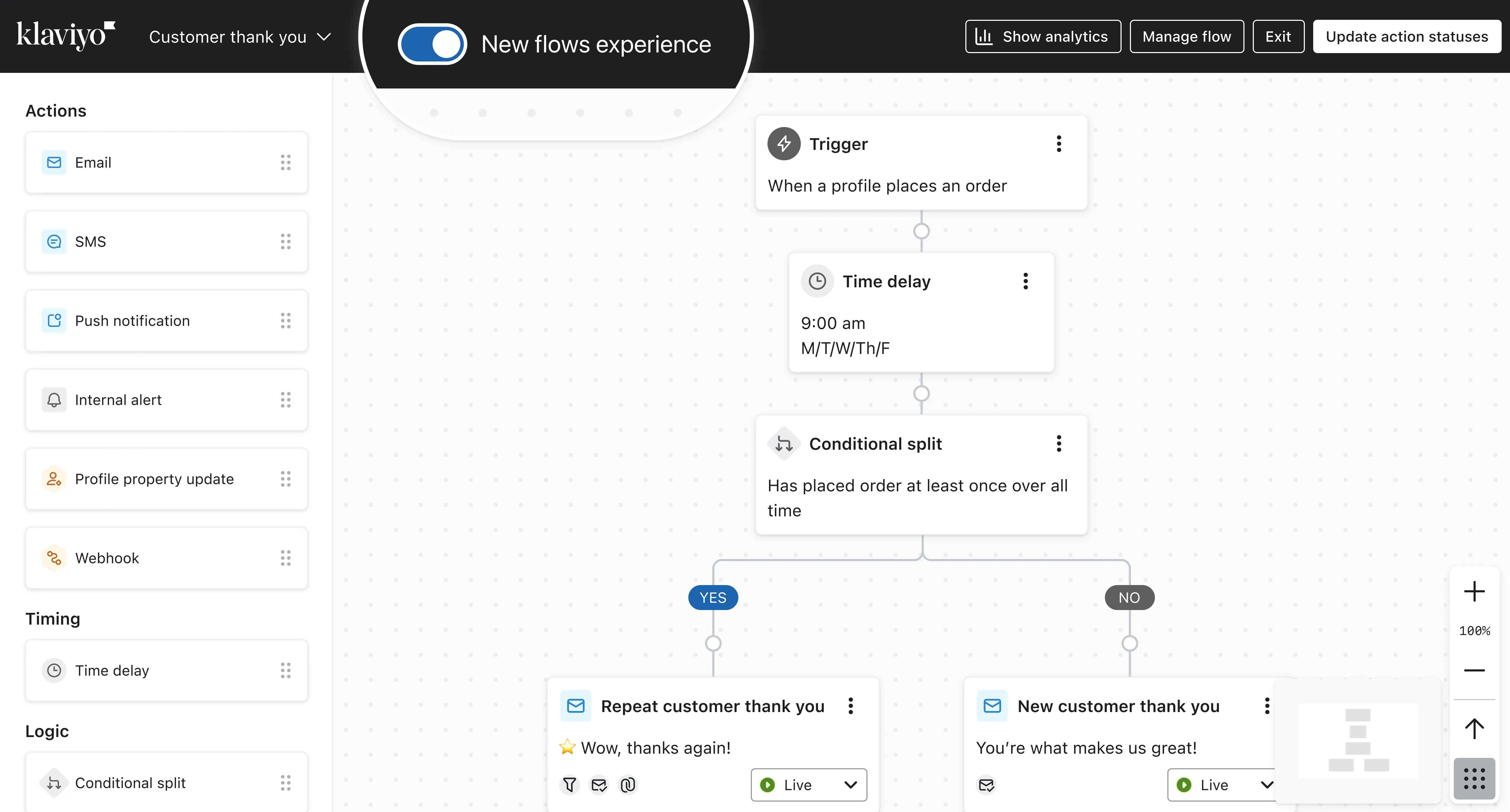
    Klaviyo is a marketing automation & customer data/CRM platform for consumer brands. It’s a strong U.S. SaaS company growing rapidly. (Omnius)
    Key impact: Allows direct-to-consumer brands to scale personalized marketing (email, SMS) using data-driven automation — critical in a digital economy.


    8. Stripe, Inc.

    Image
    Image
    Image
    Image
    Image
    Image

    Why it matters:
    While primarily a payments and fintech platform, Stripe’s SaaS-style offerings (billing, subscriptions, APIs) have revolutionized how businesses manage revenue and monetization. Listed among top fast-growing SaaS companies. (Green Flag Digital)
    Key impact: Enables companies to go global, scale revenue models, and adopt subscription economies — increasingly important in 2025’s business landscape.


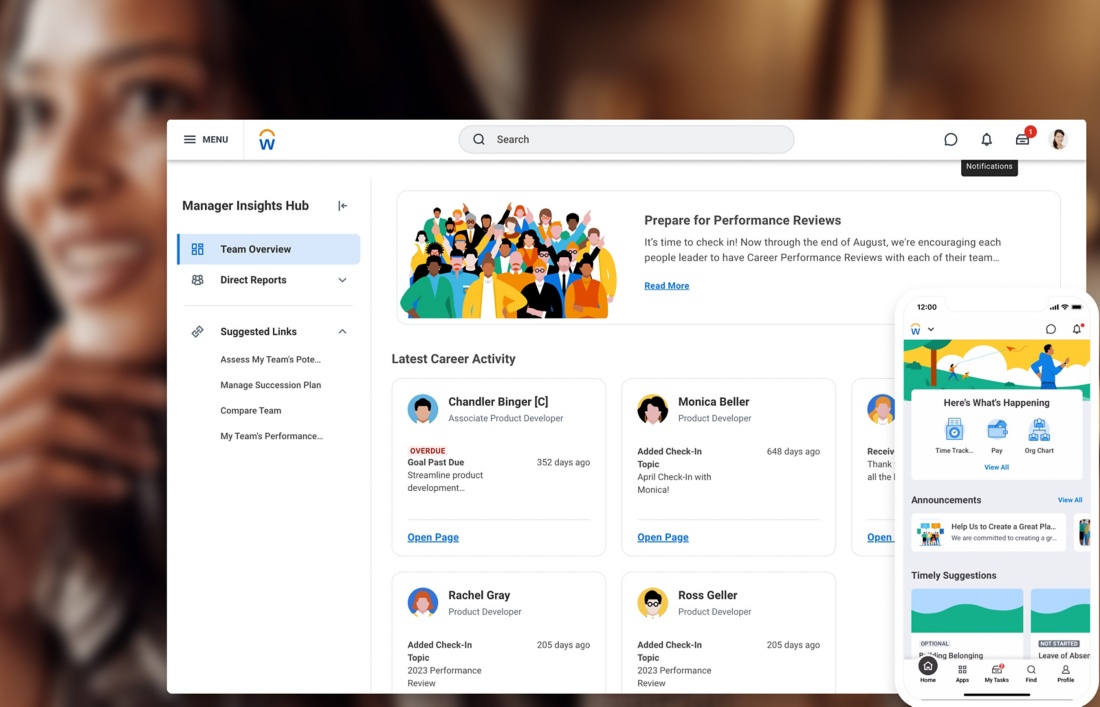
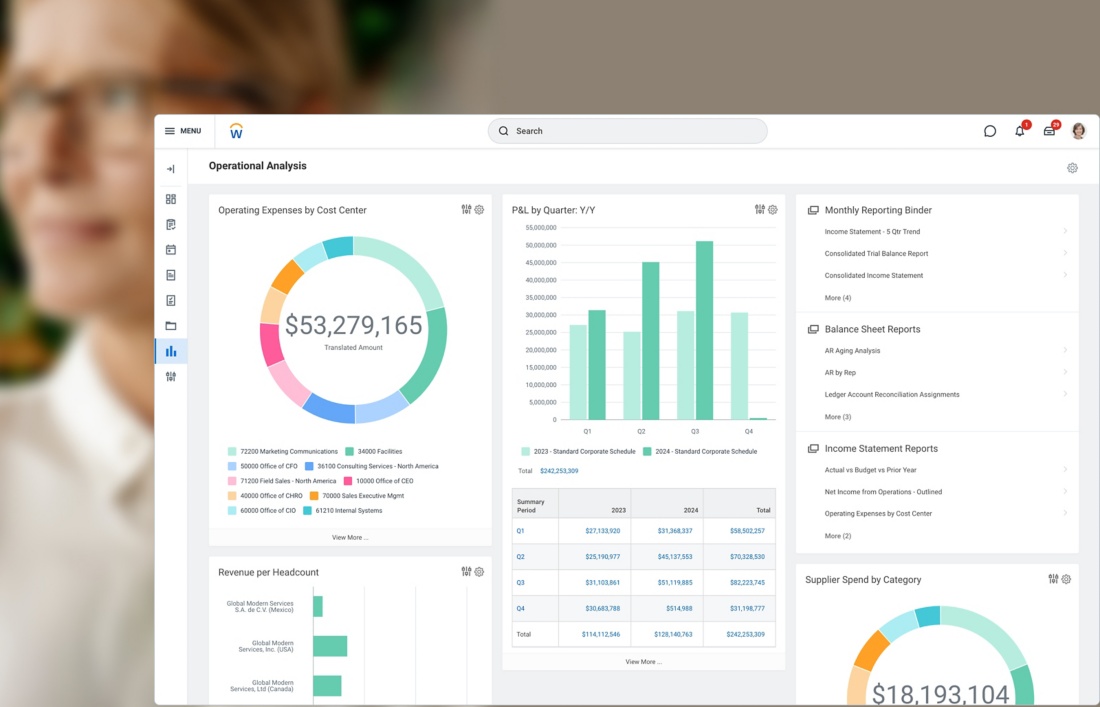
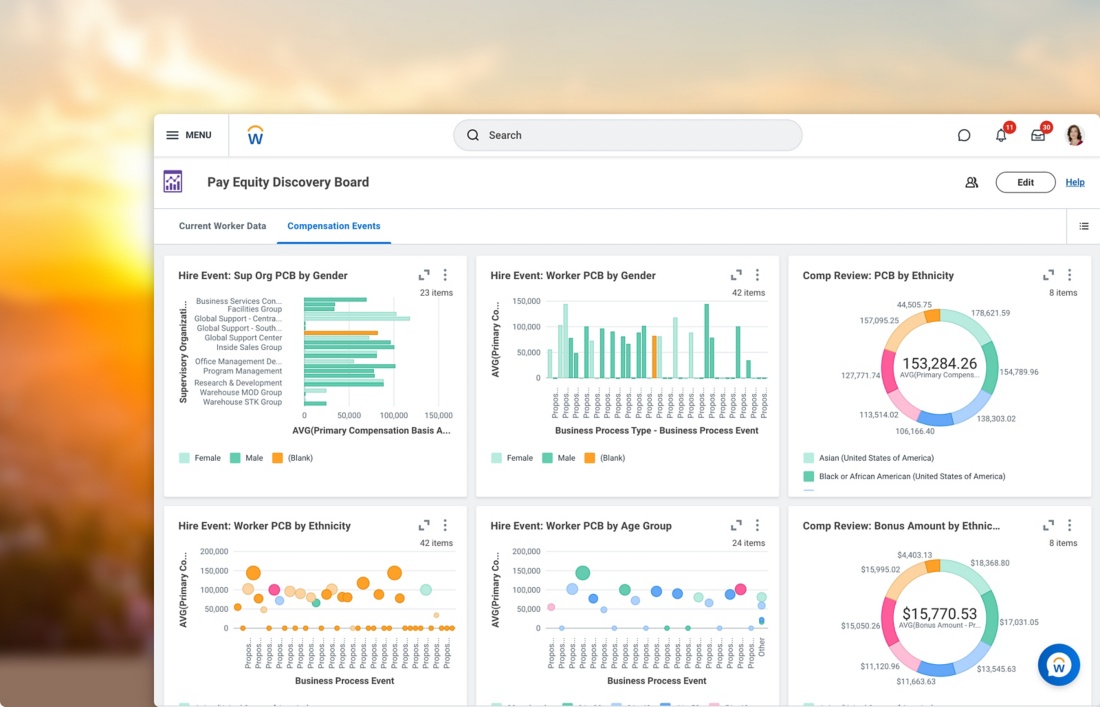
    9. Workday, Inc.

    Image
    Image
    Image
    Image
    Image
    Image

    Why it matters:
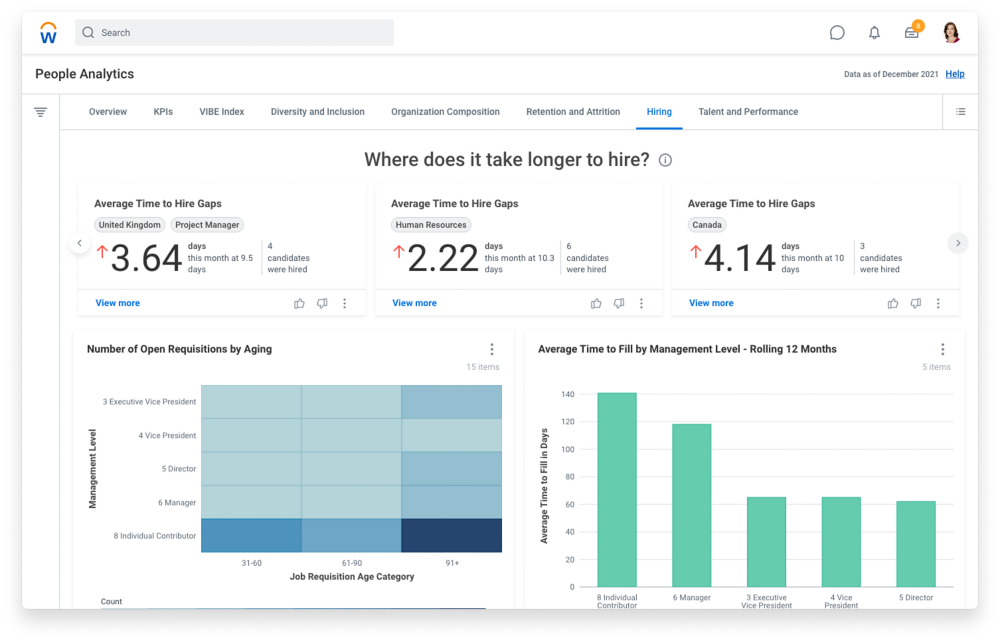
    Workday is a major SaaS vendor in HR, finance and enterprise resource planning (ERP). Identified as one of the top public SaaS companies in 2025. (SaaStr)
    Key impact: In 2025’s world of hybrid work, talent management, changing workforce expectations and complex finances, Workday provides foundations for enterprise resilience.


    10. Datadog, Inc.

    Image
    Image
    Image
    Image
    Image
    Image

    Why it matters:
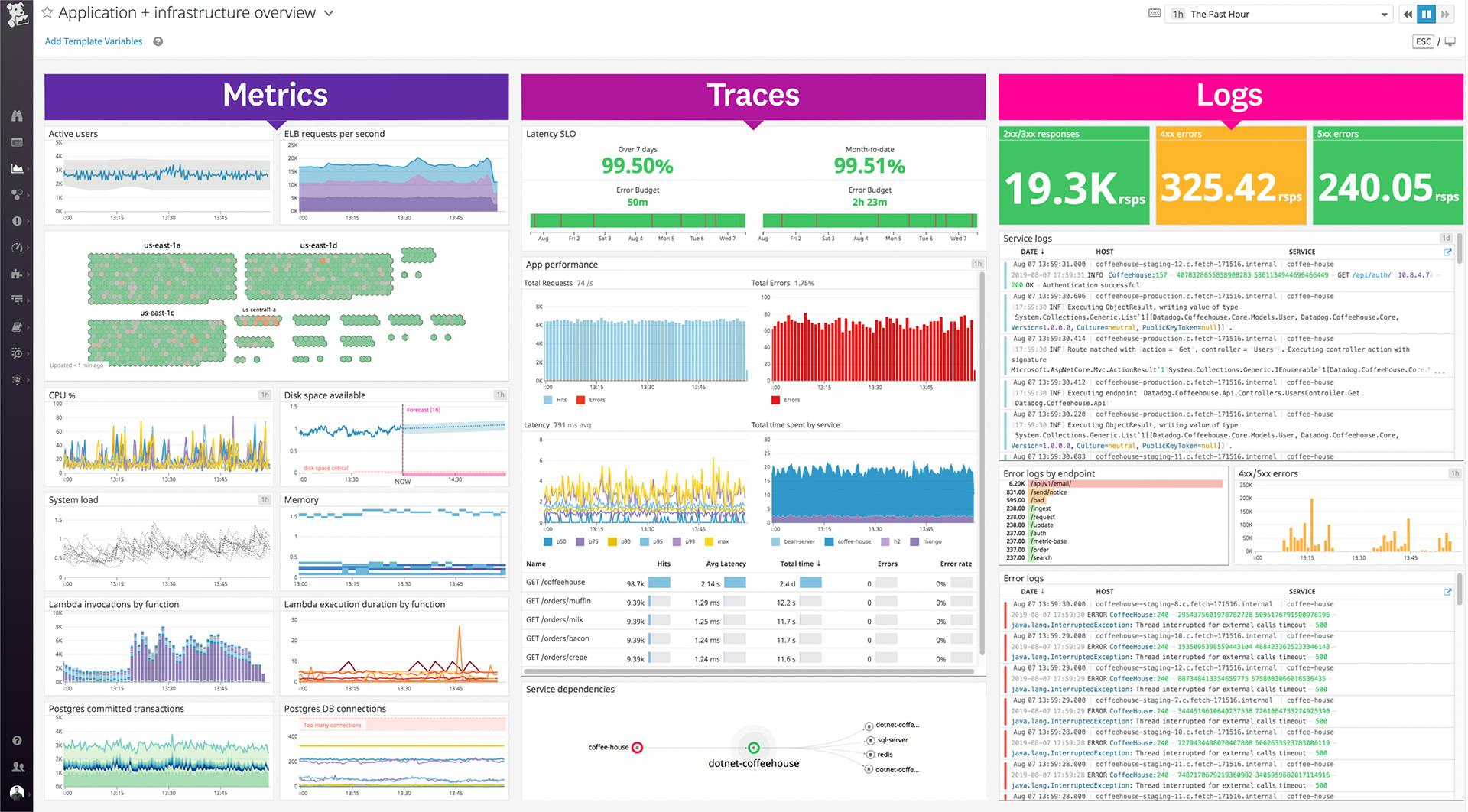
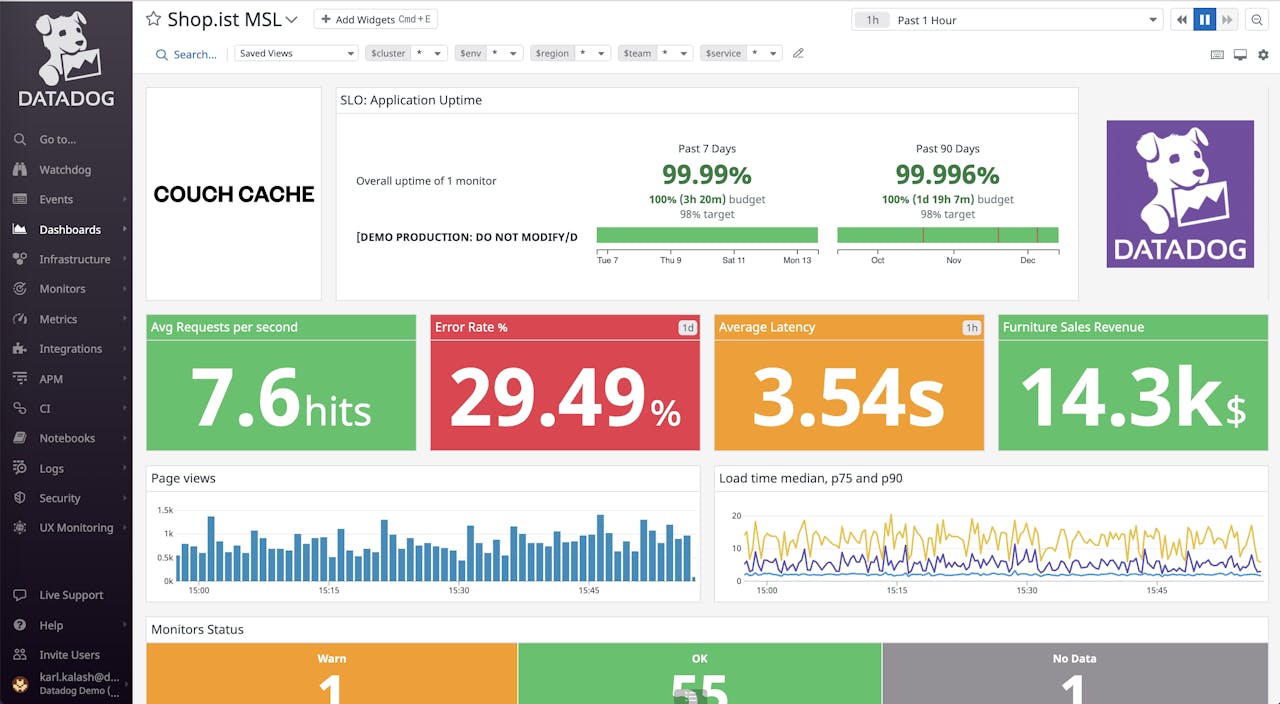
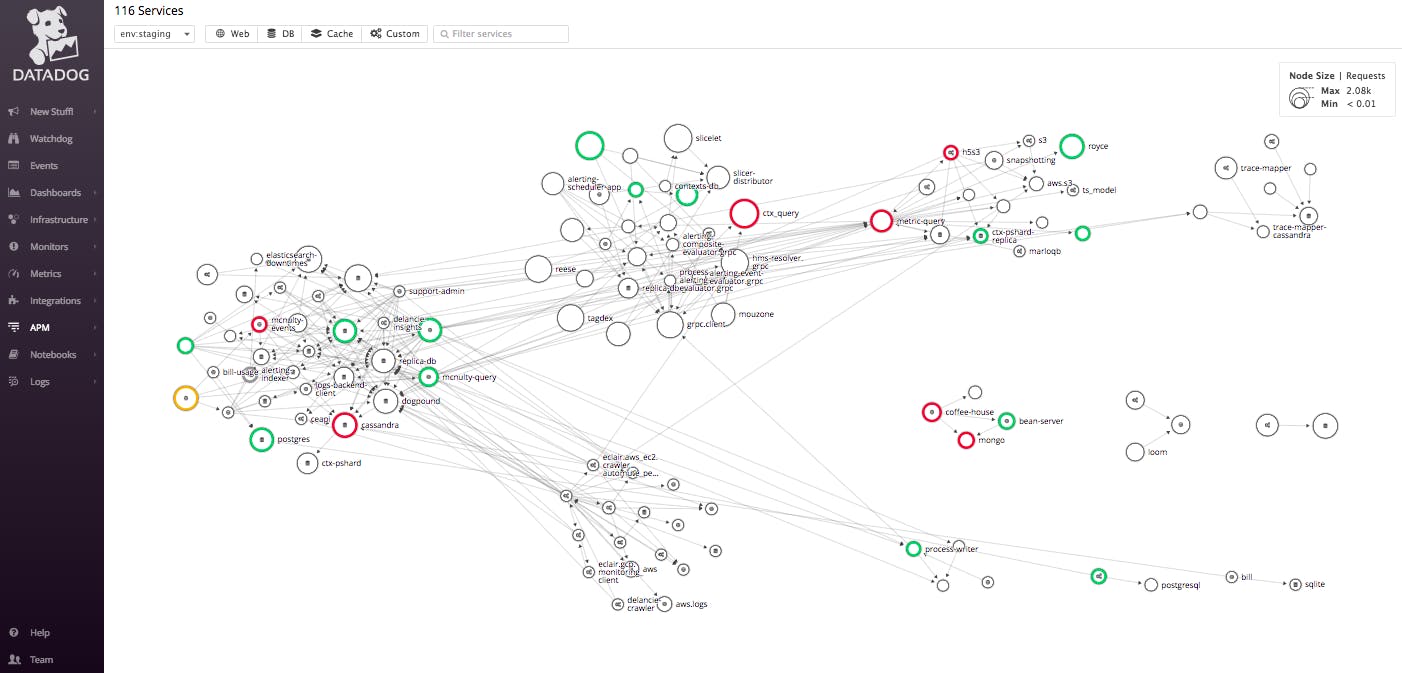
    Datadog is a SaaS company focused on cloud monitoring, application performance and observability. Named among top SaaS players in 2025. (SaaStr)
    Key impact: For businesses relying on cloud infrastructure and microservices, Datadog enables reliability, visibility and operational excellence.


    🎯 Why These Matter for 2025 Businesses

    • Scalability & Flexibility: All of these platforms allow businesses to scale operations quickly without massive infrastructure investments.
    • Data-Driven Decision Making: Analytics, automation and AI features are built into many of these tools — enabling smarter decisions.
    • Remote & Hybrid Work Ready: With distributed teams now standard, these SaaS tools support collaboration, productivity, and operations across geographies.
    • Subscription & Monetization Models: Platforms like Stripe and Klaviyo help companies adopt modern business models (subscriptions, recurring revenue).
    • Industry Relevance: Some are horizontal (CRM, productivity, finance), others target specific verticals (marketing, HR, infrastructure) — which reflects where opportunity lies in 2025.

    ✅ How to Use This List

    • If you’re a business owner or startup: Evaluate which of these platforms align with your current bottlenecks (e.g., customer management, marketing, operations, data).
    • If you’re an investor or watcher: These companies signal where innovation is happening in SaaS—look for adjacent or niche players in similar categories.
    • If you’re a professional: Skills in these platforms (or those connected to them) will be in demand as organizations invest in SaaS transformation.