1. Salesforce, Inc.




Why it matters:
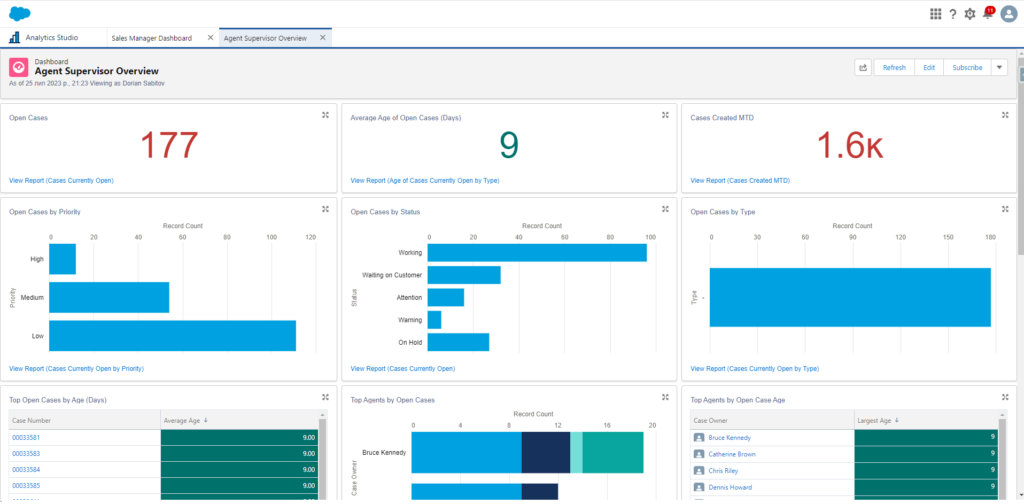
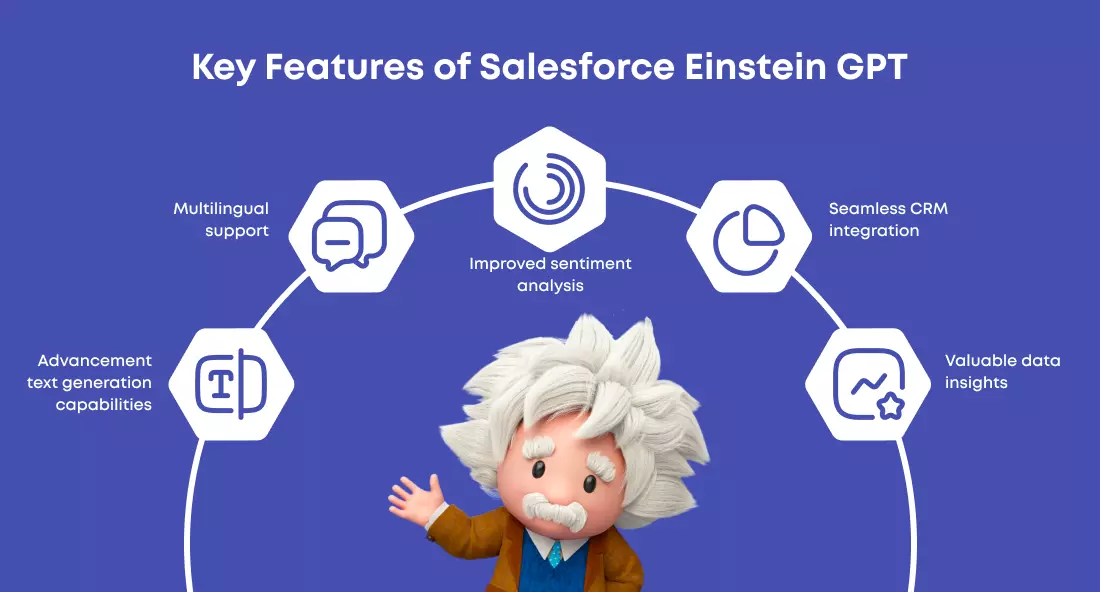
Founded in 1999 and headquartered in San Francisco, Salesforce is a major cloud- and SaaS-company focused on CRM, customer service, marketing automation and embedded AI. (Wikipedia)
In 2025 it continues to lead in enterprise applications, helping businesses manage customer relationships and data at scale.
Key impact: Enables companies to unify sales, support and marketing workflows; uses AI to drive insights; gives a platform that many businesses build on.
2. Microsoft Corporation



Why it matters:
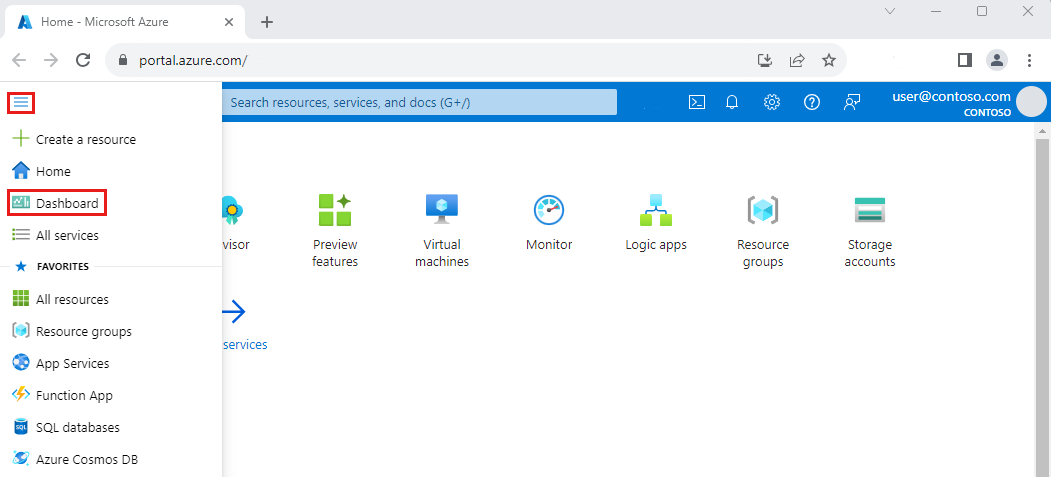
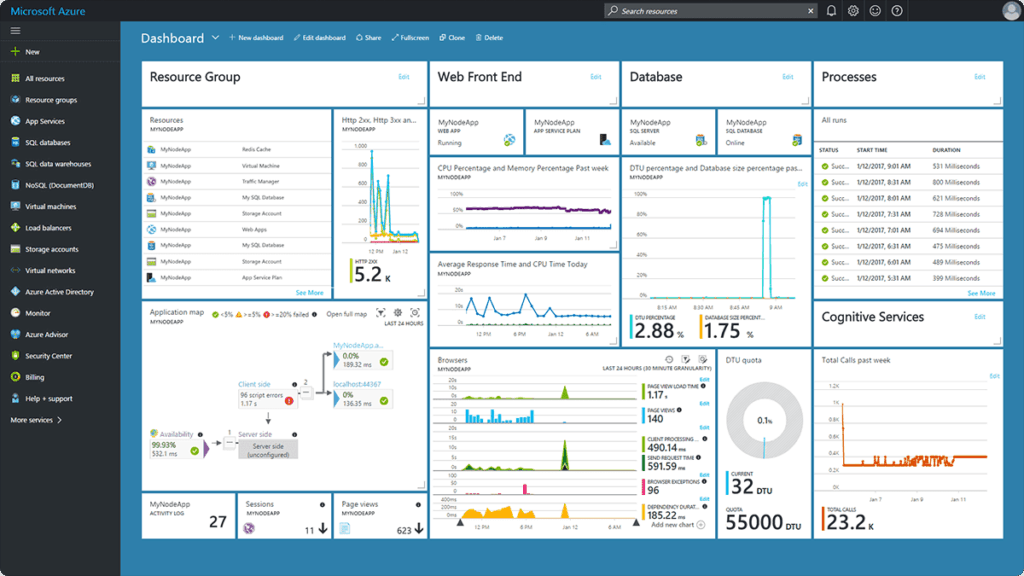
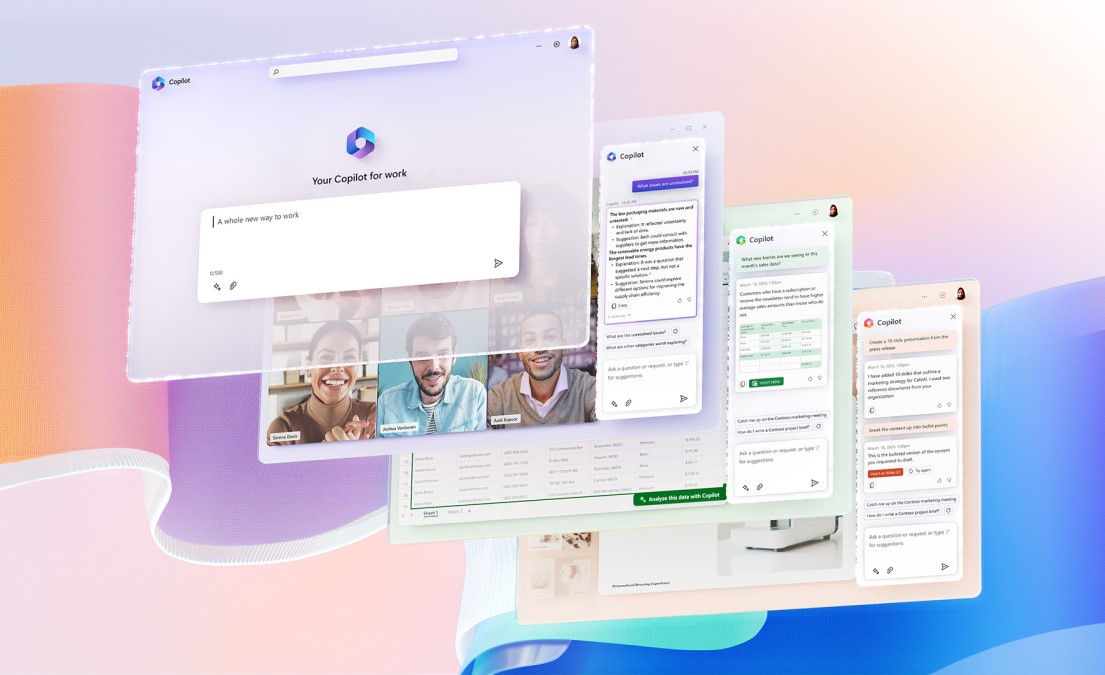
While Microsoft is broader than just SaaS, its SaaS-offerings (Microsoft 365, Dynamics 365, Azure cloud services) dominate productivity, collaboration and business applications. (TechDataPark)
Key impact: For businesses of all sizes, Microsoft provides the backbone of productivity tools and cloud infrastructure, enabling remote/hybrid work, analytics and modern workflows.
3. Adobe Inc.





Why it matters:
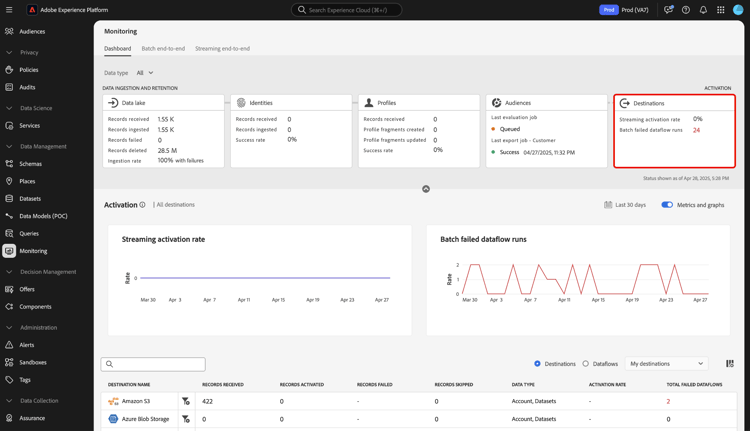
Adobe has transitioned heavily into SaaS through Creative Cloud, Document Cloud and Experience Cloud. In 2025 they are strong in marketing, content creation and analytics. (Techimply)
Key impact: Helps businesses (and creatives) produce high-quality content, manage client engagement and brand experiences — important in the era of digital marketing and content-driven business.
4. Canva Pty Ltd

Why it matters:
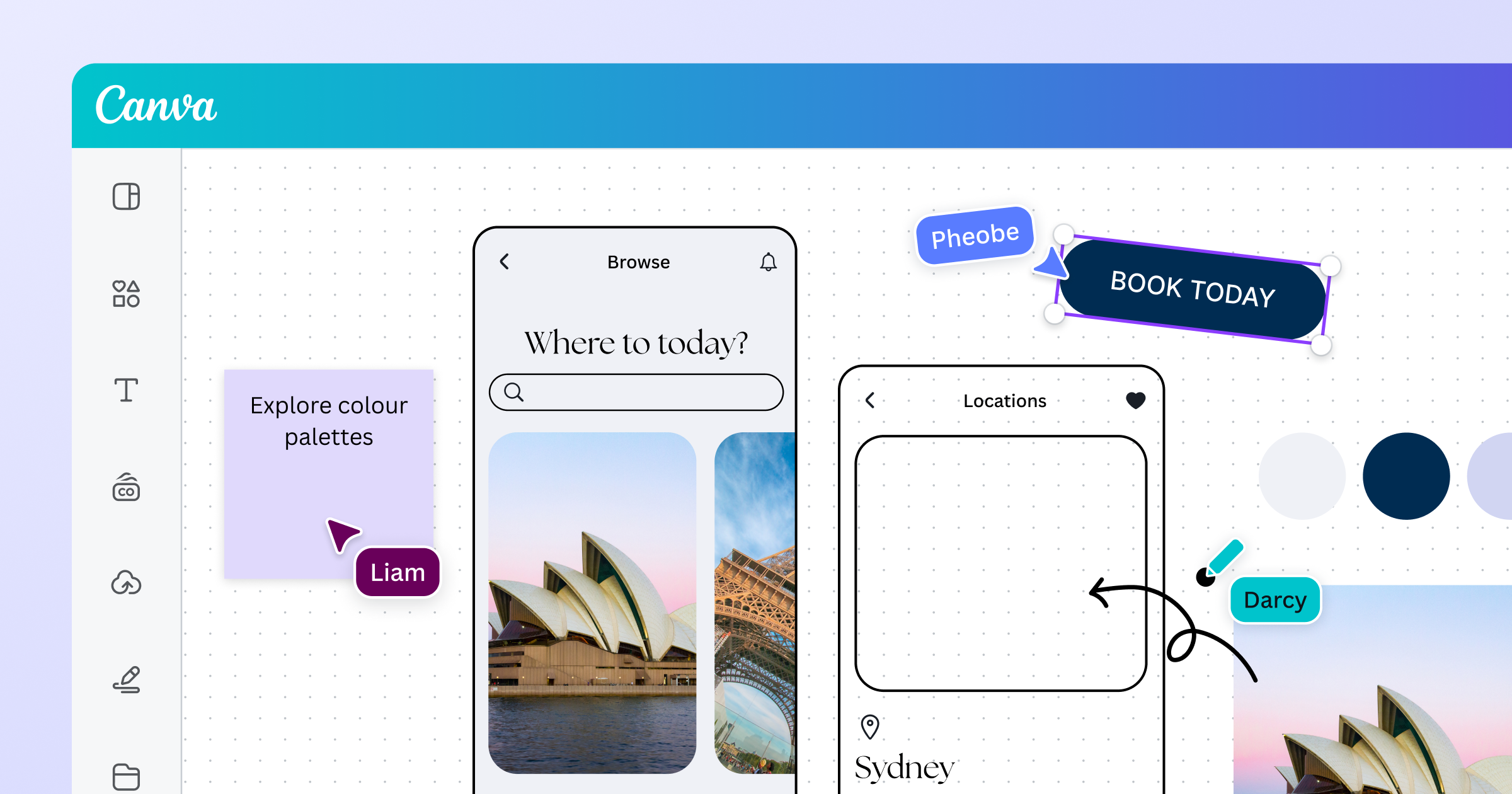
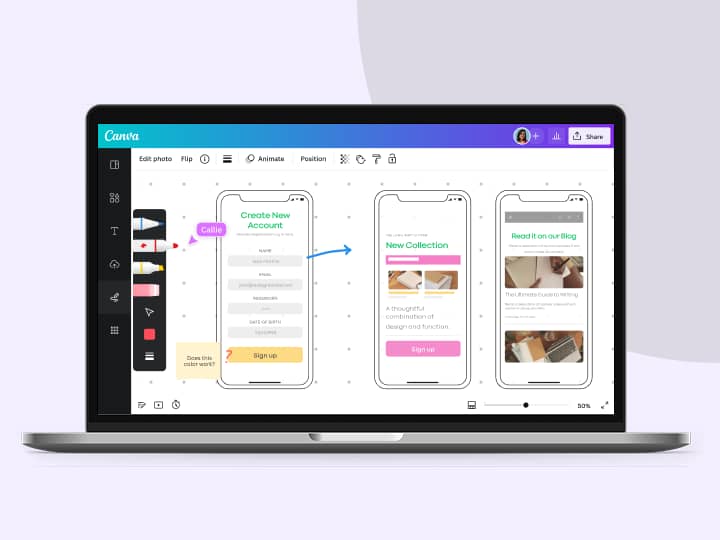
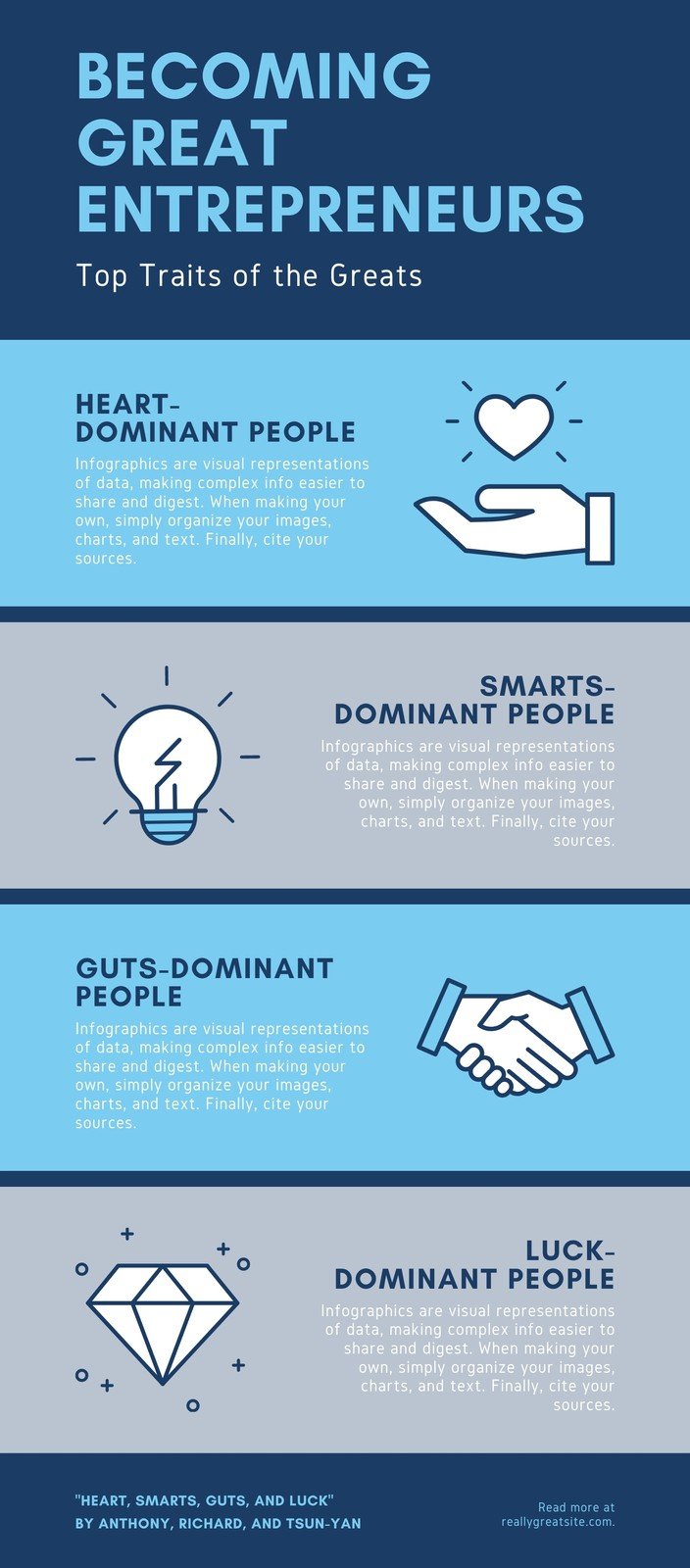
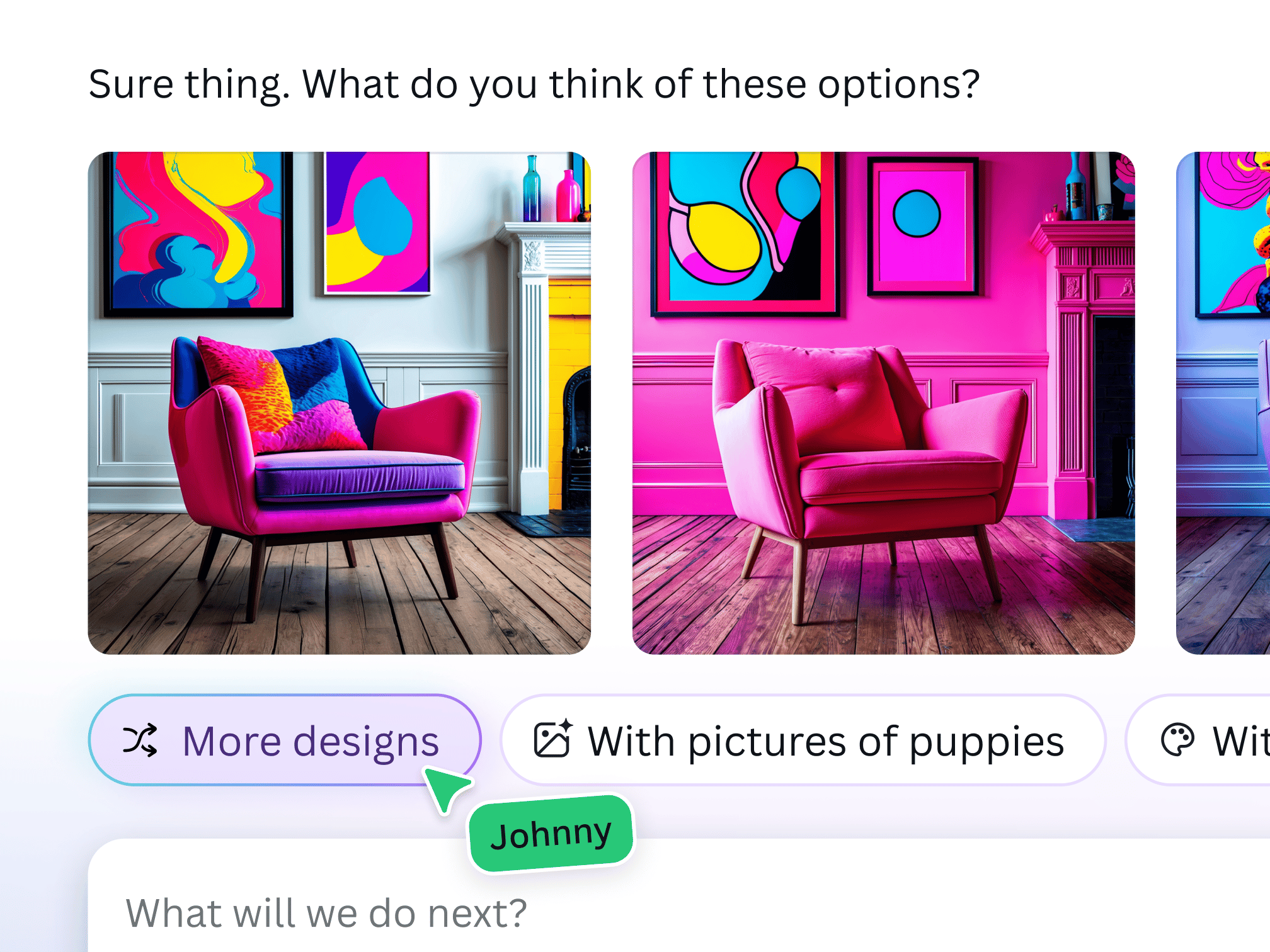
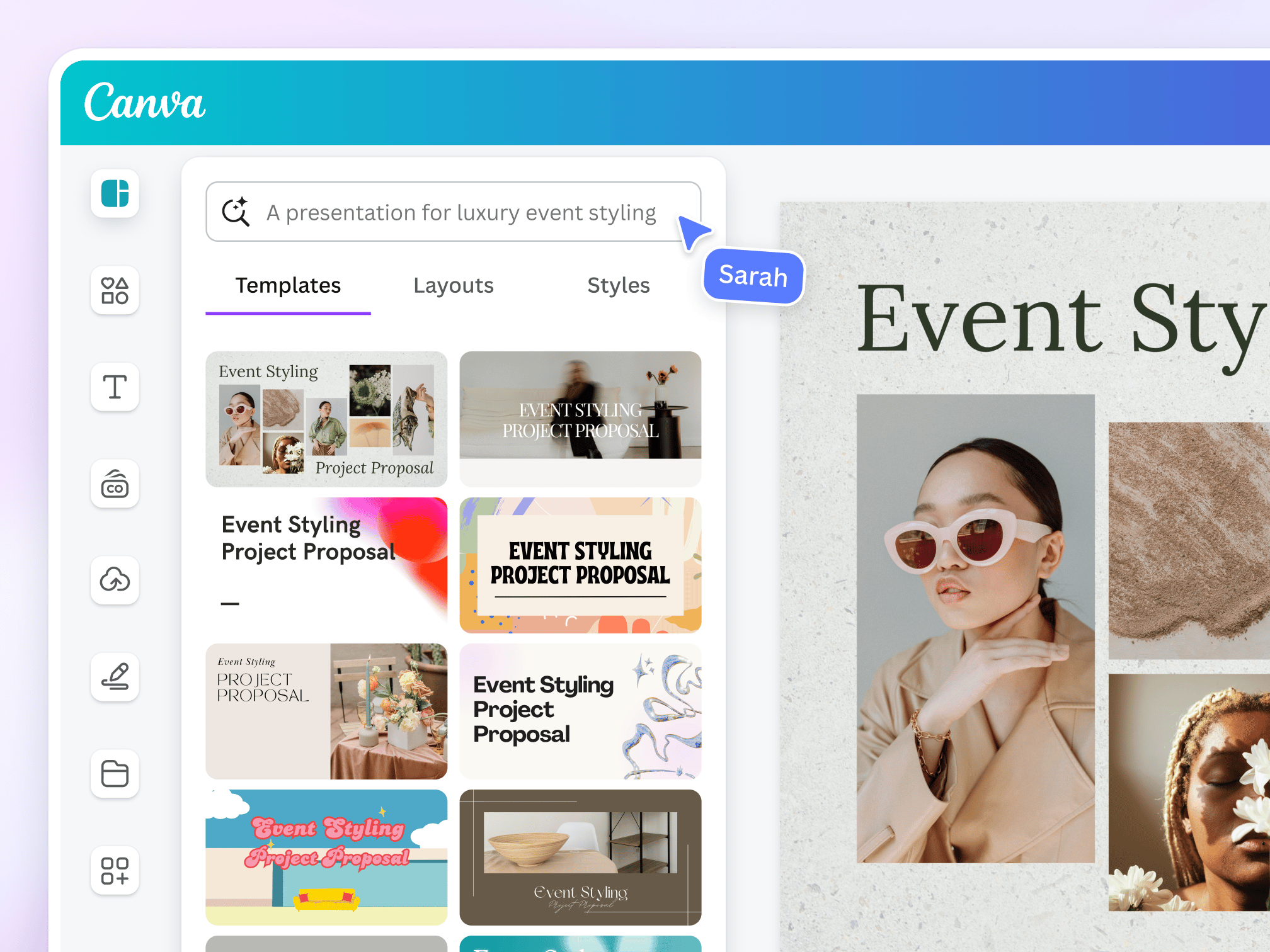
According to a 2025 ranking, Canva was the #1 most popular SaaS tool with huge growth in traffic and searches. (DesignRush)
Key impact: For small businesses and startups especially, Canva democratizes design—enabling teams without large design departments to produce visuals, marketing materials and branded content quickly and affordably.
5. Domo, Inc.




Why it matters:
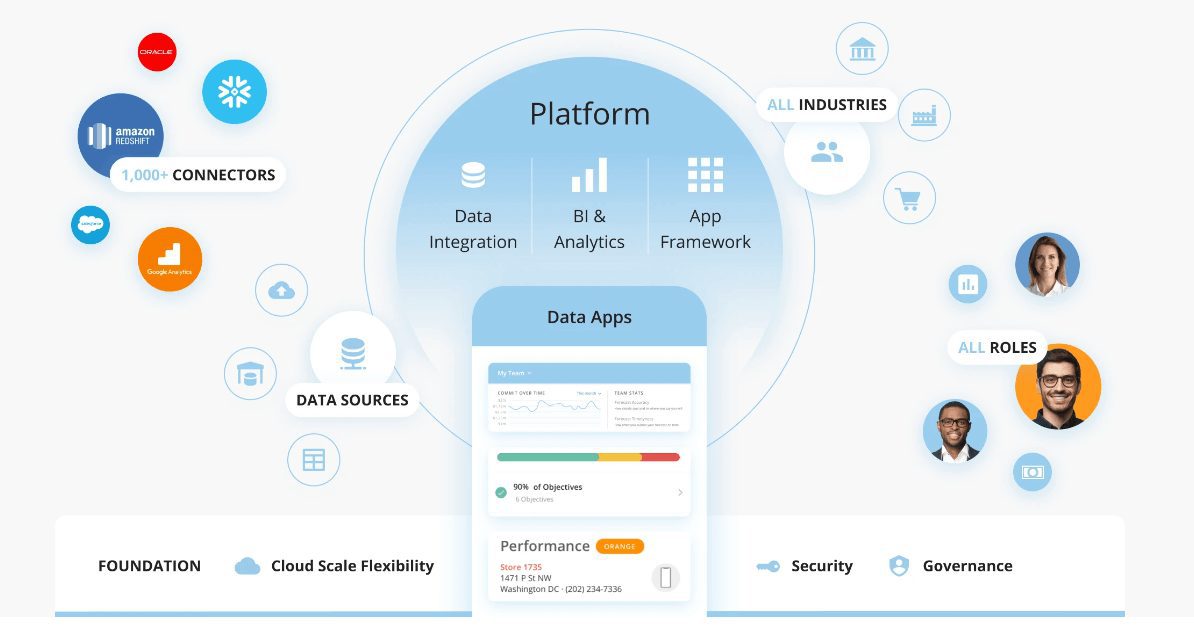
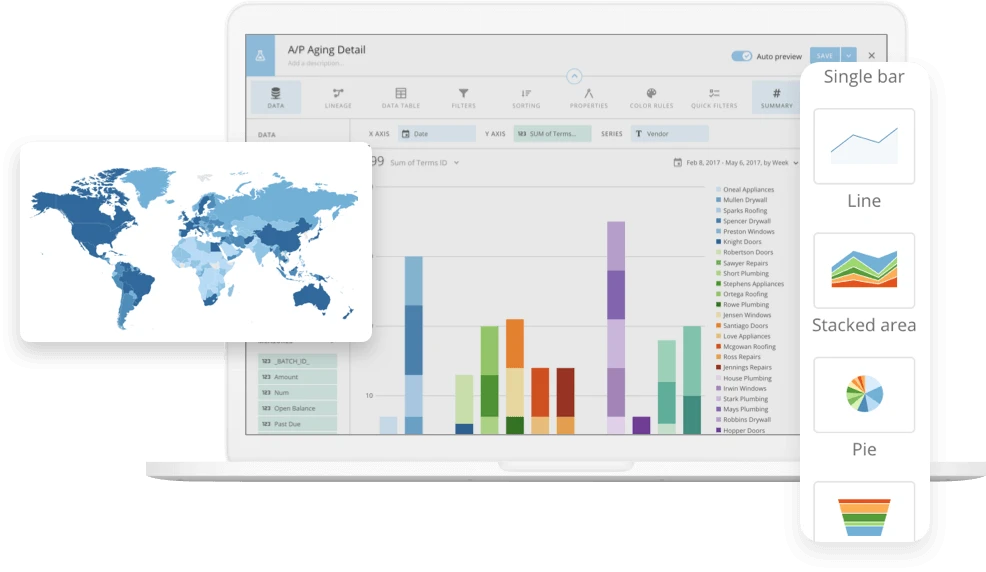
Domo is a U.S.-based SaaS company offering business intelligence, data visualization and real-time analytics. (Wikipedia)
Key impact: In 2025, businesses demand data-driven decision-making more than ever. Domo helps organizations bring data from multiple sources into dashboards and insights, key for agility.
6. Unqork

Why it matters:
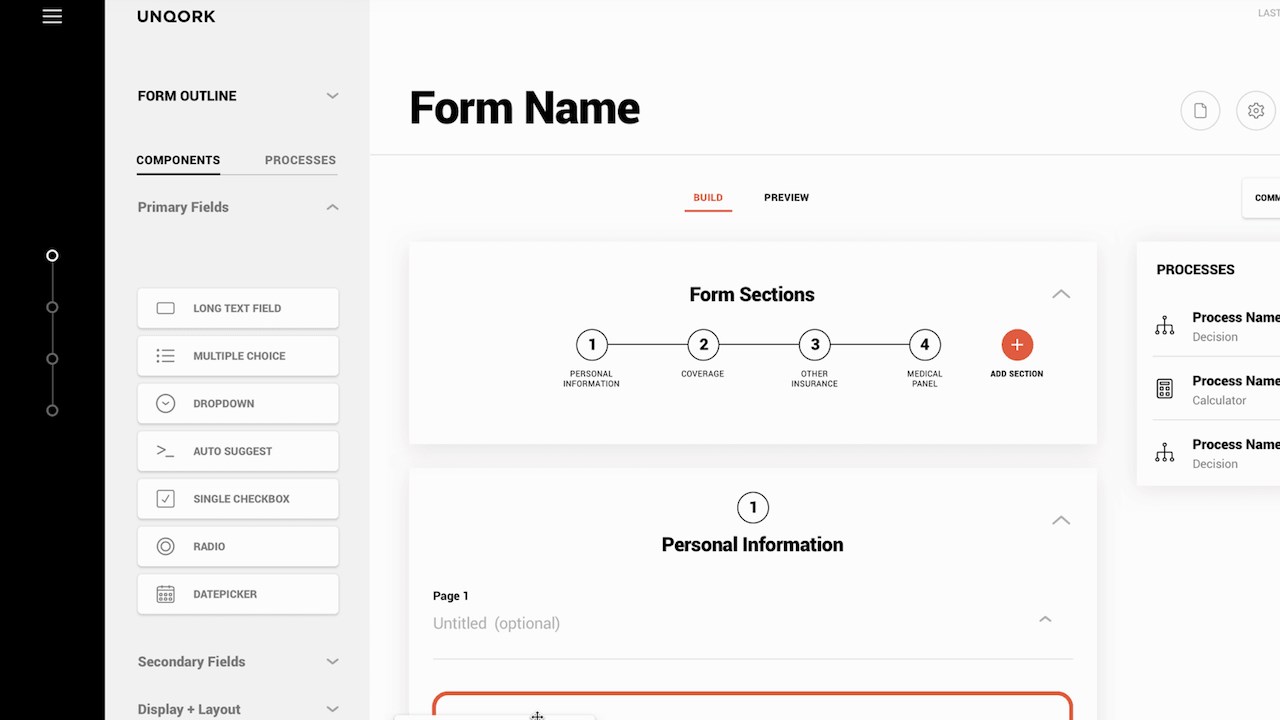
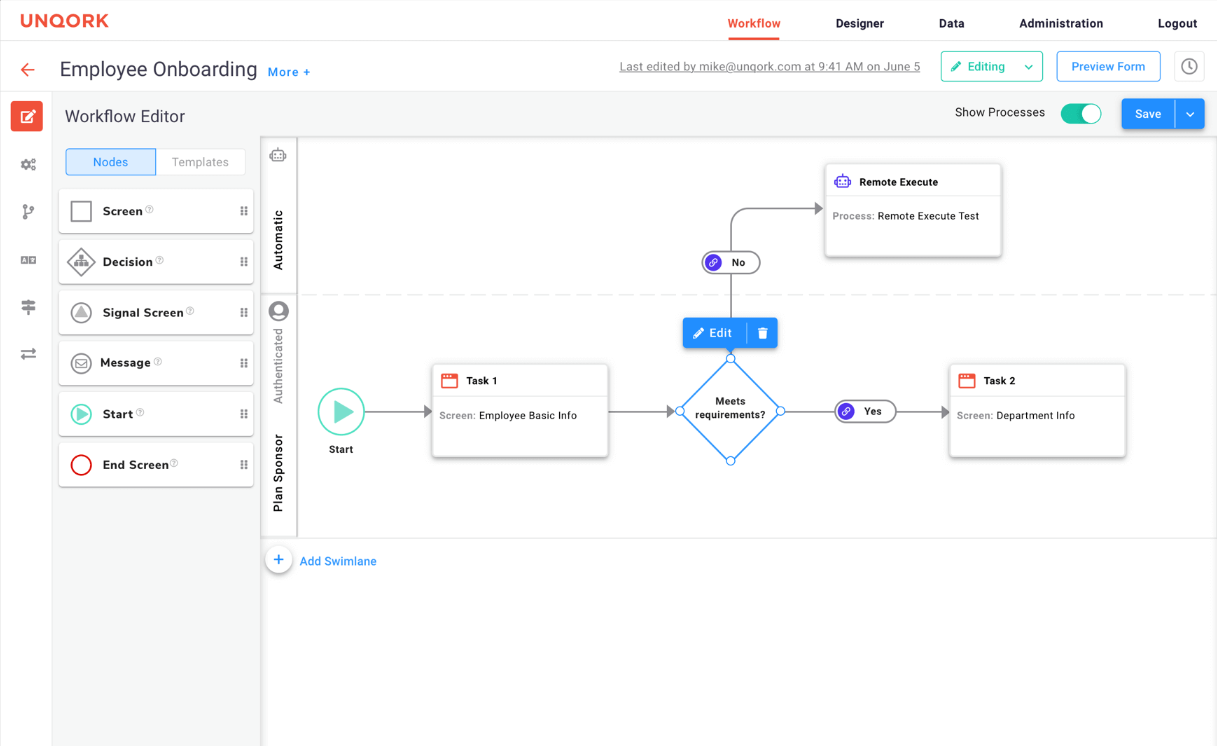
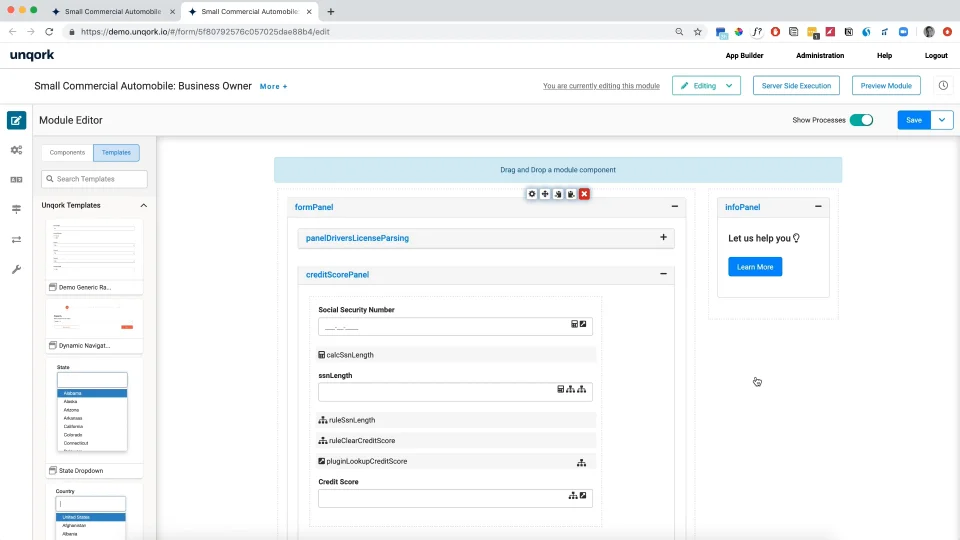
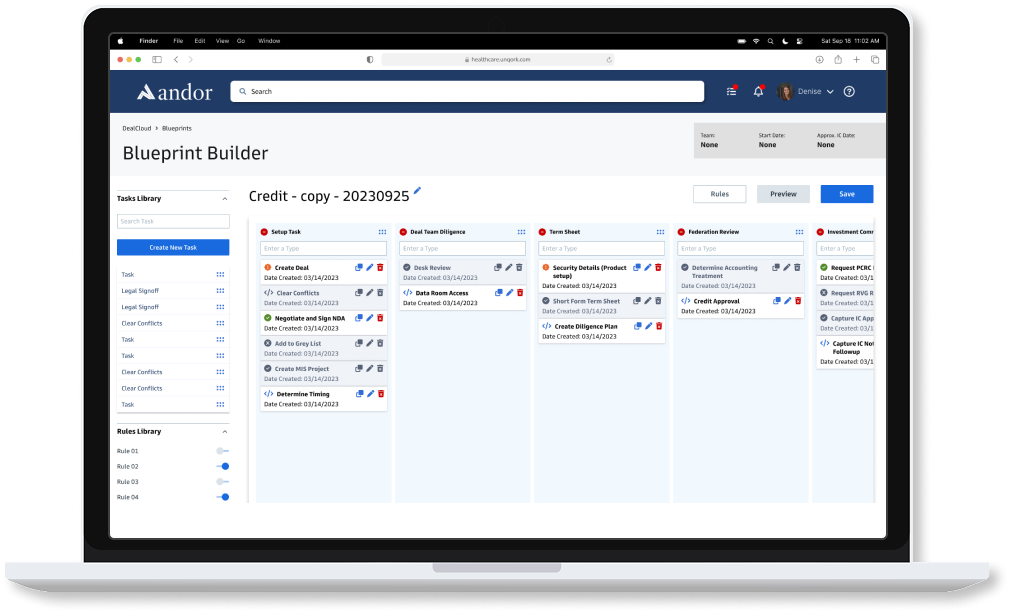
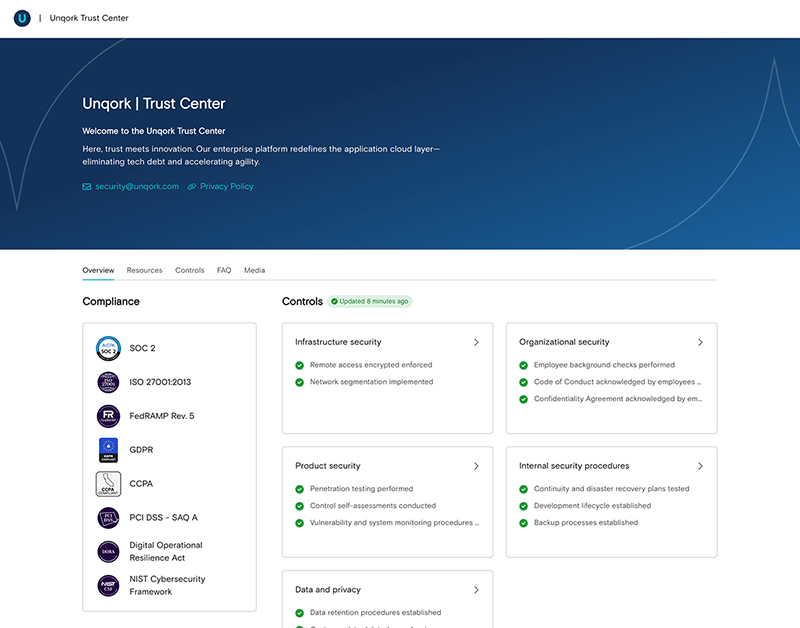
Unqork is a no-code/low-code SaaS platform (US-based) that enables enterprise-grade applications (esp. in regulated industries) without heavy coding. (Tech Talks Today)
Key impact: Enables companies to build custom software faster, with less dependency on developer resources. That flexibility matters in 2025 when speed and innovation are competitive advantages.
7. Klaviyo, Inc.


Why it matters:
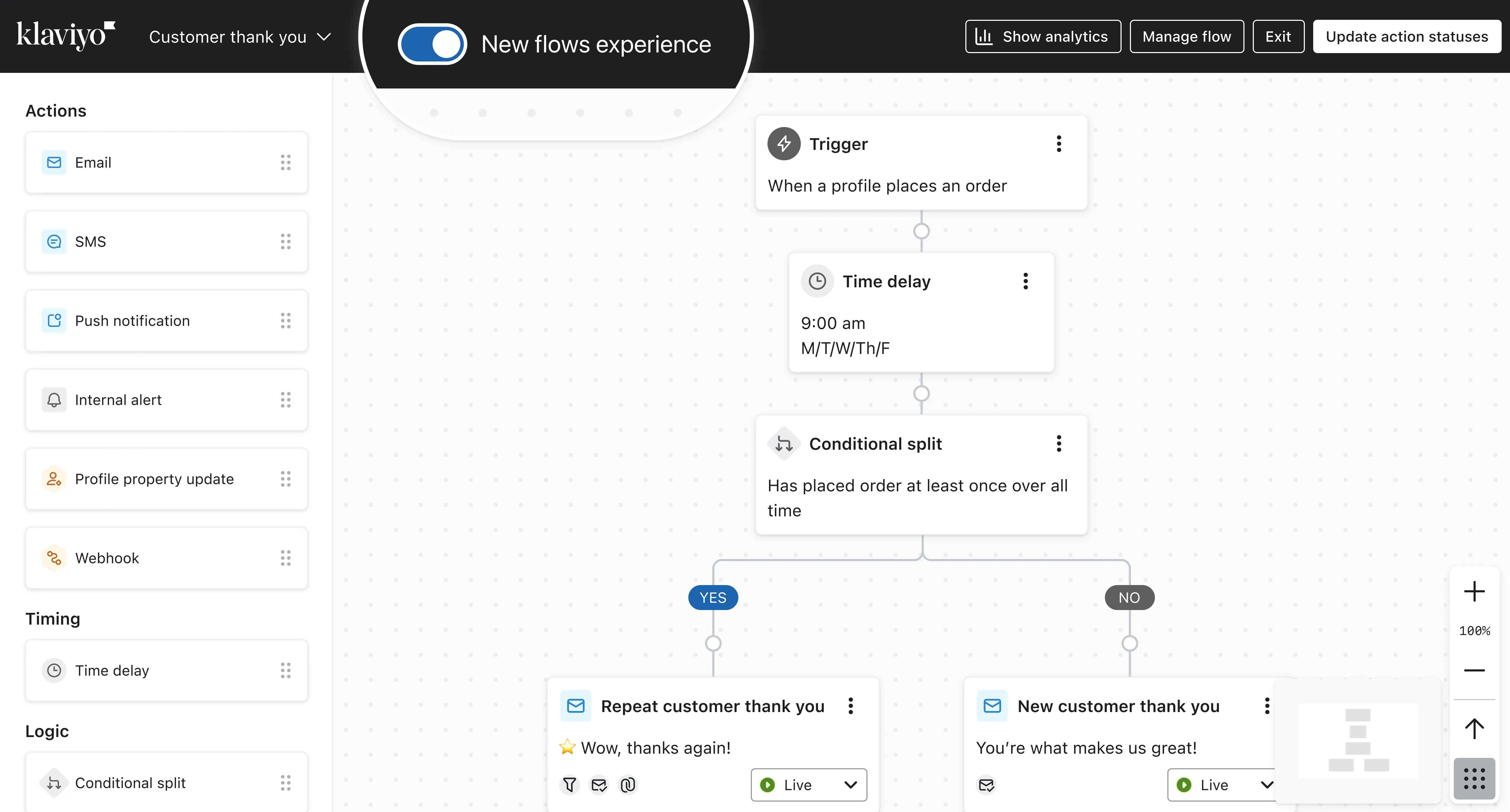
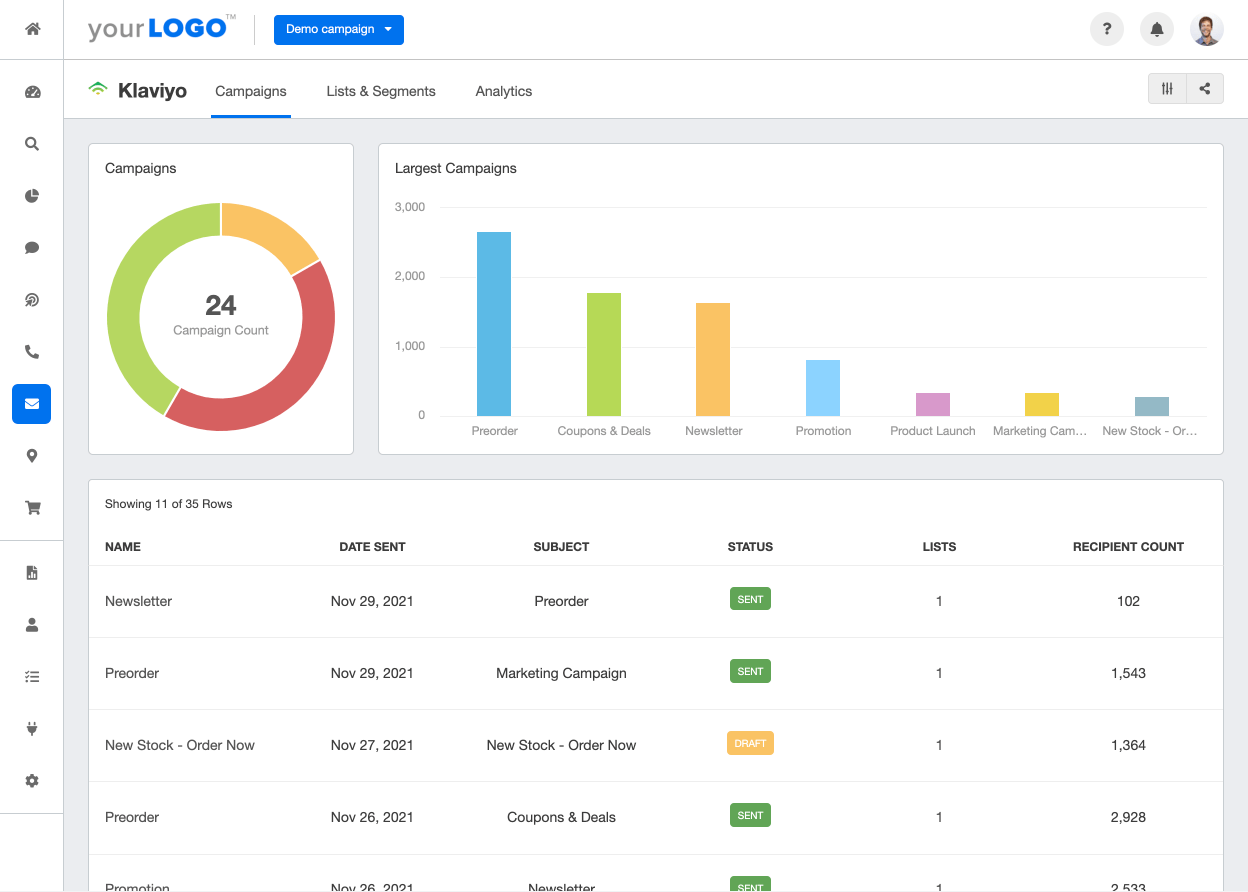
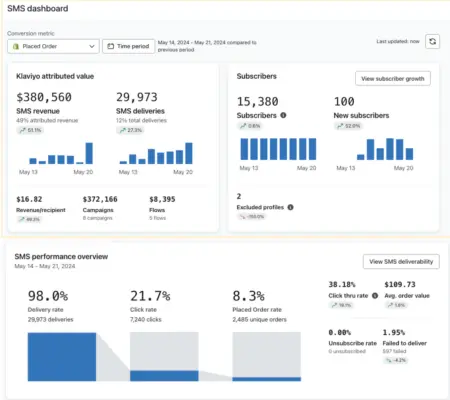
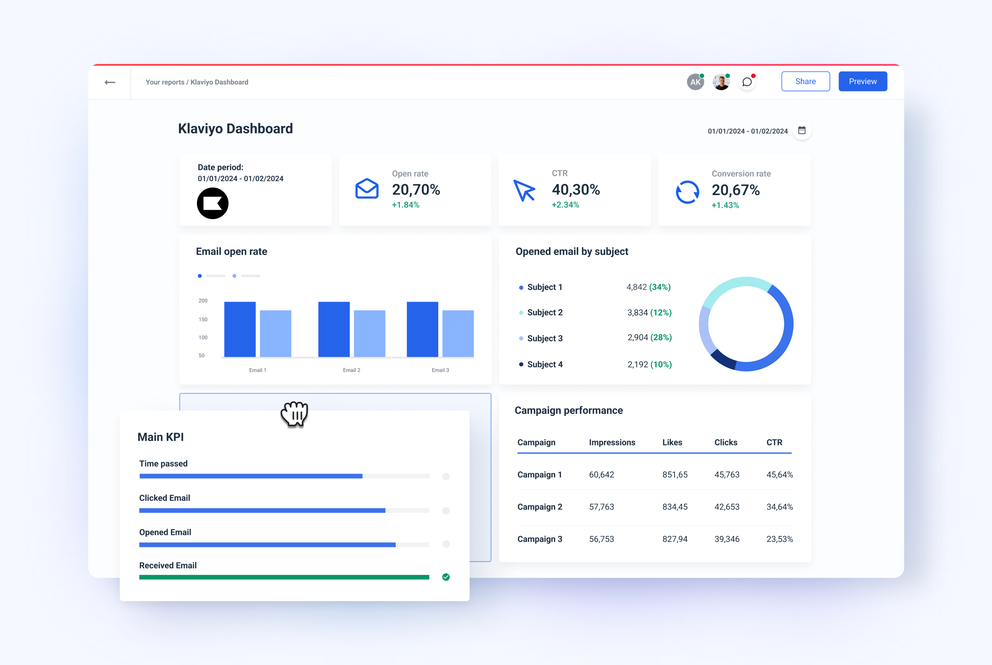
Klaviyo is a marketing automation & customer data/CRM platform for consumer brands. It’s a strong U.S. SaaS company growing rapidly. (Omnius)
Key impact: Allows direct-to-consumer brands to scale personalized marketing (email, SMS) using data-driven automation — critical in a digital economy.
8. Stripe, Inc.


Why it matters:
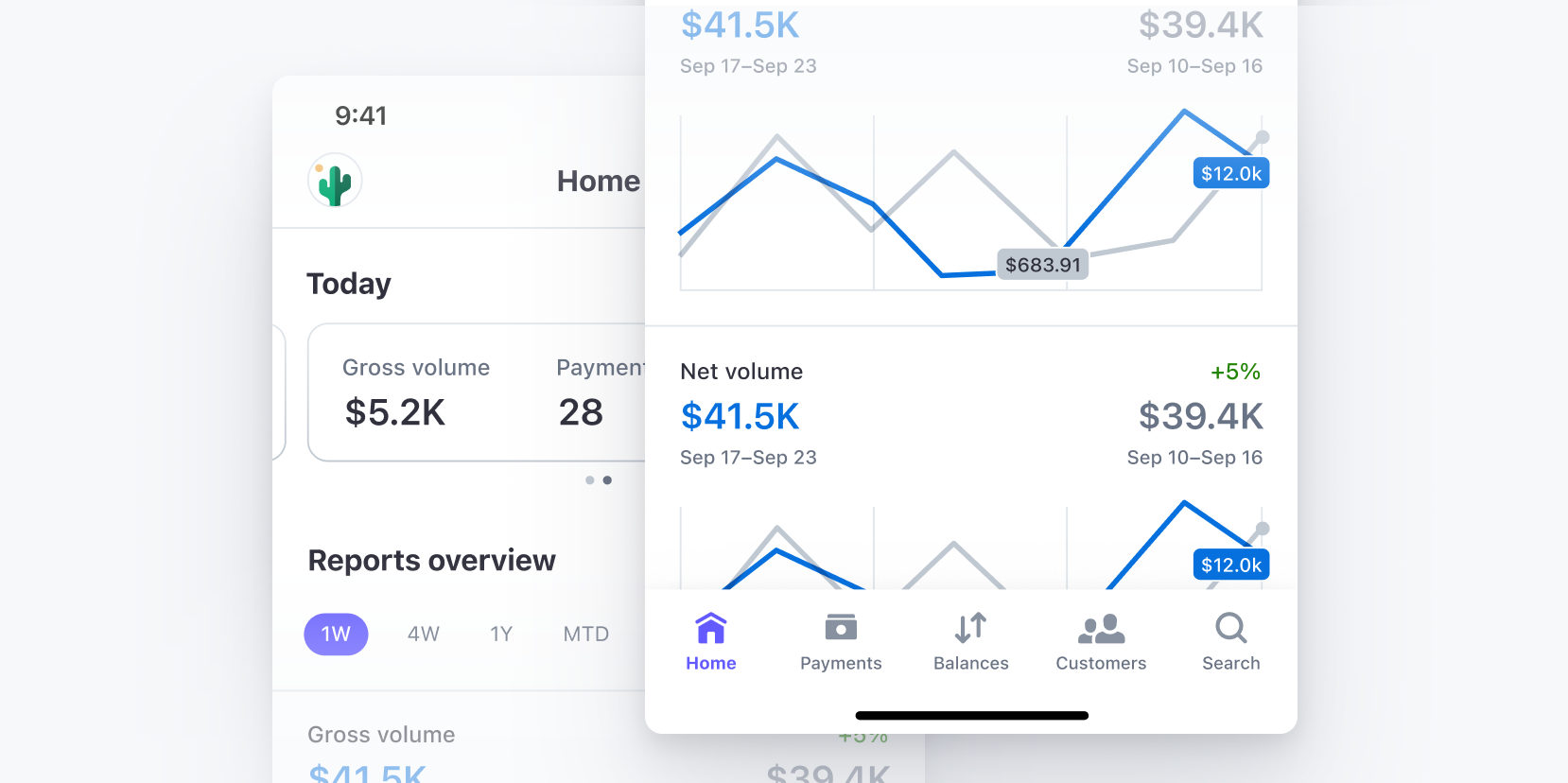
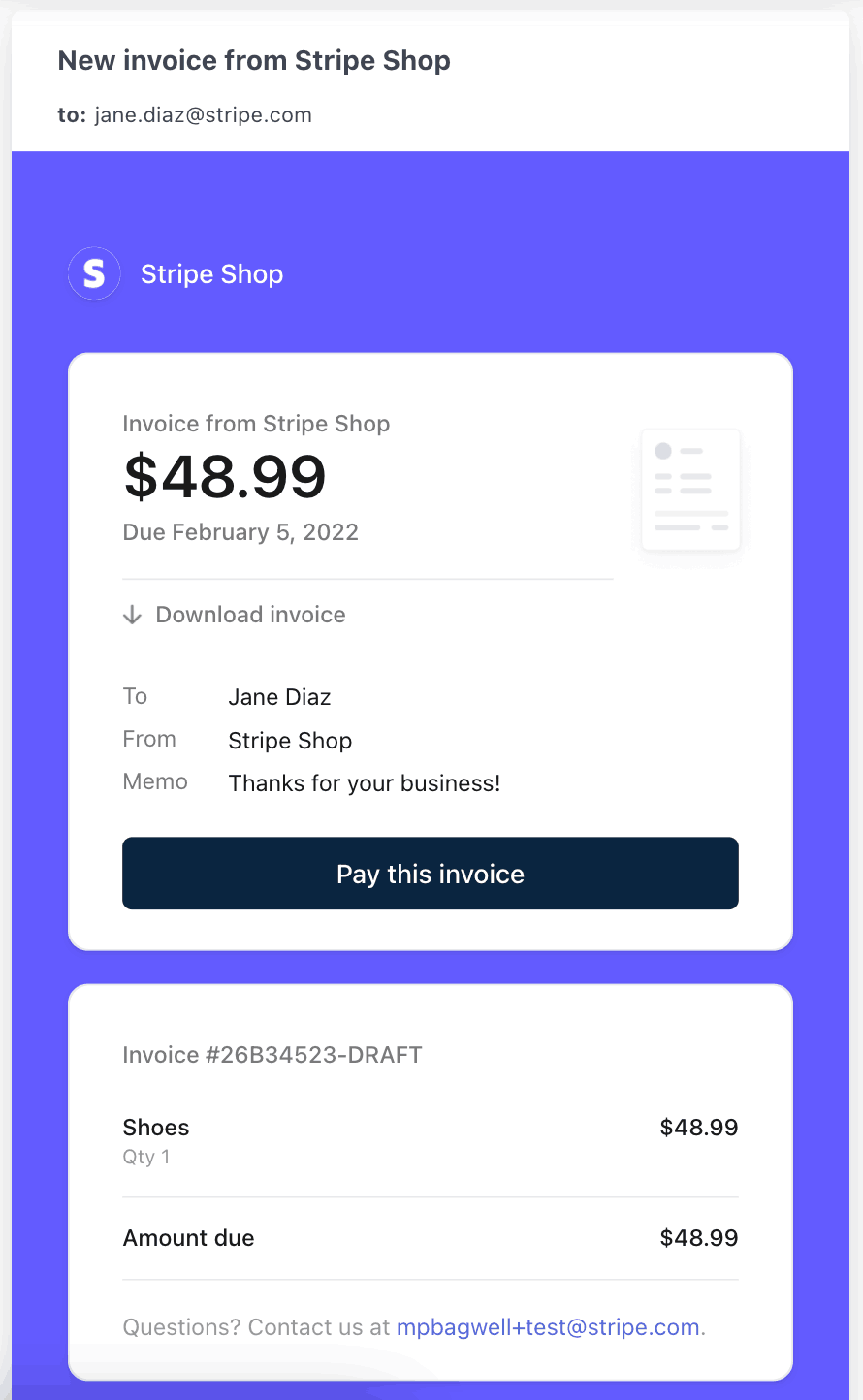
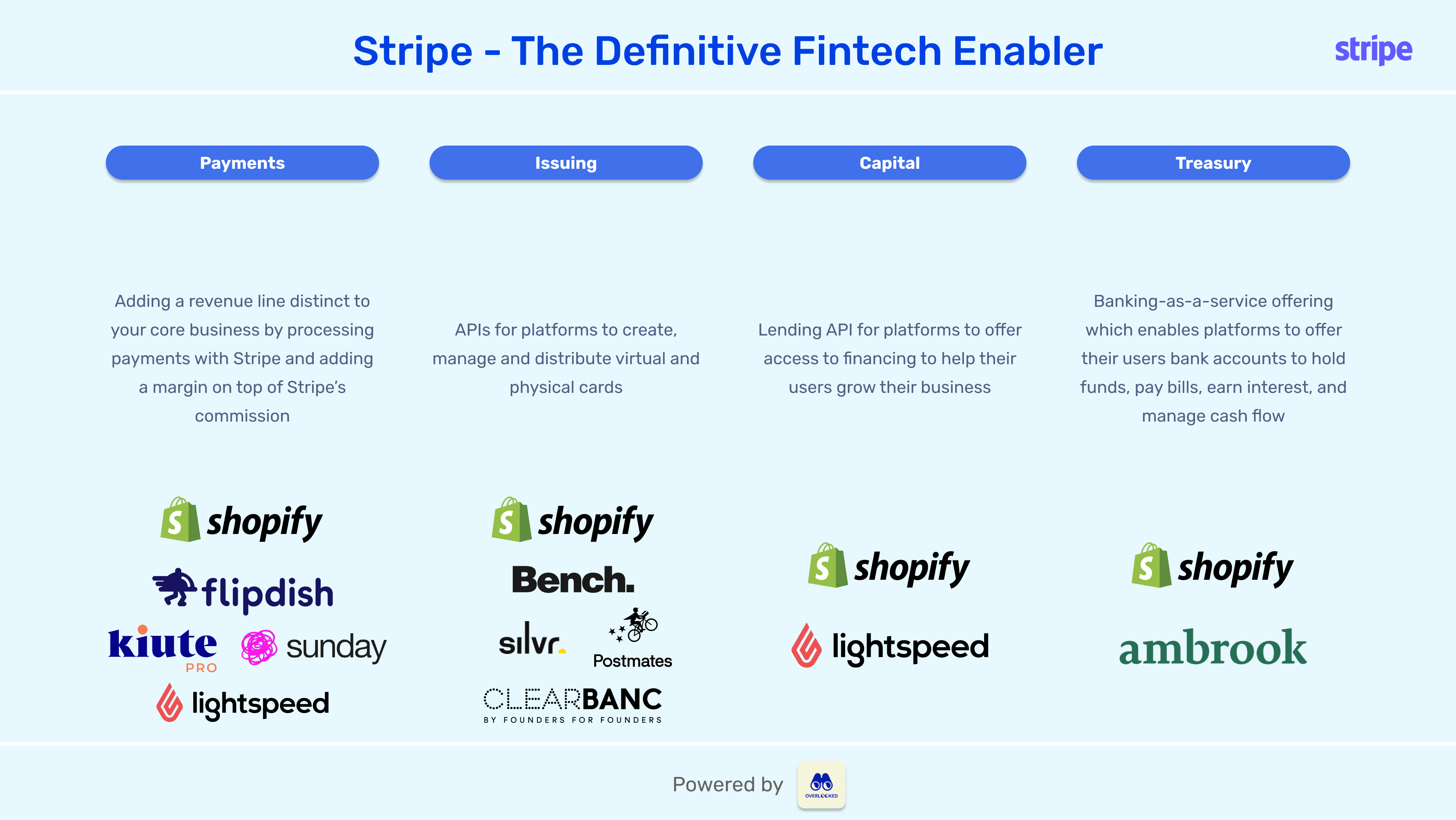
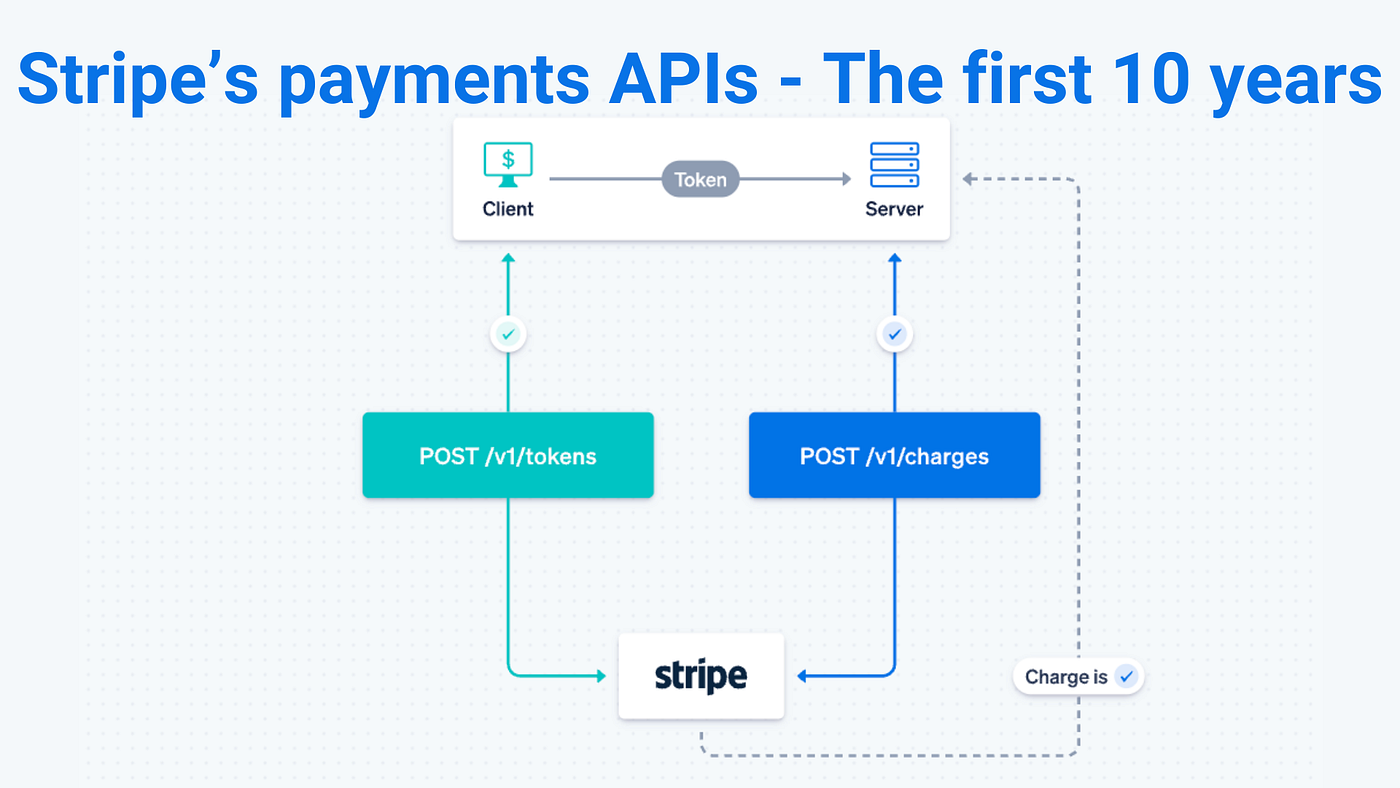
While primarily a payments and fintech platform, Stripe’s SaaS-style offerings (billing, subscriptions, APIs) have revolutionized how businesses manage revenue and monetization. Listed among top fast-growing SaaS companies. (Green Flag Digital)
Key impact: Enables companies to go global, scale revenue models, and adopt subscription economies — increasingly important in 2025’s business landscape.
9. Workday, Inc.
Why it matters:
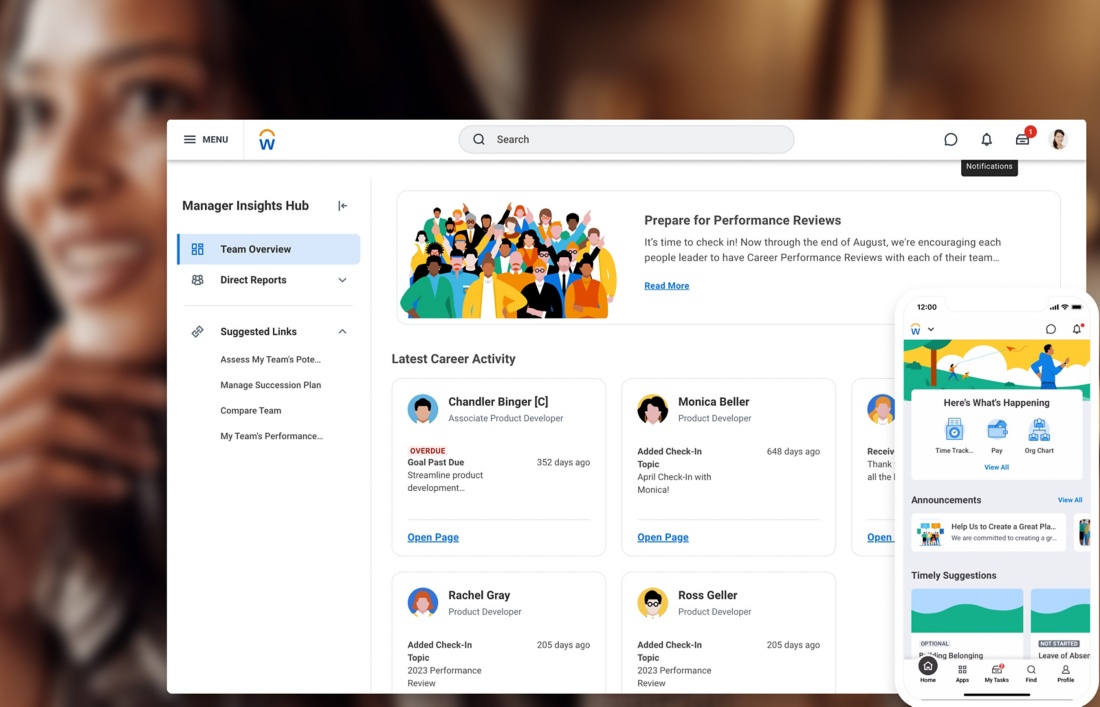
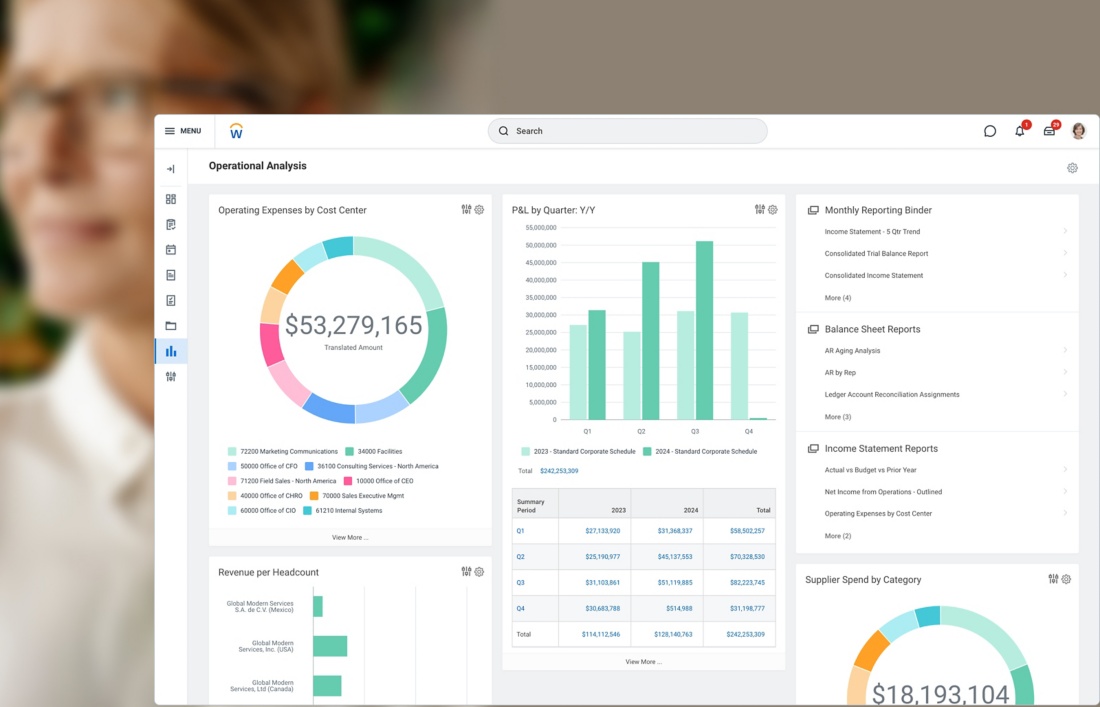
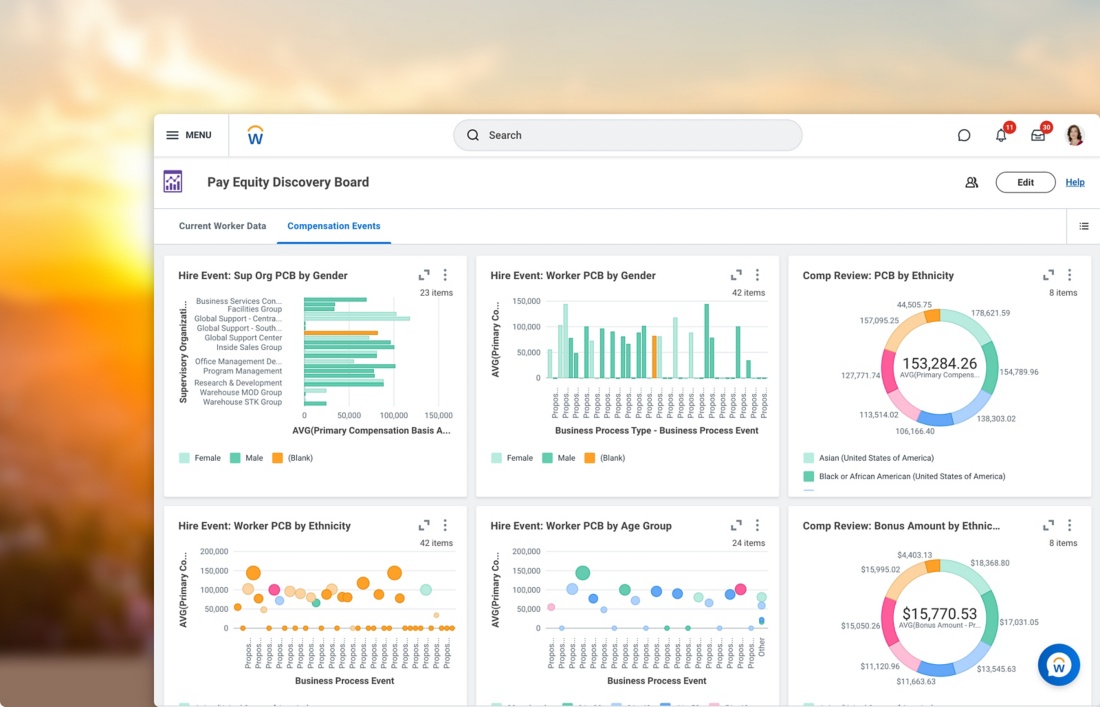
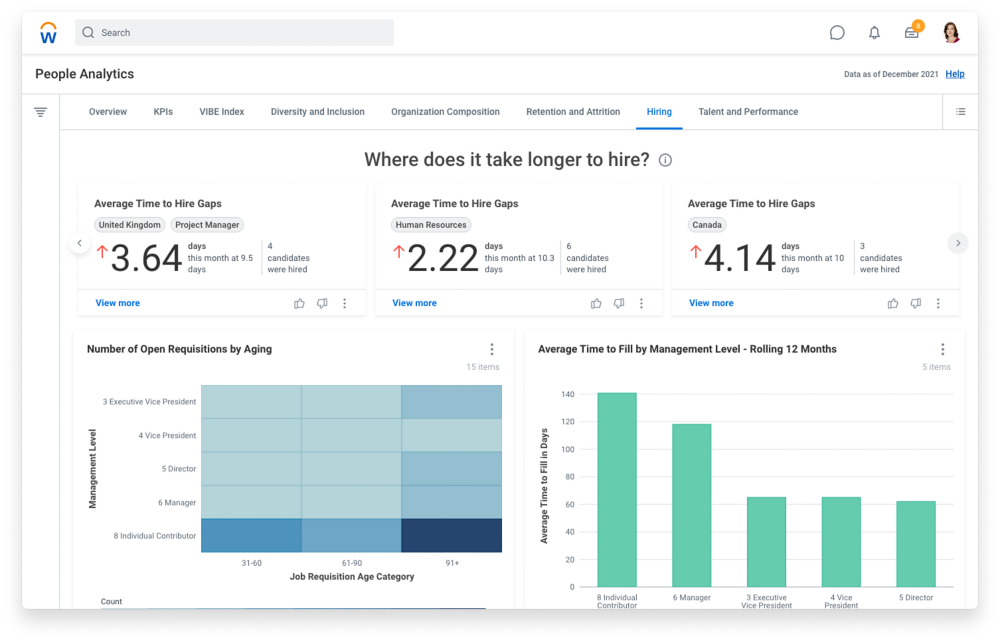
Workday is a major SaaS vendor in HR, finance and enterprise resource planning (ERP). Identified as one of the top public SaaS companies in 2025. (SaaStr)
Key impact: In 2025’s world of hybrid work, talent management, changing workforce expectations and complex finances, Workday provides foundations for enterprise resilience.
10. Datadog, Inc.



Why it matters:
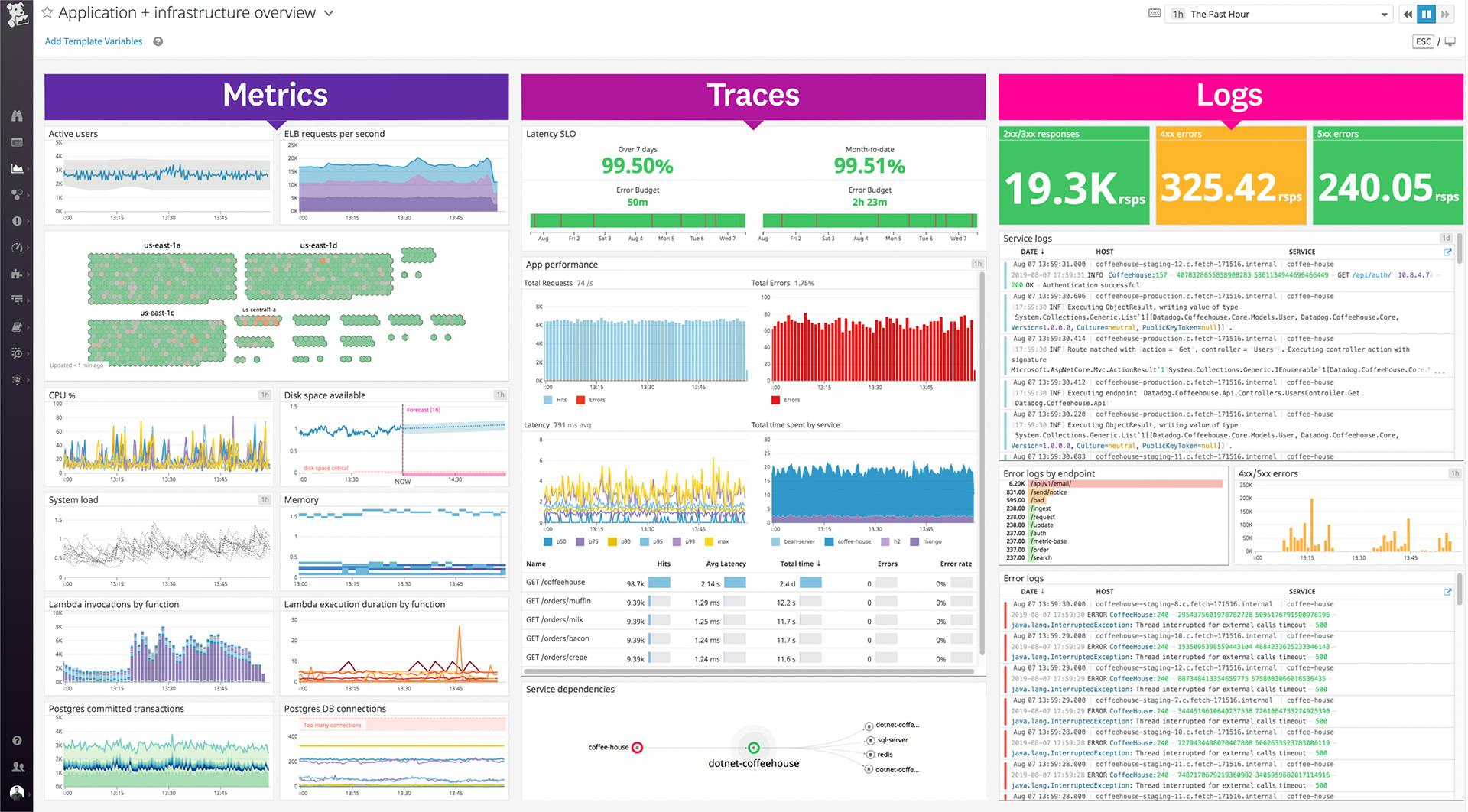
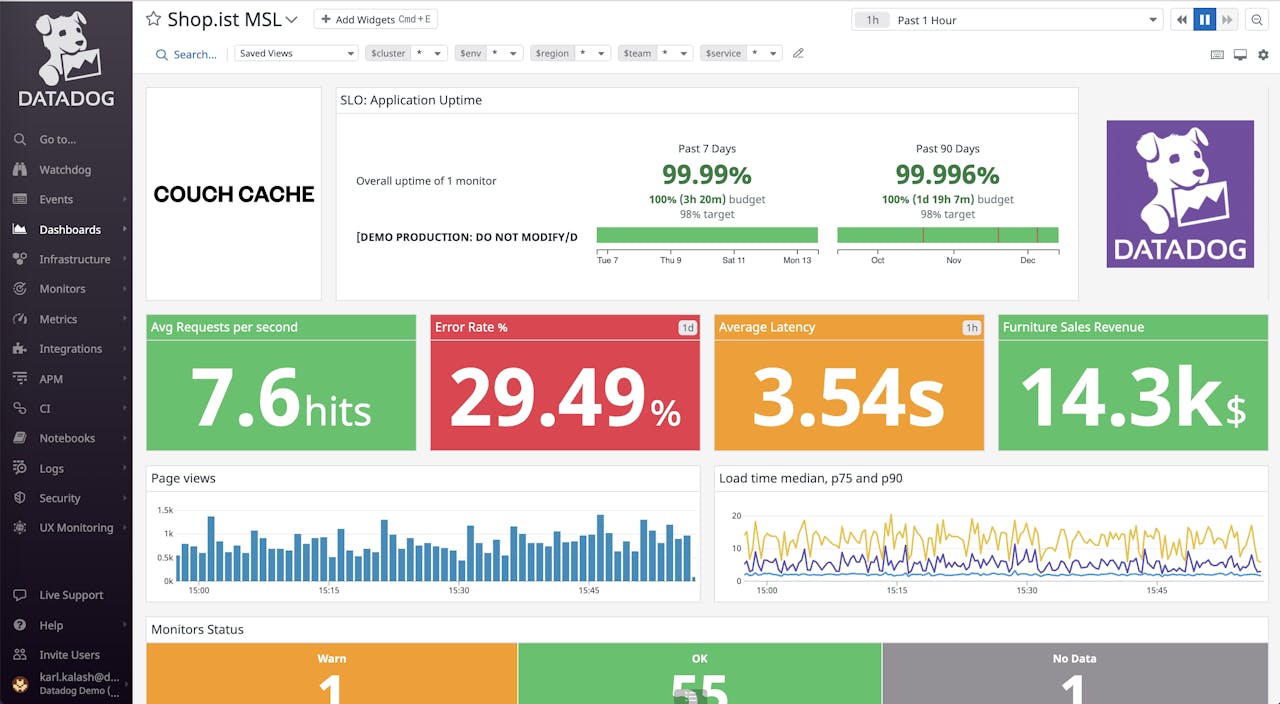
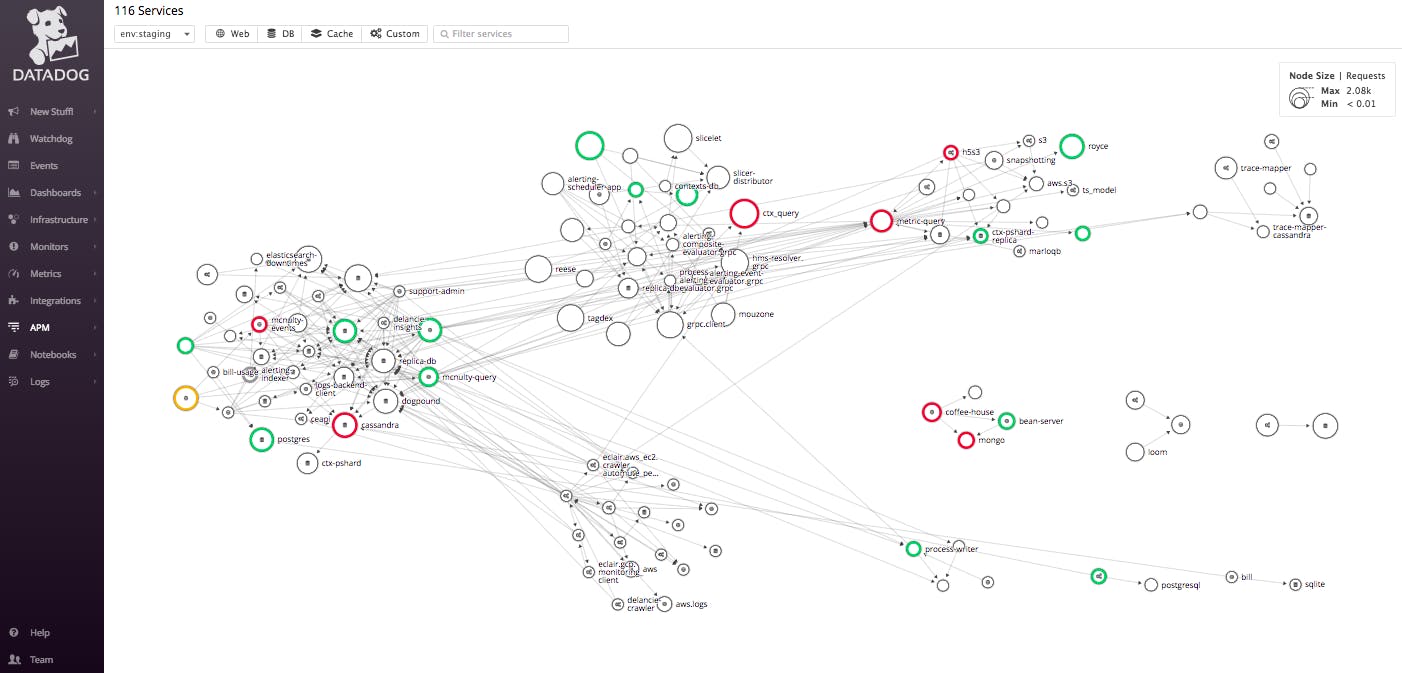
Datadog is a SaaS company focused on cloud monitoring, application performance and observability. Named among top SaaS players in 2025. (SaaStr)
Key impact: For businesses relying on cloud infrastructure and microservices, Datadog enables reliability, visibility and operational excellence.
🎯 Why These Matter for 2025 Businesses
- Scalability & Flexibility: All of these platforms allow businesses to scale operations quickly without massive infrastructure investments.
- Data-Driven Decision Making: Analytics, automation and AI features are built into many of these tools — enabling smarter decisions.
- Remote & Hybrid Work Ready: With distributed teams now standard, these SaaS tools support collaboration, productivity, and operations across geographies.
- Subscription & Monetization Models: Platforms like Stripe and Klaviyo help companies adopt modern business models (subscriptions, recurring revenue).
- Industry Relevance: Some are horizontal (CRM, productivity, finance), others target specific verticals (marketing, HR, infrastructure) — which reflects where opportunity lies in 2025.
✅ How to Use This List
- If you’re a business owner or startup: Evaluate which of these platforms align with your current bottlenecks (e.g., customer management, marketing, operations, data).
- If you’re an investor or watcher: These companies signal where innovation is happening in SaaS—look for adjacent or niche players in similar categories.
- If you’re a professional: Skills in these platforms (or those connected to them) will be in demand as organizations invest in SaaS transformation.
Leave a Reply