In 2025, cloud-hosting is no longer a fringe option for businesses—it’s the backbone of almost every digital operation. Whether you’re a startup launching your first app or an enterprise migrating legacy systems, choosing the right cloud hosting provider matters more than ever. With rising demands for scalability, AI workloads, global reach, reliability, and cost-efficiency, U.S. businesses require cloud partners that deliver on all fronts.
This article explores the leading cloud-hosting providers in the USA in 2025, highlights their strengths, and offers guidance on how to evaluate your choice.
What Makes a Great Cloud Hosting Provider in 2025?
Before diving into specific vendors, here are key criteria that businesses should use to assess cloud-hosting services:
- Scalability & Flexibility: The ability to scale compute, storage, network up or down instantly.
- Global / U.S. Infrastructure: Multiple regions, Availability Zones (AZs) in the USA, low latency, disaster recovery options.
- Security & Compliance: Certifications (HIPAA, PCI DSS, SOC 2), encryption at rest/in transit, identity & access management.
- Cost Transparency & Efficiency: Pay-as-you-go, reserved/spot pricing options, tools to monitor cost, avoid surprises.
- Ecosystem & Services: Marketplace, managed services, AI/ML support, serverless, container orchestration.
- Reliability & Uptime: High SLAs (99.9%+), strong track record of availability, effective support.
- Ease of Use & Integration: Developer tools, API access, hybrid cloud support, seamless migration.
Given those criteria, let’s look at the top cloud-hosting providers U.S. businesses are relying on in 2025.
Top Cloud Hosting Providers
1. Amazon Web Services (AWS)


Why it stands out:
AWS remains the dominant name in cloud hosting. It offers the most extensive service catalog, global infrastructure, and maturity in cloud operations. According to one comparative list, AWS occupies the top-spot among providers for 2025. (DoroApp)
What it offers U.S. businesses:
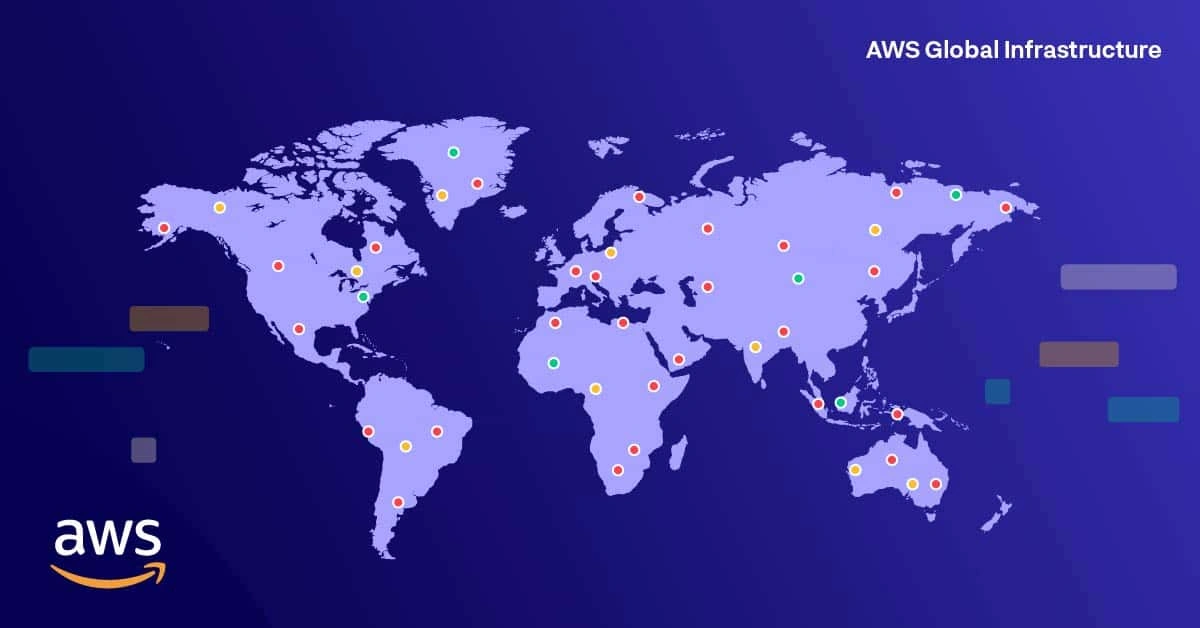
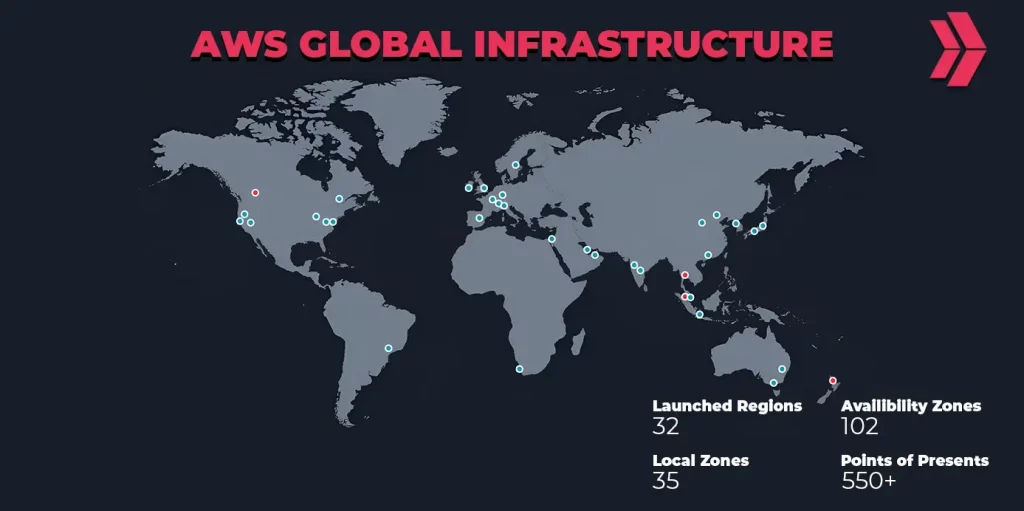
- Large number of U.S. regions/AZs for geo-redundancy and low latency.
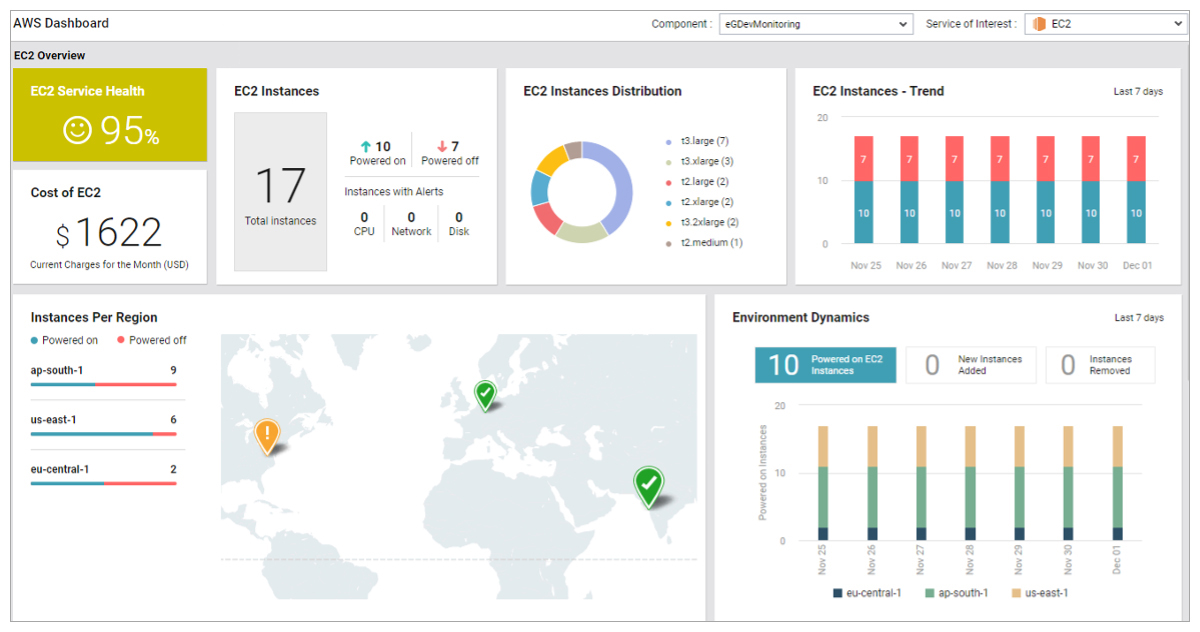
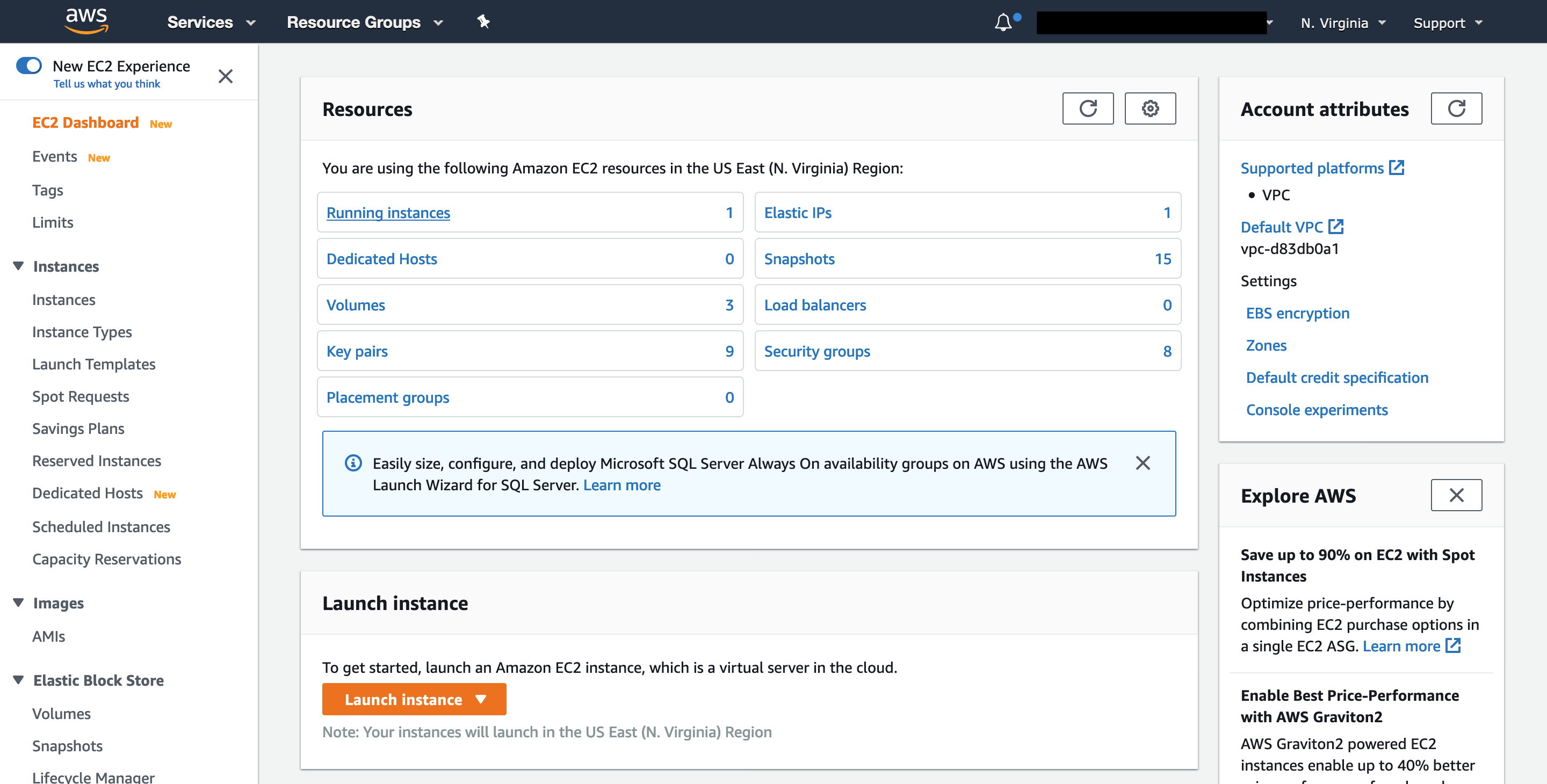
- Broad array of services: compute (EC2), storage (S3), containers (EKS), serverless (Lambda), ML/AI (SageMaker). (TechBloat)
- Pay-as-you-go pricing plus reserved / spot instances for savings.
- Strong ecosystem of partners, migrations, and enterprise-grade security.
Things to consider: - AWS can be complex for smaller businesses; steep learning curve.
- Cost control is critical—without monitoring, bills can ramp quickly.
Best for: Companies with growth aspirations, complex workloads, high scalability needs.
2. Microsoft Azure



Why it matters:
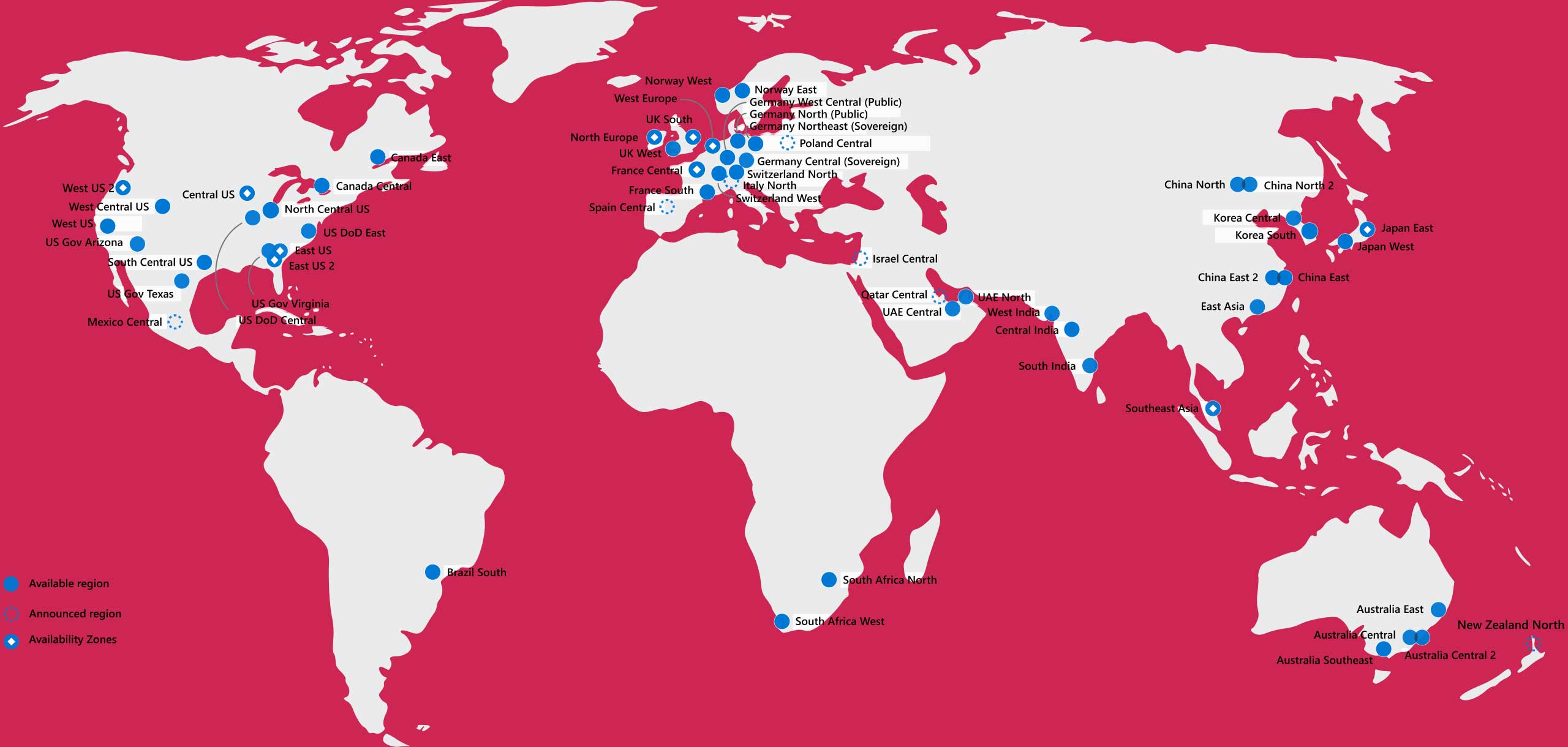
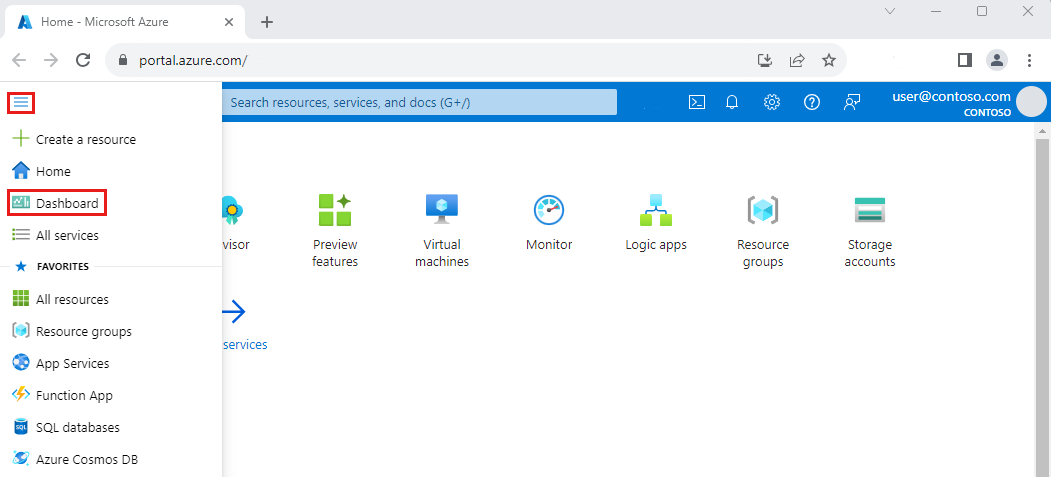
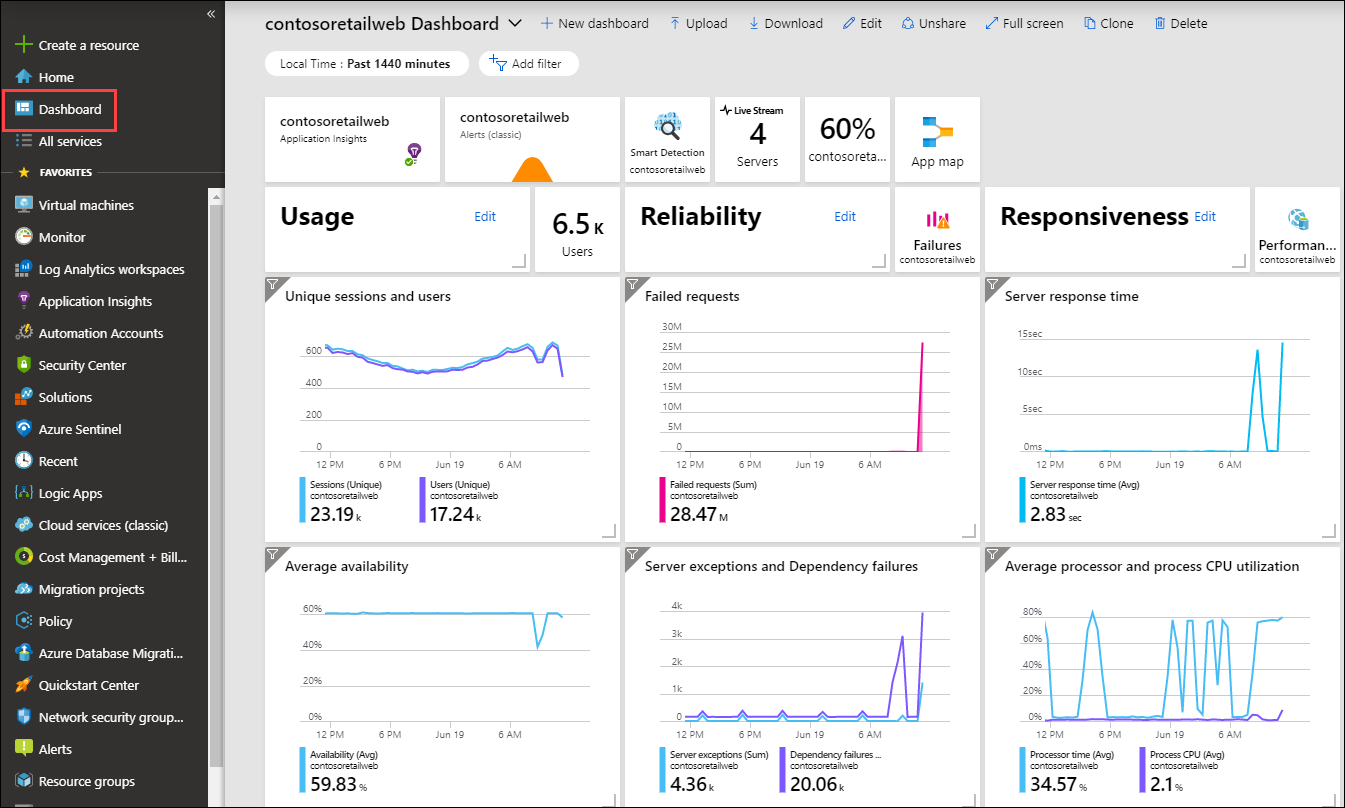
Azure has grown significantly and is particularly strong when it comes to hybrid cloud, integration with Microsoft productivity tools, and enterprise environments. Forbes/analyst commentary indicates strong cloud spend trends for Azure. (Barron’s)
What it offers U.S. businesses:
- Seamless integration with Windows Server, Active Directory, Office 365—advantageous for businesses already in the Microsoft ecosystem.
- Hybrid capabilities (Azure Arc, Azure Stack) to bridge on-premises and cloud. (jiWeb Technologies)
- Broad service catalogue, large U.S. presence, and strong compliance credentials.
Things to consider: - While very capable, Azure’s pricing and services are still complex; you’ll need governance.
- Best-fit for firms already using Microsoft stack.
Best for: Enterprises or mid-sized firms migrating from on-premises Microsoft infrastructure, or those needing hybrid cloud.
3. Google Cloud Platform (GCP)



Why it matters:
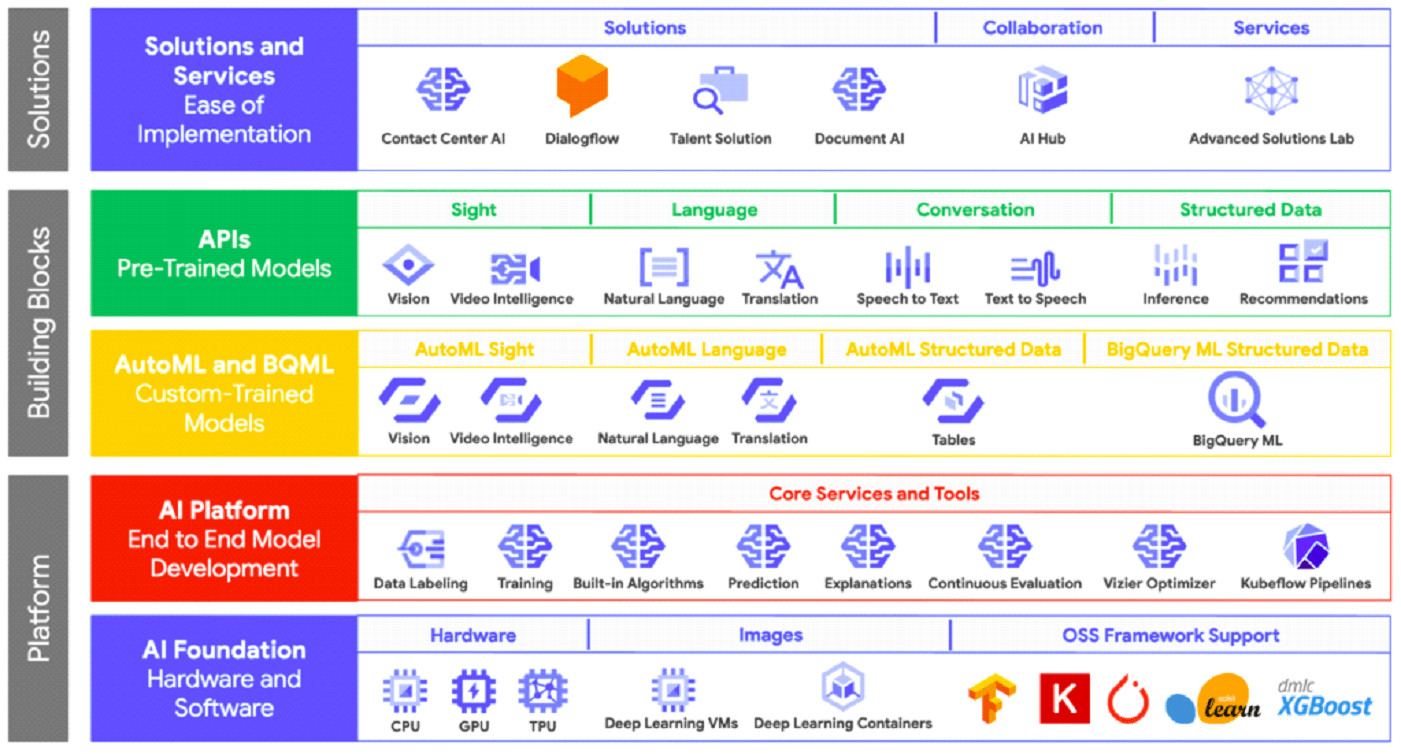
GCP is increasingly recognized for its AI/ML offerings, data analytics capabilities, and competitive infrastructure. Analysts mention it as one of the top cloud platforms in 2025. (Barron’s)
What it offers U.S. businesses:
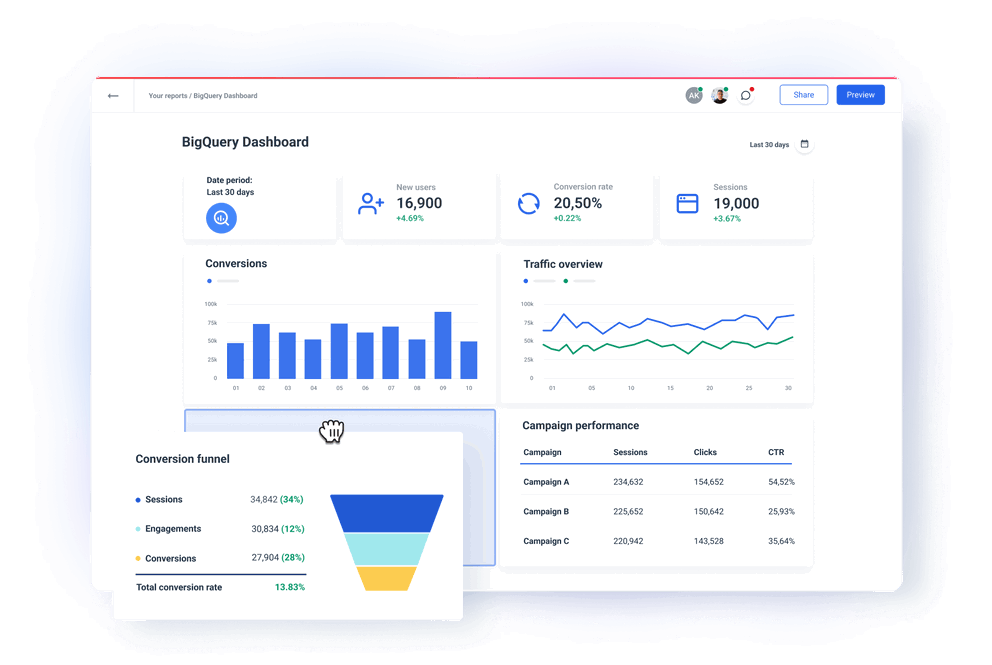
- Strong in data-driven workloads (e.g., BigQuery, TPU support).
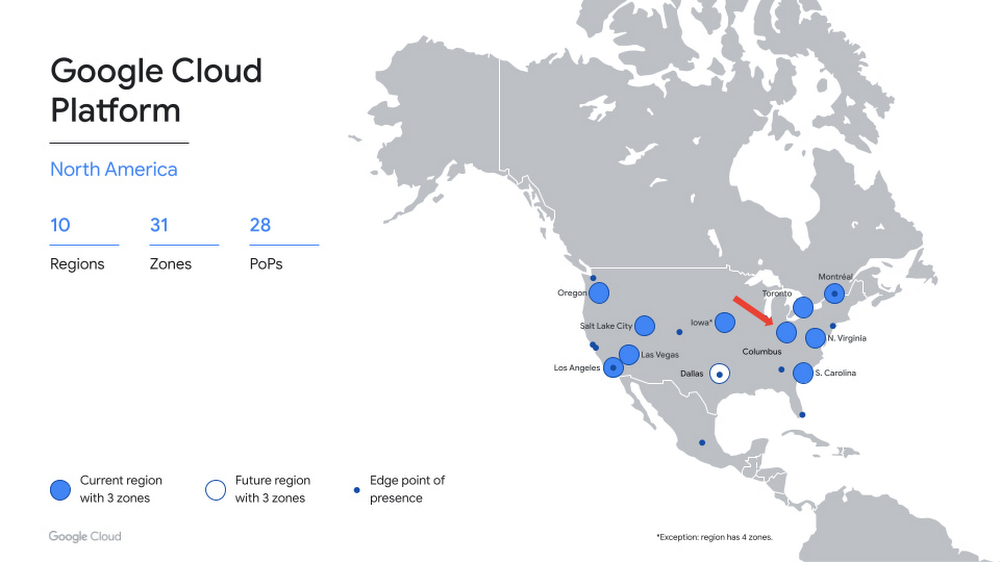
- Good U.S. regional presence and competitive pricing.
- Emphasis on sustainability and energy-efficient data centres.
Things to consider: - Fewer regions than AWS/Azure (though still comprehensive).
- May require stronger in-house data team to get full benefit.
Best for: Companies with big data, analytics, AI/ML initiatives; startups seeking cloud with strong machine learning support.
4. Oracle Cloud Infrastructure (OCI)



Why it’s notable:
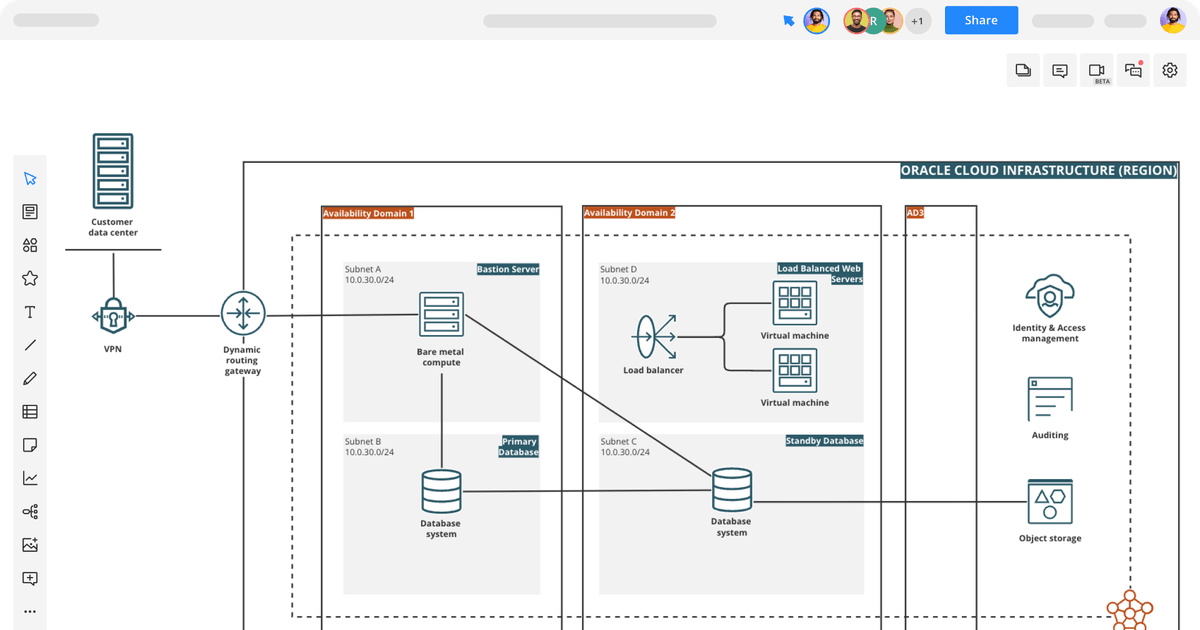
While not always the first provider considered, OCI is gaining traction in 2025—especially for enterprise applications, databases, and high-performance compute. For instance, one source cites growth barriers but increasing relevance. (Connectbit)
What it offers U.S. businesses:
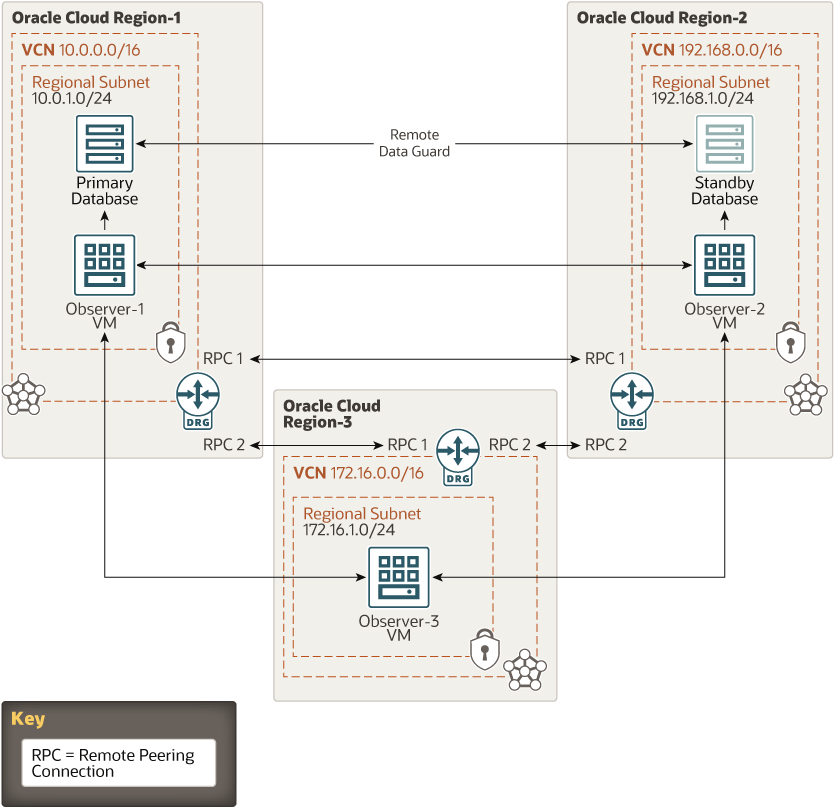
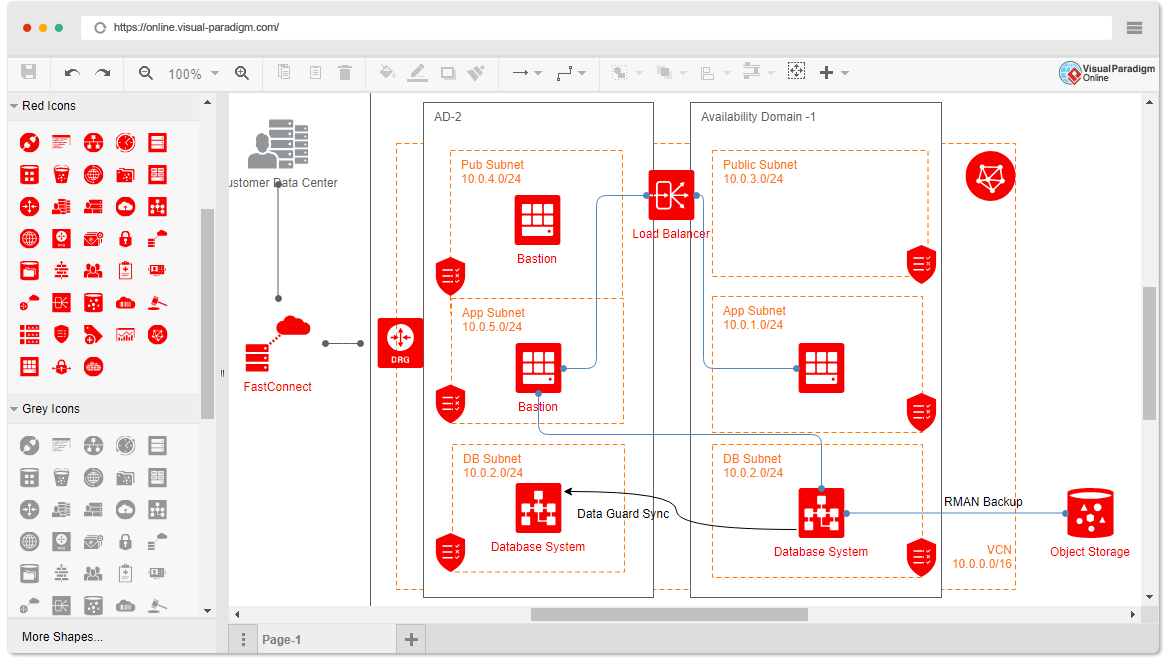
- Strong performance for workloads like ERP systems, large databases.
- Hybrid/cloud flexibility, bare-metal options, and enterprise focus.
- Good for businesses with large legacy Oracle-based infrastructure.
Things to consider: - Market share smaller than AWS/Azure, ecosystem less broad.
- Migration paths may need more planning if coming from other vendors.
Best for: Large enterprises, heavily database-oriented workloads, companies already using Oracle tech.
5. DigitalOcean




Why it stands out for smaller businesses:
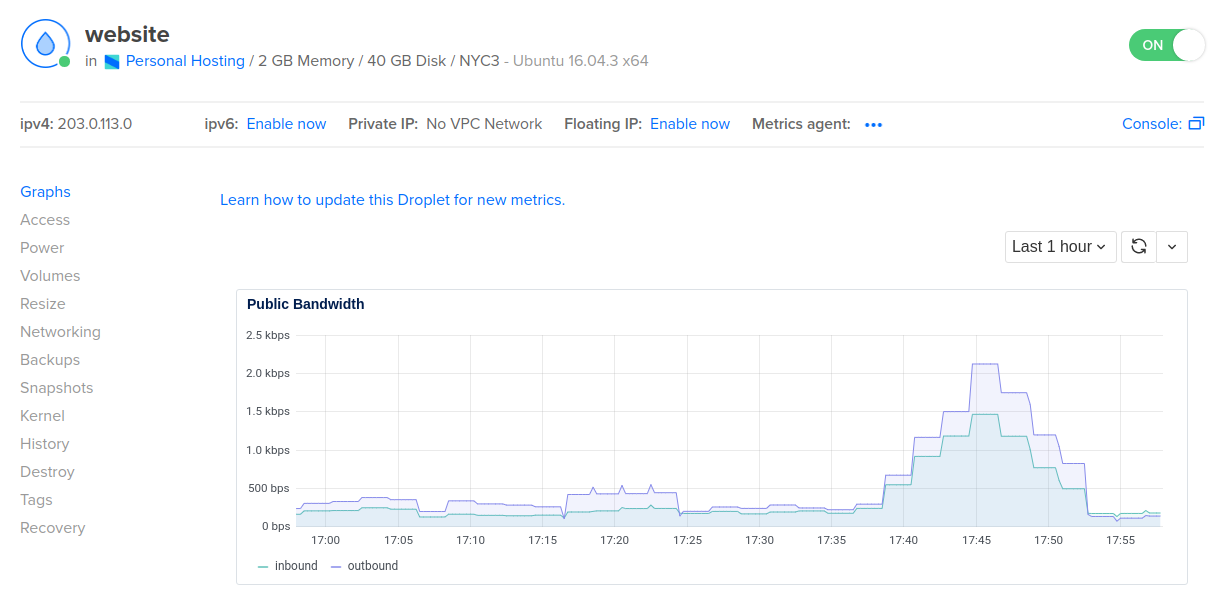
DigitalOcean offers a simpler, developer-friendly, cost-transparent cloud hosting option—making it ideal for startups or smaller teams. One list specifically highlights it as startup-friendly. (Fueler)
What it offers U.S. businesses:
- Predictable pricing, simple UI.
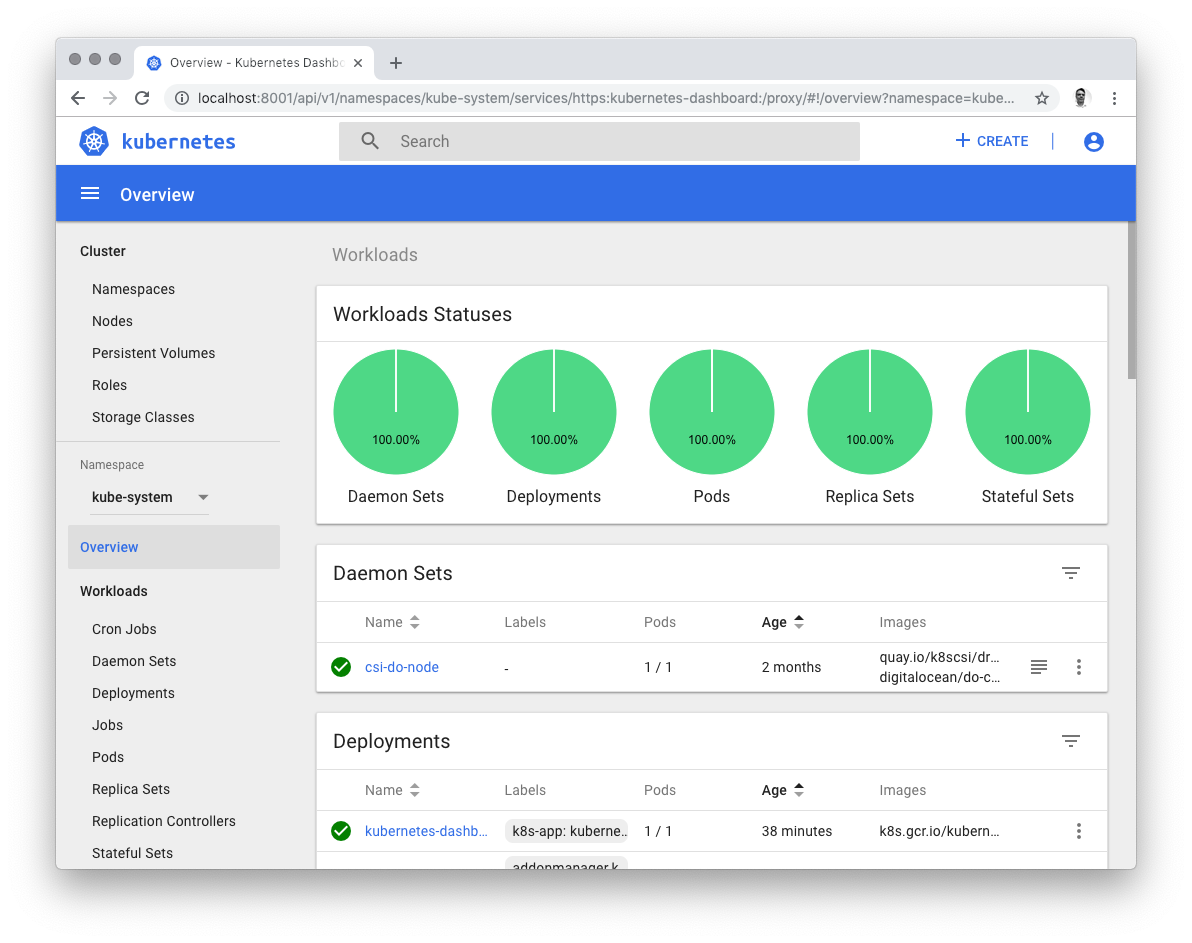
- Managed Kubernetes, managed databases, virtual servers (droplets).
- Transparent cost and less “noise” than larger platforms.
Things to consider: - While great for smaller/medium workloads, may lack some enterprise features of the larger providers.
- May require add-on services for advanced enterprise-grade capabilities.
Best for: Startups, small-to-mid businesses, developers launching projects or MVPs, cost-conscious teams.
6. Cloudways (Managed Cloud Hosting)




Why it’s useful:
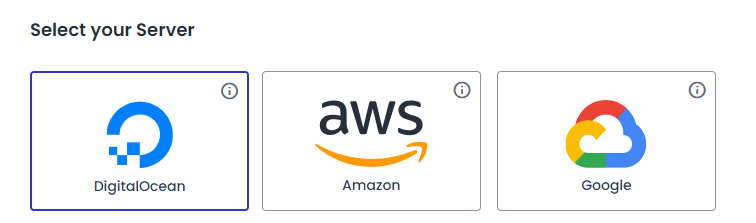
Cloudways is a managed hosting platform layering on top of underlying cloud infrastructure (e.g., AWS, GCP, DigitalOcean). It simplifies cloud hosting attacks for businesses that don’t want to manage all infrastructure themselves. (Trusted Tech Insights)
What it offers U.S. businesses:
- Choice of providers, simplified control panel, optimized for speed and ease.
- Less infrastructure overhead—ideal if you want focus on your app, not server management.
Things to consider: - Managed services may come at slightly higher cost per resource versus bare cloud provider.
- Customization may be more restricted.
Best for: Small businesses or agencies that host apps/sites, prefer managed operations, need quick time-to-value.
Other Notable Providers & Alternatives
- Vultr – high-performance affordable cloud VPS/instances, gaining traction for dev and small business. (Analytics Insight)
- Linode (now part of Akamai) – developer-friendly and budget-oriented. (Analytics Insight)
- IBM Cloud – focused on enterprise, hybrid cloud, AI-services. (Trusted Tech Insights)
Choosing the Right Provider for Your Business
Here are some practical steps to help pick the right cloud-hosting partner:
- Define your workload & growth plan: Are you running a website, analytics platform, enterprise ERP? Will you scale internationally?
- Evaluate region & latency needs: U.S.-only? Or global reach? Select providers with data centres in required regions.
- Assess cost structure & transparency: Look for providers with clear pricing, cost-management tools, reserved/spot options.
- Check compatibility & ecosystem: Use case for AI/ML? Big data? Microsoft integration? Choose accordingly.
- Security & compliance requirements: If you’re in regulated industry (healthcare, finance) you’ll need providers certified accordingly.
- Operational maturity & support: For mission-critical systems, pick vendors with strong SLA, support, guaranteed uptime.
- Hybrid & multi-cloud options: If you have on-premises infrastructure or want to avoid vendor lock-in, hybrid/cloud flexibility matters.
- Migration path & exit strategy: Understand how easily you can move workloads, export data, or change providers if needed.
2025 Trends Impacting Cloud Hosting
- AI workloads driving infrastructure change: Many providers are enhancing GPU, TPU, and AI-specific instance types.
- Serverless and containers becoming mainstream: Fewer businesses just using VMs; interest shifting to managed containers, Kubernetes, and serverless functions.
- Cost optimization in spotlight: With cloud bills rising, businesses leverage tools for cost visibility, auto-scaling down, reserved instances.
- Security & compliance growth: Cyber-threats and regulation push providers to offer advanced encryption, identity management, zero-trust, and compliance certifications.
- Sustainability and green cloud: Companies increasingly value providers with renewable energy, eco-friendly data centres and transparent carbon footprints.
Conclusion
For U.S. businesses in 2025, choosing the right cloud-hosting provider is a strategic decision—not just an IT one. Whether you’re a startup building an MVP or a large enterprise migrating to cloud, the providers listed above represent the current leaders in terms of capability, reliability, and innovation.
If you prioritise massive scale, global reach, and broad service options, go with AWS or Azure. If you focus on analytics, AI, or developer-friendly simplicity, GCP or DigitalOcean may be the right choice. If you prefer managed operations and less infrastructure overhead, platforms like Cloudways add value.
Your ideal choice depends on your specific needs, budget, and roadmap. The key is to align your cloud strategy with your business goals—and then select a partner who can grow with you.
Leave a Reply